
Empire’s End
2023
Bid wisely, endure calamity, and rebuild a civilization fit to rule.
60
minutes
Medium

View game

Rules made simple, fun made easy!
The 'Increase Value of Unchosen Resources' mechanic sweetens unpicked options by adding bonus goods, coins, or perks to them each round until a player finally claims them.
112 results
In games using this mechanism, choices left on the table do not just sit idle—they accumulate wealth. Every time a round passes and a particular action space, role card, or resource pool goes unselected, the game automatically adds compensation to it, turning previously ignored options into tempting targets.
This creates a dynamic push-and-pull at the table. It prevents uncompetitive options from stagnating, naturally balances sub-optimal moves, and forces players to constantly weigh sticking to their ideal plan against grabbing an overwhelmingly lucrative windfall.
Resources accumulate over time without player intervention.
57 gamesPlayers invest in resources, aiming to profit from price fluctuations.
270 gamesPlayers complete specific agreements for rewards.
555 gamesPlayers receive extra points or rewards based on specific conditions met by the end of the game.
938 gamesPlayers earn resources or currency periodically.
472 gamesPlayers allocate resources to generate future returns.
91 gamesPlayers control certain game elements, affecting strategy.
135 gamesPlayers periodically reset their progress while keeping accumulated points.
138 gamesPlayers buy and sell shares, influencing company value.
288 gamesPlayers unlock new abilities by progressing through a structured upgrade system.
244 gamesThis mechanism appeals to tacticians who love dynamic incentives, opportunity management, and watching board state values fluctuate in real time. It is especially popular among fans of economic puzzles and engine-building challenges. Most titles featuring this system sit in the moderate to moderately heavy complexity range, offering deep strategic trade-offs without burying players in overwhelming rules.
2023
Bid wisely, endure calamity, and rebuild a civilization fit to rule.
60
minutes
Medium
View game

2022
Grow crops, build infrastructure, and out-prosper your rivals in a changing Puerto Rico.
120
minutes
Medium Heavy

View game
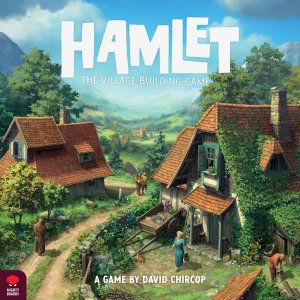
2022
Build a thriving village through organic tile placement and shared resources.
100
minutes
Medium
View game
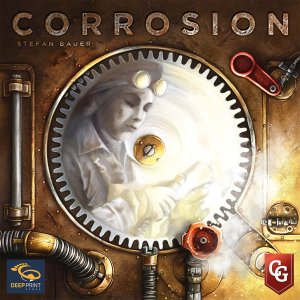
2021
Build production engines, manage rust, and turn time into points.
120
minutes
Medium Heavy
View game

2016
Build a pirate crew, gather Loot, and battle rival ships above the clouds.
45
minutes
Medium Light

View game

2022
A complete Agricola anniversary set packed with cards, tokens, and components
120
minutes
Medium Heavy
View game
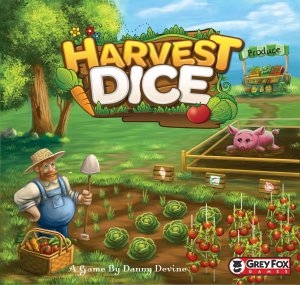
2017
Draft dice, doodle your garden, and watch the market.
30
minutes
Light

View game
2022
The Terra Mystica collection, gathered with expansions and bonus content.
150
minutes
Heavy

View game

2022
Build an interconnected North American ecosystem through careful card placement.
60
minutes
Medium
View game

2022
Buy marble, shape fortunes, and discover new scoring strategies
90
minutes
Medium
View game
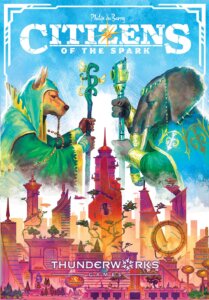
2025
Recruit animal allies, unlock powerful actions, and claim the most sparks.
60
minutes
Medium
View game

2018
Lead your tribe from unknown lands to the dawn of the Bronze Age.
45
minutes
Medium
View game

2011
Evolve bizarre creatures and survive a radically changing prehistoric world.
120
minutes
Medium Heavy
View game

2007
Catch valuable fish, grant wishes, and sell at the perfect moment.
40
minutes
Medium Light
View game

2017
A quick, mint-sized pick-up-and-deliver game of orders, upgrades, and scoring.
30
minutes
Medium Light
View game

2024
Build vibrant flowerbeds, guide your Bees, and maximize your garden's score.
40
minutes
Medium
View game

2017
Boast your way through a tense trick-taking contest.
30
minutes
Light
View game
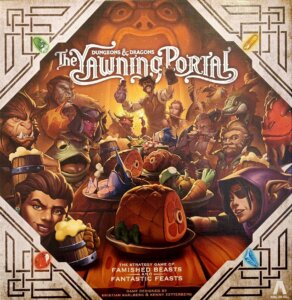
2023
Serve hungry heroes, match their orders, and shape the scoring
60
minutes
Medium
View game

2017
Lure cute critters with fireflies, but beware the wild ones!
30
minutes
Light
View game

2024
Build industries and infrastructure along a historic Brandenburg waterway.
45
minutes
Medium
View game
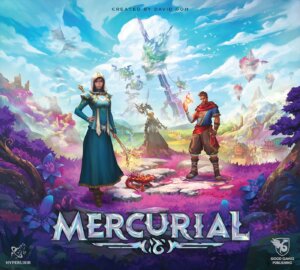
2023
Master volatile elements, craft powerful spells, and perform heroic deeds.
90
minutes
Medium Heavy
View game
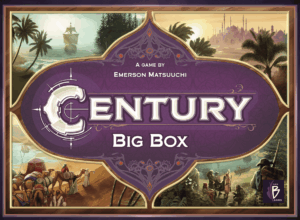
2023
Three Century titles, promos, and seven ways to combine them
45
minutes
Medium
View game

2025
Build a vibrant altar and honor loved ones through thoughtful card placement
60
minutes
Medium
View game

2020
A fast card duel of influence, intrigue, and the election of 1800
20
minutes
Medium
View game

2018
Expand beyond Mars with colonies, trade fleets, new cards, and corporations.
120
minutes
Medium
View expansion

2020
Face the Polar Invasion and discover the unfamiliar life of the Cold Waters.
60
minutes
Medium
View expansion

2022
A mirrored artistic puzzle with deeper strategy and flexible combinations.
30
minutes
Medium
View expansion
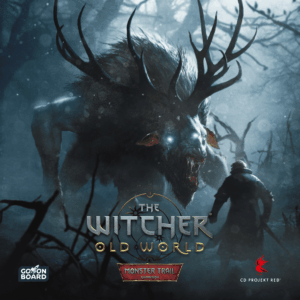
2023
Face unique monster attacks, build combos, and master the Manticore school.
150
minutes
Medium Heavy
View expansion

2023
Track a devastating monster and prepare for a legendary final battle.
150
minutes
Medium
View expansion

2023
200 adventure cards bring new stories, events, quests, and decisions.
150
minutes
Medium
View expansion

2023
Sail to new islands, face sea adventures, and awaken the ancient Dagon.
150
minutes
Medium
View expansion

2022
Paint from a new perspective with reversible cards and richer combinations.
30
minutes
Medium Light
View expansion
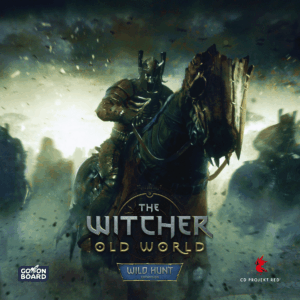
2023
Face the Wild Hunt together—or alone—in a desperate battle against Eredin.
150
minutes
Medium Heavy
View expansion
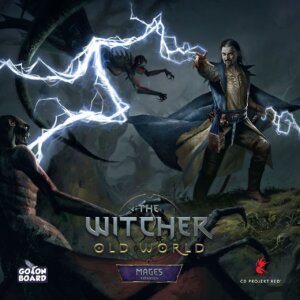
2023
Add five distinctive mages and a new way to compete in the Old World.
150
minutes
Medium
View expansion
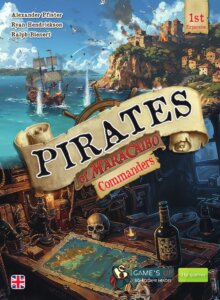
2024
Command notorious captains, arm your ship, and seek new riches across the Caribbean.
30
minutes
Medium Heavy
View expansion

2023
Complete masterpieces, frame your art, and compete for the gallery wall.
30
minutes
Medium
View expansion
This mechanic automatically adds bonus goods, coins, or perks to unselected actions or resource cards at the end of a round until someone picks them. When a player finally claims that ignored option, they collect both its standard action and all the accumulated rewards resting on it. This creates a shifting economy where neglected choices steadily become too profitable to ignore.
It provides an organic self-balancing system by continuously sweetening underused or situational actions until their payout matches or exceeds premier spaces. Rather than allowing a few dominant moves to dictate every round, the mechanism raises the opportunity cost of skipping neglected spaces. This keeps board play varied without requiring artificial round limits or rigid rules adjustments.
While auctions force players to spend their own capital bidding against opponents to set an item’s market value, this mechanic passively supplements unselected options via the game’s upkeep phase. Players do not bid downward to make an item cheaper; instead, the game accumulates free resources onto bypassed slots over time. The decision hinges entirely on opportunity cost and timing rather than outbidding rivals.
Beginners can easily learn this concept through approachable titles like Century: Spice Road and Canvas. Both games require players to drop resources onto skipped cards to reach options further down the track, leaving behind growing rewards for whoever drafts them later. These titles feature clear visual cues, simple rules, and finish comfortably in 30 to 45 minutes.
Yes, games like Harvest Dice and Century: Golem Edition are great for families and children ages 8 and up. In these lighter designs, watching bonus dice values grow or snagging gem-laden cards gives younger players an intuitive, exciting reason to explore different moves. Matches wrap up quickly within 15 to 45 minutes, keeping table engagement high.
Experienced hobbyists will find this dynamic driving deep engine builders like Puerto Rico and Agricola. In these heavier titles, unselected role cards accumulate doubloons or unvisited action spaces pile up food and building supplies each turn, rewarding flexible tacticians who can pivot. These designs offer intense timing battles and typically take between 90 and 150 minutes to play.
Yes, but it transforms from a distributed table economy into a direct, high-stakes game of chicken. Because any reward you pass up can only go to one opponent, deciding when to snatch an accumulating bonus becomes intensely tactical. A lighter title like Spots shines particularly well at 2 players, delivering brisk 25- to 30-minute sessions centered on timing your claims.
Yes, several titles featuring this system support dedicated solo modes, including Ark Nova and Canvas. In solo play, simulated upkeep steps or automated card-churn mechanisms step in to deposit bonus tokens or purge stale spaces. This forces solo players to manage shifting market priorities just as they would against live competitors.
The most common error is getting lured into taking a massive pile of goods that does not actually align with your scoring strategy. Snatching surplus resources you cannot quickly use or store wastes valuable turn tempo and can stall your engine. Successful players treat accumulated tokens as an added bonus, not an automatic reason to abandon their game plan.
The primary downside is the physical maintenance overhead required at the end of each round. Distributing individual coins or wooden tokens across multiple neglected board spaces can slow down game flow if players forget upkeep steps. It can also create an unintentional “distraction trap” for inexperienced players who chase large piles at the expense of sound long-term play.
Playtime varies significantly by complexity level, spanning from fast-paced card games to sprawling tactical epics. Micro-games like Forks: 2nd Edition play in as little as 5 to 15 minutes, whereas massive strategy games like Twilight Imperium: Fourth Edition demand 240 to 480 minutes. The vast majority of medium-weight board games with this feature take between 45 and 90 minutes.
