
Blue & Gray: Four American Civil War Battles
1975
Recreate four pivotal Civil War battles with hex-based tactical combat.
240
minutes
Medium

View game

Rules made simple, fun made easy!
Line of Sight is a spatial mechanic requiring an unblocked, straight visual path between two units or spaces before an attack, ability, or interaction can occur.
423 results
At its core, Line of Sight turns the physical layout of the game board into an active tactical puzzle. Instead of measuring only distance, players must evaluate whether terrain, obstacles, or other figures block the direct path between the active unit and its intended target. Solid walls, dense foliage, and opposing miniatures create blind spots and defensive pockets across the map.
This mechanic transforms movement from simple repositioning into a high-stakes tactical decision. Stepping into the open makes a unit vulnerable, while ducking behind cover protects against incoming fire. Because positioning dictates which actions are even legal, players must balance aggressive firing angles against the risk of exposing their own forces to counterattacks.
Cards determine battle outcomes.
321 gamesRandomized chance for extreme success or failure.
110 gamesPlayers can be removed from the game before it ends.
791 gamesA cyclic balance where one action beats another.
119 gamesActions succeed or fail based on character stats.
341 gamesThe game ends immediately when a condition is met.
148 gamesThis mechanic best suits tactical planners and competitive thinkers who enjoy spatial puzzles and direct confrontation. Because the overwhelming majority of titles featuring sightline checks fall in the medium to medium-heavy weight bracket, they appeal to hobbyists willing to navigate precise geometric rules and positional trade-offs rather than casual groups seeking breezy, low-overhead turns.
1975
Recreate four pivotal Civil War battles with hex-based tactical combat.
240
minutes
Medium
View game
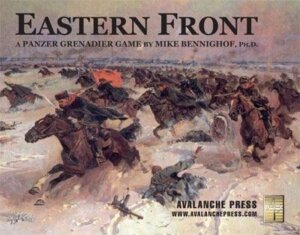
2005
112 scenarios, expanded armies, and revised Panzer Grenadier rules
120
minutes
Medium
View game
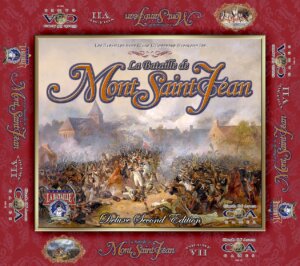
1993
A detailed 1993 battle game covering Mont Saint Jean, Quatre Bras, and Ligny.
360
minutes
Heavy

View game
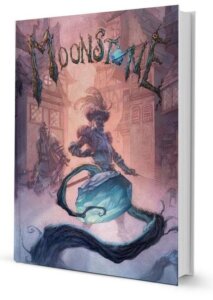
2016
Lead fairy-tale troupes into a frantic hunt for precious Moonstones.
120
minutes
Medium
View game

2025
Command infantry in card-driven World War II battles across Europe and the Mediterranean.
180
minutes
Medium Heavy

View game
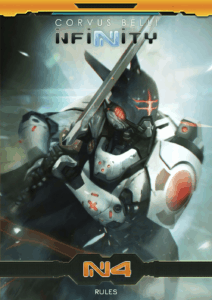
2020
Lead elite troopers through fast, lethal near-future covert operations.
120
minutes
Heavy
View game

2016
Command squads, armor, and heroes through tense Vietnam War scenarios.
240
minutes
Medium
View game
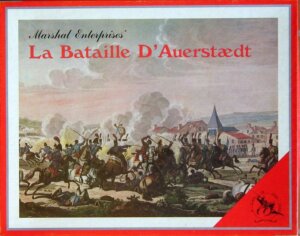
1977
A detailed Napoleonic simulation of Davout’s hard-fought 1806 victory
480
minutes
Medium Heavy
View game
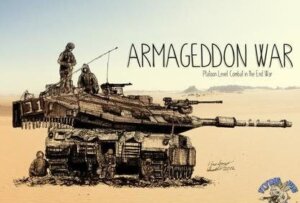
2018
Platoon-level combat with continuous activations in a near-future end war.
240
minutes
Medium Heavy
View game
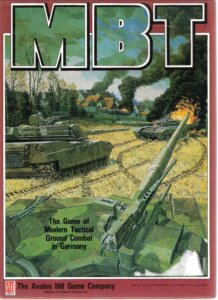
1989
Command modern combined-arms forces in detailed hex-and-counter warfare.
240
minutes
Medium Heavy
View game

1984
Command squads, equipment, and tactics across modern wars
60
minutes
Medium Heavy
View game
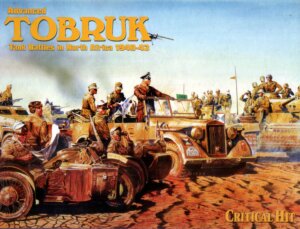
2002
Recreate tactical tank battles across the North African campaign.
180
minutes
Heavy
View game

2015
Command fantasy warbands where magic, monsters, and battlefield orders collide.
60
minutes
Medium Light

View game
2014
Command medieval armies in fast, dice-driven skirmish battles
240
minutes
Medium
View game
2012
Test French defenses, command Allied assaults, and relive two 1745 battles.
360
minutes
Heavy
View game

1989
A detailed 15mm Napoleonic miniatures wargame of command, combat, and morale.
360
minutes
Medium Heavy
View game

2015
Lead desperate troops through twelve intense Pacific firefights.
240
minutes
Medium Heavy
View game

2017
Build a safe haven for endangered animals through clever worker placement.
60
minutes
Medium Heavy
View game
2005
Command a hard-fought clash through fog, vineyards, and burning streets
360
minutes
Medium Heavy
View game
1978
Recreate Napoleon’s epic winter battle in a detailed historical wargame.
360
minutes
Medium Heavy
View game
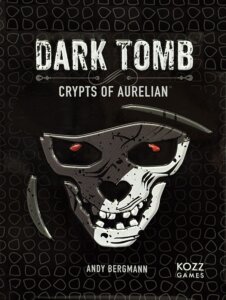
2023
Explore a randomized tomb, battle monsters, and conquer three dangerous chambers.
50
minutes
Medium Light
View game
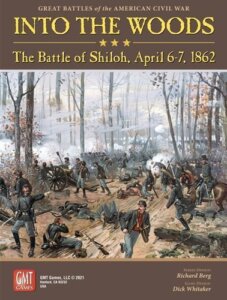
2022
A chaotic regimental-level simulation of Shiloh’s opening two days
480
minutes
Heavy
View game
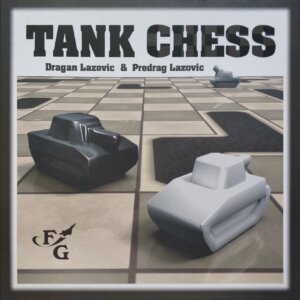
2016
Command armored forces, exploit flanks, and outmaneuver the enemy.
50
minutes
Medium
View game
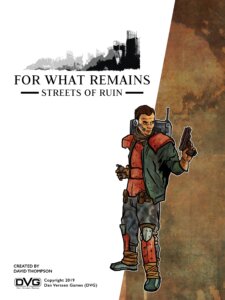
2020
Post-apocalyptic skirmishes where objectives matter more than simple combat.
45
minutes
Medium
View game
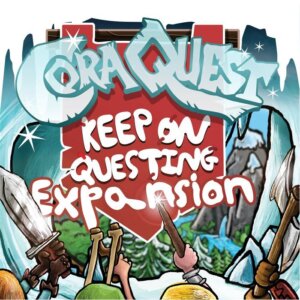
2023
Add campaigns, character progression, and new dungeon content to every quest.
60
minutes
Medium Heavy
View expansion
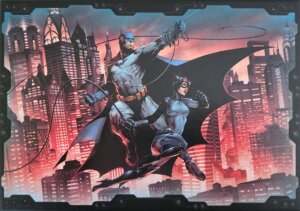
2023
Take on Gotham’s missions with AI-driven solo or cooperative play.
90
minutes
Medium
View expansion
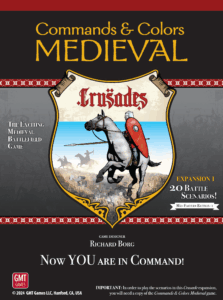
2024
Command Crusader armies through pivotal battles of the early Crusades.
120
minutes
Medium
View expansion
2025
Add boarding pirates, tactical sponsors, and a dangerous BlackHole to the Arena.
15
minutes
Medium Light
View expansion
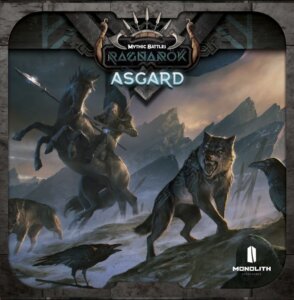
2023
Defend Asgard and uncover the truth behind a prophecy gone wrong.
90
minutes
View expansion
2025
Pink space birds, bouncing beams, and an upside-down battle in the Arena.
15
minutes
Medium Light
View expansion
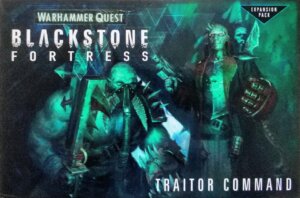
2019
Stop a Chaos ritual deep within the fortress
180
minutes
View expansion
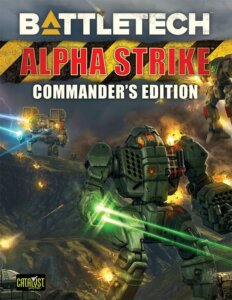
2019
Command BattleMechs and lead massive battles across distant worlds.
480
minutes
Medium
View expansion
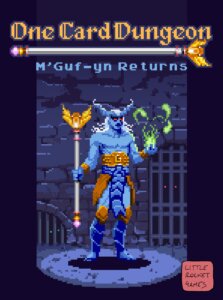
2023
Face new commanders, claim treasures, and confront M’Guf-yn himself.
60
minutes
View expansion
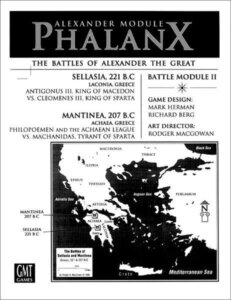
1998
Two late Successor Wars battles showcase the phalanx at its height.
240
minutes
Medium Heavy
View expansion
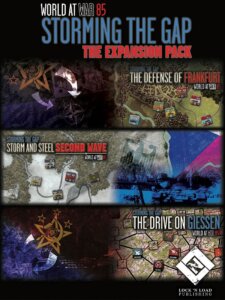
2019
Three complete modules expand the Storming the Gap experience.
120
minutes
Medium Heavy
View expansion
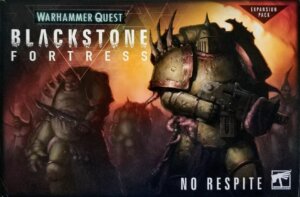
2020
Stop Nurgle's spreading rot across the Blackstone Fortress
180
minutes
View expansion
Line of Sight is a spatial rule requiring an unobstructed visual path between two spaces or miniatures before an attack or action can be resolved. While a target may be within weapon range, terrain features, walls, or intervening figures can block that path and prevent targeting. This mechanic turns physical map positioning into a tactical puzzle where cover and viewing angles determine survival.
Attack range measures the numerical distance between two points, while Line of Sight determines whether an unblocked path actually connects them. A target might easily sit within your figure’s maximum reach, but behind a solid wall or obstacle that blocks visual contact. Both conditions must usually be satisfied simultaneously before you can declare a legal ranged attack.
For players new to sightline rules, games that simplify geometry into clear board spaces are the easiest starting point. In Unmatched: Battle of Legends, Volume One, sightlines are streamlined through colored board zones, letting ranged fighters target anyone sharing their color without contentious measurements. Another accessible option is Kill Doctor Lucky, where players track clear sightlines room to room through open doorways while plotting attacks in 45 minutes.
Yes, Line of Sight is exceptionally well-suited for two players because it creates direct, cat-and-mouse tactical tension. Head-to-head duels like Unmatched: Cobble & Fog and the compact card-placement game BOO are built around two-player play where every move counters your rival’s firing lanes. With only one adversary to monitor, turns move rapidly and positional outmaneuvering takes center stage.
Yes, solo players have dedicated options where sightlines govern automated enemy behavior or survival puzzles. For example, Ghosts of the Jungle: A Solitaire Wargame is designed strictly for a single player navigating tactical jungle skirmishes in 15 to 40 minutes. Cooperative campaign games like Gloomhaven: Jaws of the Lion also support solo play, using precise hex-based sightline rules to run monster targeting reliably.
Board games resolve sightlines either through geometric grid checks or direct physical measurement. Grid and hex systems typically require tracing a mental or straight line between the centers or corners of spaces to see if an obstacle interrupts it. Miniature-heavy skirmish games often rely on physical aids such as straightedge rulers, taut string, or handheld lasers to check clear visual paths from base to base.
Experienced hobbyists looking for exhaustive spatial realism often turn to legendary tactical simulations like Advanced Squad Leader, which accounts for crest lines, multi-story buildings, smoke, and blind hexes. For fantasy and sci-fi dungeon crawlers, Gloomhaven and Star Wars: Imperial Assault offer demanding, high-stakes tactical grid combat where sightline verification is central to every encounter.
Blocked sight prevents an interaction entirely, whereas defensive cover allows the attack while granting the defender a protective bonus. An impenetrable obstacle like a solid masonry wall completely severs Line of Sight, making targeting illegal. In contrast, partial obstacles such as low barricades, trees, or corner edges often maintain a legal sightline while applying defense dice bonuses or accuracy penalties.
The most common tactical error is stepping into the open to take a shot without planning for incoming counterattacks. Because sightlines almost always work both ways, gaining a clear view of an opponent usually means they will have an equally clear shot at your unit on their turn. Experienced players practice peek-and-shoot movement, ending turns behind solid barriers or within defensive cover whenever possible.
They can be a great fit for families when the game relies on intuitive board zones rather than contentious millimeter measurements. Titles such as Unmatched: Battle of Legends, Volume One (ages 9 and up) and Fearsome Floors (ages 10 and up) make line checks straightforward through clear zones or monster line-of-vision tracks. These rules foster spatial reasoning and tactical forward-planning without getting bogged down in line-of-sight arguments.
Game length varies significantly depending on complexity and scope. Fast-playing tactical titles like Light Speed: Arena can resolve frantic sightline battles in just 5 to 15 minutes. On the other end of the spectrum, expansive tactical games like Descent: Journeys in the Dark (Second Edition) typically take around 120 minutes per scenario as players calculate careful movements and firing angles.
