18Svea
2022
Build Sweden’s rail network and outmaneuver rivals in a swift 18XX game.
120
minutes
Medium Heavy

View game

Rules made simple, fun made easy!
Tile Placement is a mechanic where players lay flat, rigid pieces onto a playing area to build a shared map, expand personal boards, or trigger immediate spatial rewards. The placement of each piece alters the board state, creating physical patterns, connections, or scoring conditions.
2,369 results
At its core, Tile Placement turns the game board into an evolving puzzle. Instead of moving pieces across a static surface, players actively construct the landscape round by round. Every piece placed defines territories, opens new pathways, or establishes adjacencies that determine resource yields and point opportunities.
This mechanic shifts the strategic focus toward spatial awareness and forward planning. Players must weigh the immediate benefits of laying a piece against how that placement might block opponents, invite unwanted competition, or set up future turns across a dynamic tabletop layout.
Players physically flick pieces to move them.
91 gamesPlayers cover or control grid spaces.
210 gamesPlayers move their pieces on a grid.
2,336 gamesThe game board is composed of hexagonal spaces, allowing for multi-directional movement.
2,297 gamesMultiple game elements interact in a stacked fashion.
212 gamesPlayers use a set number of points to move.
616 gamesPlayers create specific patterns to score points.
985 gamesPlayers identify and respond to visual or logical patterns.
335 gamesPlayers collect and transport goods to different locations.
727 gamesPlayers move between fixed locations on a map or board.
1,107 gamesPieces are slid or pushed across the board.
71 gamesPlayers progress along a track.
578 gamesPlayers progress along a predefined track, often gaining rewards or triggering events.
289 gamesTile placement games appeal to visual thinkers, casual families, and strategic planners alike. Most titles using this system land firmly in the accessible medium-weight range, offering meaningful decisions without overwhelming rulesets, though lighter gateway designs and intensely tight economic heavyweights also exist across the genre.
2022
Build Sweden’s rail network and outmaneuver rivals in a swift 18XX game.
120
minutes
Medium Heavy
View game
2014
Explore, build, and battle across a world shaped by your tile placements.
90
minutes
Medium

View game
2017
Survive the outbreak, explore new maps, and outscore rival survivors.
120
minutes
Medium
View game

2016
Step into Vienna’s glamorous gala nights and elegant dance floors.
30
minutes
Medium Light

View game
2023
Draft routes, build your ski map, and chase one epic final run.
15
minutes
Medium Light
View game
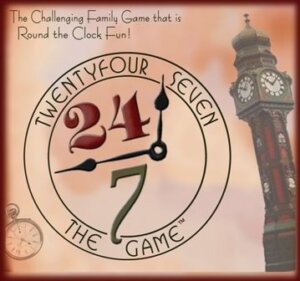
2006
Build runs, sets, and sums of 24 or 7 while outmaneuvering your rivals.
20
minutes
Medium Light
View game
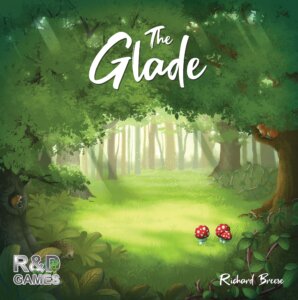
2023
Build forest sets, claim toadstools, and unlock extra actions in the glade.
60
minutes
Medium
View game
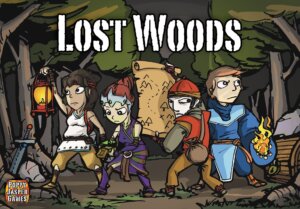
2015
Explore the woods, defeat enemies, and race for the most gold.
60
minutes
Medium Light
View game

1986
Build a trading empire, outmaneuver rivals, and escape Shanghai rich.
300
minutes
Medium
View game
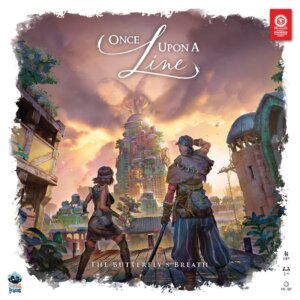
2024
Scratch, solve, and uncover a personalized quest against cosmic tragedy.
180
minutes
Medium
View game
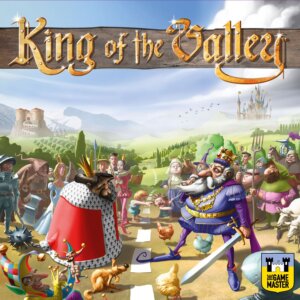
2021
Build influence, gather gold, and outmaneuver rival kings to claim the crown.
60
minutes
Medium
View game
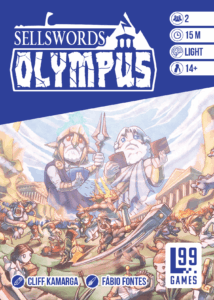
2017
Draft mythical warriors, capture enemy units, and outflank your rival.
15
minutes
Medium
View game
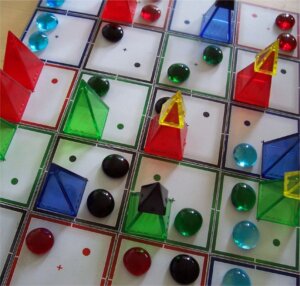
2002
Build a futuristic city where every tower’s location shapes its value.
40
minutes
Medium Heavy
View game
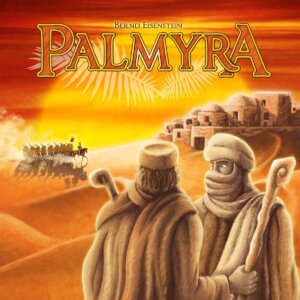
2013
Lay tiles, gather taxes, and outmaneuver rivals for Caesar's favor.
45
minutes
Medium
View game
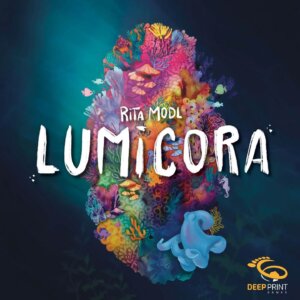
2024
Build a colorful three-dimensional coral reef through clever planning and timing.
60
minutes
Medium
View game
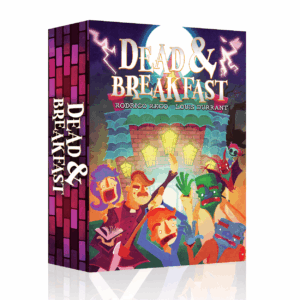
2018
Build a haunted hotel, welcome doomed guests, and outscore rival hoteliers.
40
minutes
Medium Light
View game
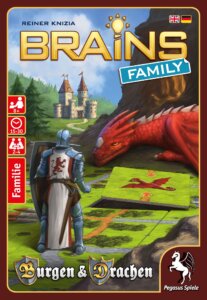
2018
Race to place tiles, guide your knight, and conquer castles and dragons.
30
minutes
Light

View game
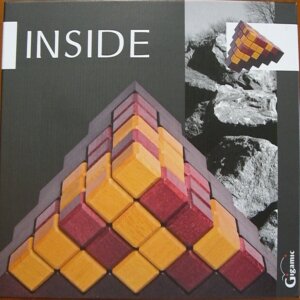
2007
Build a pyramid, outthink your opponent, and control at least two faces.
10
minutes
Medium
View game
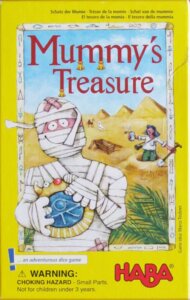
2009
Roll for Egyptian treasures, claim matching tiles, and fill your excavation site.
10
minutes
Light
View game
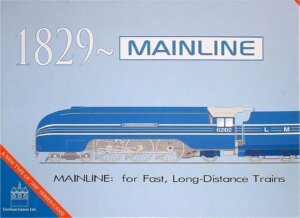
2005
Build your portfolio from chance, then fight to keep control.
240
minutes
Medium Heavy
View game
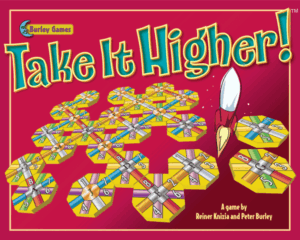
2009
Build octagonal lines, chase silver and gold bonuses, and launch matching rockets.
25
minutes
Medium
View game
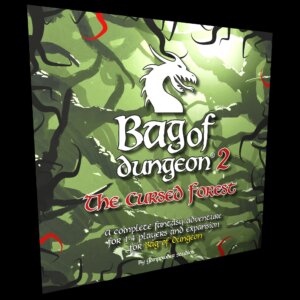
2022
Build a cursed forest, battle monsters, and seek the ancient Maiden Tree.
120
minutes
Medium Light
View game

2022
Place wisely, gather resources, build your influence, and claim the throne.
60
minutes
Medium
View game
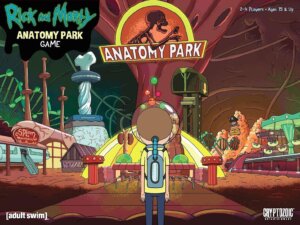
2017
Build a bizarre body-bound theme park while dodging monstrous diseases.
60
minutes
Medium
View game
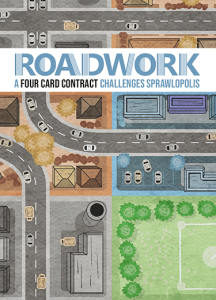
2023
Add challenging road cards and keep your city moving.
20
minutes
Light
View expansion
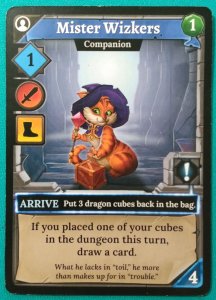
2024
A versatile Companion that rewards dungeon placement with an extra card.
90
minutes
Medium
View expansion
2011
Four classic Carcassonne expansions gathered in one 2011 compilation
Medium
View expansion
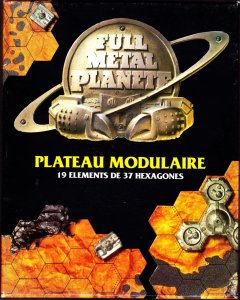
1989
Build a new Full Metal Planete sector from 19 modular terrain elements.
120
minutes
Medium Heavy
View expansion
2019
Team up, plan your ascent, and keep your flag planted at the Summit.
150
minutes
Medium
View expansion
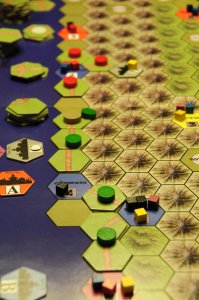
2008
Three distinctive 2008 expansions featuring gold, floods, pyramids, and new victories.
120
minutes
Medium Heavy
View expansion
2023
Manage gambles to activate powerful unit traits at the right moment.
30
minutes
Medium Heavy
View expansion
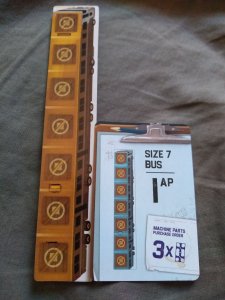
2020
Expand your facility with a wild Rainbow Splitter and the massive BUS.
Medium
View expansion
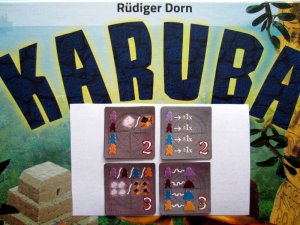
2015
Claim bonus tiles by racing to collect treasure, build routes, and move adventurers.
Medium
View expansion
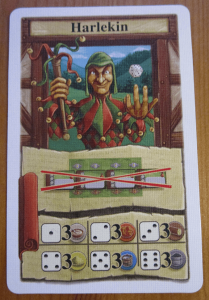
2015
A solo specialist card with a late-game surprise and a die-rolled resource boost.
Medium Heavy
View expansion
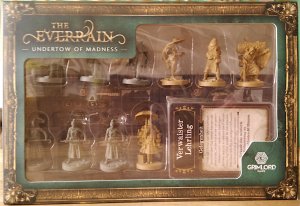
2022
New crew, enemies, and cards bring an undertow of madness
240
minutes
View expansion
2017
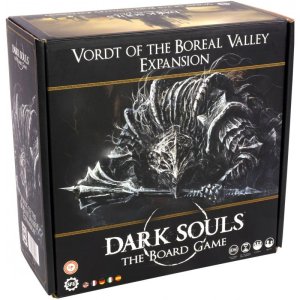
Face a terrifying mega boss and endure larger battles in Lothric.
View expansion
Tile placement is a mechanic where players position flat, rigid cardboard, wood, or plastic pieces onto a table or board to build a game environment. Each placed tile alters the playing area, forming connected networks, claiming land, or triggering spatial scoring conditions. Unlike games with fixed boards, these layouts evolve dynamically turn by turn.
The key difference lies in when and why pieces are positioned during the game. A modular board is typically assembled before play begins to create a unique starting map that remains mostly static. In contrast, true tile placement requires players to position tiles actively during their turns as a core strategic decision, such as matching terrain edges in Carcassonne.
Beginners should start with accessible titles featuring intuitive matching rules and short runtimes. Kingdomino is an ideal starting point, playing in 15 to 25 minutes for ages 8 and up with straightforward domino-style drafting. Another fantastic entry is Cascadia, which combines drafting wildlife and habitat tiles in approachable 30- to 45-minute sessions.
Yes, tile placement games often excel at two players because spatial planning becomes a tighter, more direct contest. Dedicated two-player designs like Patchwork play smoothly in 15 to 30 minutes with zero downtime. Similarly, classic spatial duels like Hive focus entirely on placing and shifting insect tiles to surround the opposing queen.
Many modern tile placement titles include dedicated solo modes that challenge you to optimize layouts against high-score targets or survival goals. In Cascadia, solo players can tackle structured spatial scenarios and achieve target scores. For an intensely challenging, heavy experience, Robinson Crusoe: Adventures on the Cursed Island supports 1 to 4 players and is rated best as a solo adventure.
Family-friendly tile placement games use clear visual cues instead of dense reading, making them approachable for younger minds. In Karuba, players race to lay paths across their jungle grids simultaneously, offering simple rules for ages 8 and up in 30 to 40 minutes. Games like Tsuro also let up to 8 players lay path tiles in fast 15- to 20-minute sessions.
Yes, complex games integrate tile placement into broader economic or engine-building frameworks. In Terraforming Mars, placing ocean, greenery, and city tiles directly alters global parameters and territorial bonuses across two hours. For an even heavier logistical challenge, On Mars requires intricate building placement to develop planetary infrastructure over 90 to 150 minutes.
Playtime varies widely depending on whether tile laying is the primary puzzle or part of a heavier strategy engine. Lightweight titles like Bananagrams or Escape: The Curse of the Temple finish in 10 to 15 minutes. Medium-weight favorites such as Azul last around 30 to 45 minutes, while deep, heavy experiences can run well past two hours.
Shared-map games feature players laying tiles into a common central area, which creates direct interaction, route blocking, and territory fights. Personal-board games give each player an individual grid where they assemble their own layout without direct spatial interference. For example, The Castles of Burgundy has players draft tiles from a shared pool to complete personal estates.
Prioritize keeping your placement options open by avoiding dead ends and awkward gaps early in the game. Look for placements that satisfy multiple scoring criteria at once, such as connecting matching borders while claiming bonus spaces. Finally, stay mindful of table space and draft displays so you do not leave prime opportunities that let your opponents complete valuable territories.
The biggest trap is falling into analysis paralysis by attempting to evaluate every possible tile orientation and location. Overcommitting to a massive, hard-to-complete territory can also leave you with zero points if you run out of turns or valid matching tiles. Lastly, watch your physical play area early, as sprawling shared maps can unexpectedly push pieces off standard table edges.
