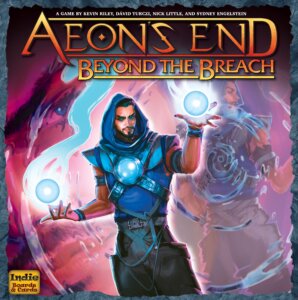
Aeon’s End: Beyond the Breach
2026
Face a new nemesis tier and earn treasures in the Fight Five.
60
minutes
Medium Heavy

View game
Rules made simple, fun made easy!
Variable Phase Order is a mechanic where the sequence of game phases changes from round to round rather than following a strict, fixed checklist. The order is typically determined dynamically by player choices, card draws, or game events.
509 results
In standard board games, rounds follow a predictable rhythm: players gather resources, move units, fight, and reset in the exact same sequence every time. Games with Variable Phase Order shatter that predictability by rearranging, skipping, or selecting phases as the game unfolds, forcing everyone to adapt their plans continuously.
This shifting structure matters at the table because it introduces deep tactical timing. When you cannot guarantee that production will precede movement, or that combat will happen before scoring, you must prepare contingencies and pay close attention to which phase is triggered next.
This mechanic primarily appeals to strategy enthusiasts and hobby gamers who relish adaptation over rigid, scripted execution. Titles using it tend to fall firmly in the medium to medium-heavy complexity range, making them ideal for groups comfortable with layered decision-making, though casual or very light game nights might find the shifting turn structure disorienting.
2026
Face a new nemesis tier and earn treasures in the Fight Five.
60
minutes
Medium Heavy
View game

2013
Command, ambush, and Indian warfare collide in a tense 150-minute battle game.
150
minutes
Medium

View game

2016
Unmask the witches before Salem's fear tears the village apart.
180
minutes
Medium
View game
2017
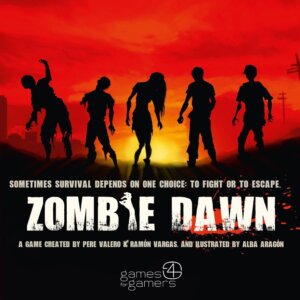
Survive the outbreak, explore new maps, and outscore rival survivors.
120
minutes
Medium
View game

1994
Four major battles, one campaign, and tense LIM-driven command play.
300
minutes
Medium Heavy
View game

2024
See beyond the veil, gather resources, and drive away ancient Specters.
60
minutes
Medium
View game
2013
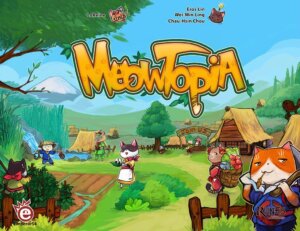
Lead a herd of cats as you mine, farm, build, and compete for points.
30
minutes
Medium
View game

2009
Command an empire, navigate politics, and conquer planets across a ruthless future.
120
minutes
Medium Heavy
View game

2011
Find the Chosen One, compose the song, and outrun Ragnarök.
90
minutes
Medium
View game
2017
Move influence, sway the Community, and lock in points for your Faction.
45
minutes
Medium
View game

2011
Shape Arctic policy, control mineral deposits, and outmaneuver rival companies.
120
minutes
Medium Heavy
View game
2018
An asymmetric nano-game of rebellion and Roman occupation in Britannia
60
minutes
Medium
View game
2023
Schedule risky medical spectacles and chase fame in a bizarre age of medicine.
75
minutes
Medium
View game
2008
Shape Rome’s rise, command rival peoples, and survive seven turbulent turns.
180
minutes
Medium
View game
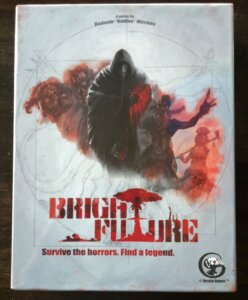
2015
Survive a ruined world through cooperative missions and tactical card battles.
120
minutes
Medium
View game
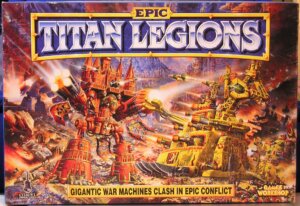
1994
Command colossal Titans and Gargants in a battle of Epic-scale destruction.
240
minutes
Medium
View game

2011
Build mines, towns, and railroads in a ruthless desert stock market.
240
minutes
Medium Heavy
View game
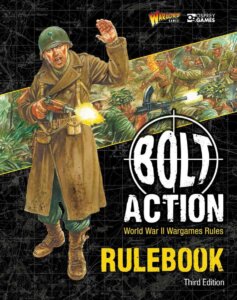
2024
Command platoons and shape the battle with flexible World War II tactics.
120
minutes
Medium
View game

2003
Secret masks, magical cards, and chaotic battles for control of a fantasy world.
90
minutes
Medium
View game
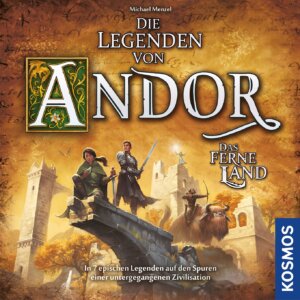
2025
Face seven new legends and unpredictable enemy movements together.
90
minutes
Medium Heavy
View game
2020
Cooperate to liberate a post-apocalyptic city from extraterrestrial occupiers.
120
minutes
Medium
View game
2013
Build a city, choose your character, and compete for glory through cards.
60
minutes
Medium
View game
2019
Brew potions, spread ruin, and flee the Inquisition.
120
minutes
Medium Heavy
View game
2002
Command a WWII company through card-driven infantry and armour combat
120
minutes
Medium
View game
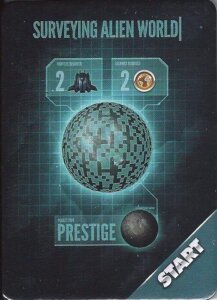
2013
A 2013 bonus pack adding scenarios, planets, and an alternate victory condition.
60
minutes
Medium
View expansion
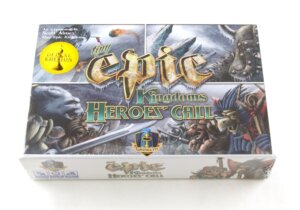
2016
Raise heroes, build towering kingdoms, and battle across frozen wastelands.
60
minutes
Medium
View expansion
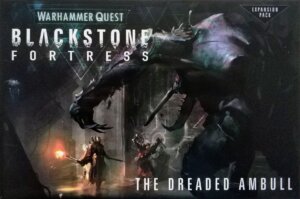
2019
Hunt a legendary xenos monster in a fully fledged Blackstone Fortress side-quest.
180
minutes
Medium
View expansion
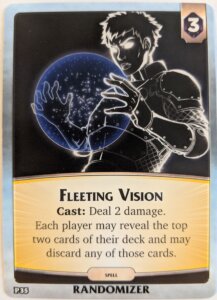
2018
A two-damage Cast lets every player reveal and discard from their deck.
60
minutes
Medium Heavy
View expansion
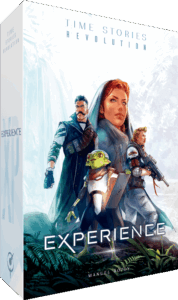
2020
Deepen the lore and personalize your journey through the TIME Stories universe
180
minutes
Medium Heavy
View expansion
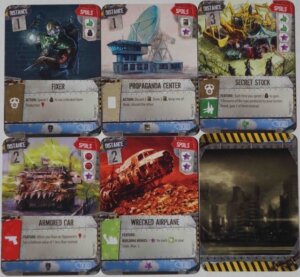
2017
Five new location cards add fresh options to the 51st State Master Set.
View expansion
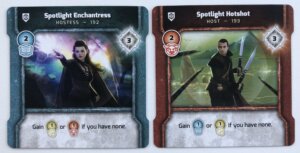
2019
Two promotional Companions offering conditional inspiration, strength, or knowledge.
150
minutes
Medium Heavy
View expansion

2004
A dark subterranean threat turns the hunters into prey.
120
minutes
Medium Heavy
View expansion
2019
A 46-card collection of treasures, gems, relics, and spells.
60
minutes
Medium Heavy
View expansion
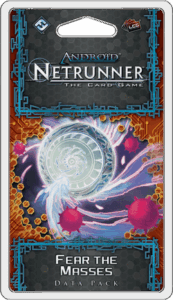
2016
A climactic election showdown packed with powerful NBN and Anarch cards.
45
minutes
View expansion
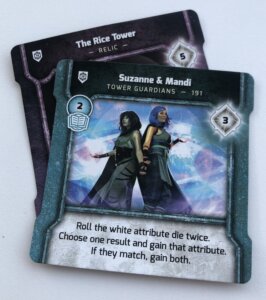
2019
Two Kickstarter promo cards with distinctive influence and attribute effects
150
minutes
Medium Heavy
View expansion

2018
Strengthen your galactic empire through politics, clout, and shared agendas.
60
minutes
Medium
View expansion
Variable Phase Order means that the sequence of steps making up a game round changes, skips, or is selected dynamically rather than following a static checklist. Instead of everyone automatically producing, moving, and scoring in that exact pattern every turn, player actions or card reveals dictate which phases occur and in what sequence. This forces players to adapt their strategies round by round instead of relying on a predictable routine.
Turn order dictates who acts next, while phase order determines what procedural activity happens next. In many games, turn order shifts based on bidding or score, but the sequence of steps—such as gathering resources, moving, and fighting—remains unchanged. With Variable Phase Order, entire stages of a round can occur out of standard sequence or be omitted completely depending on table choices.
It can work well for families, provided you stick to lighter titles with intuitive card-driven structures. Games such as Dream Home (ages 7 and up) and Roar-a-Saurus (designed for ages 8 and up) keep procedural shifts straightforward and quick to resolve in 15 to 30 minutes. Heavier phase-selection titles are often too demanding for casual groups, as mistiming a phase can derail a player’s strategy.
A welcoming starting point is Pyramido, an accessible Medium Light title for ages 8 and up that plays in about 45 minutes. Another light, fast-paced option is Diner, which takes roughly 15 minutes and clearly demonstrates how shifting action availability alters player priorities. Both games introduce shifting round dynamics without burdening players with complex rules overhead.
Yes, variable phase sequences can create exceptionally sharp head-to-head play at two players. In dedicated two-player games like Jekyll vs. Hyde, manipulating sequence shifts creates direct psychological tension in 30-minute matches. Meanwhile, medium-weight titles like Race for the Galaxy often feature specialized two-player rules where each participant selects multiple phases, speeding up engine development.
Yes, many games featuring this mechanic include dedicated solo modes where an automated system or card deck triggers the phases. For example, cooperative and solo-capable titles like Aeon’s End and strategy games like Carnegie support single-player setups. In these games, you must stay flexible and build a resilient engine that functions well even when the automated system triggers phases out of your preferred order.
The key strategy is anticipating what your opponents need and piggybacking off their phase choices while starving them of value from yours. If you can trigger a phase right when you are fully prepared and your rivals lack the resources to exploit it, you gain a massive efficiency lead. Conversely, relying exclusively on your own phase picks to get things done will make your engine far too slow to compete.
The most common mistake is assuming that a specific phase will inevitably occur before the round ends. Inexperienced players often hoard resources to construct a building or sell goods, only for no one to choose that phase, leaving valuable assets stranded. Successful play requires building contingencies so that you can still derive benefit even if a preferred phase is skipped or delayed.
Complex strategy games rely on variable phase sequences to prevent matches from devolving into repetitive, scripted openings. In grand titles like Twilight Imperium: Fourth Edition (which runs 240 to 480 minutes), selecting strategy cards dictates the operational flow and forces table-wide timing dilemmas. Similarly, heavy designs like On Mars challenge players to plan intricate multi-step turns where action windows shift based on shifting board locations.
Game length spans a wide spectrum depending on overall complexity, from 15-minute card games to multi-hour epics. Lighter games like Antidote wrap up in 20 to 30 minutes, whereas mid-weight phase-selection titles like San Juan typically take between 45 and 60 minutes. Deep economic and civilization designs can comfortably extend past the two-hour mark.
Most games use physical phase cards, role tiles, or tracking tokens placed in the center of the table to display the active sequence. Once players secretly select or publicly draft their choices, the chosen tiles are arranged in standard resolution order, leaving skipped phases aside. As each phase resolves, the active marker advances along the row, keeping everyone aligned on the current step before resetting for the next round.