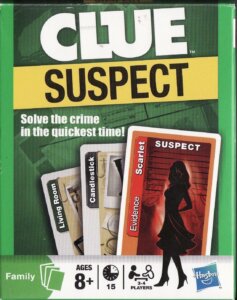
Clue: Card Game
2010
Ask clever questions and solve the crime in minutes.
15
minutes
Light

View game

Rules made simple, fun made easy!
The memory mechanic requires players to retain previously revealed or hidden information to make optimal tactical and strategic decisions. It shifts focus from purely visible board states to cognitive recall, rewarding players who track shifting components and past actions.
639 results
At its core, the memory mechanic introduces temporary visibility into a game. Crucial elements—such as face-down cards, concealed tokens, or past discards—are exposed briefly before disappearing from plain sight. Instead of relying entirely on calculated planning with open information, players must construct a mental map of what lies where and update it as the game state evolves.
This dynamic transforms player interaction and table tension. When key assets are shrouded in secrecy, every reveal commands complete attention from the entire group. A sharp recall lets you seize scoring opportunities or avoid traps, while moments of doubt inject genuine suspense into otherwise straightforward decisions.
Elements of the game may favor certain choices or players.
69 gamesPlayers use logic to solve hidden information.
537 gamesPlayer movements are concealed from opponents.
133 gamesPlayers’ scores are not revealed until the end.
149 gamesPlayers place units in secret locations.
571 gamesGames driven by memory overwhelmingly lean toward light to medium-light complexity, making them naturally accessible for families, casual tables, and party settings. They work exceptionally well for mixed-age groups where direct cognitive challenges bridge the experience gap between beginners and hobby veterans. While deeper, heavier strategy titles occasionally incorporate small memory elements, the mechanic is best suited for players who enjoy snappy play, shared tension, and testing their natural powers of observation without getting bogged down in dense systems.
2010
Ask clever questions and solve the crime in minutes.
15
minutes
Light
View game
2024
Think alike, match answers, and score big across six wild rounds.
25
minutes
Light
View game
2010
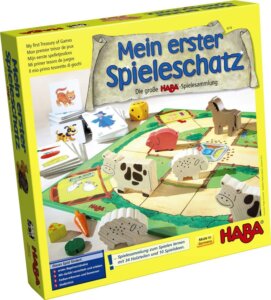
Ten easy family games for memory, colors, cooperation, and fun
5
minutes
Light
View game
2018
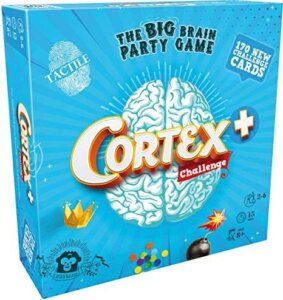
Put memory, cognition, and sensory perception to the test.
15
minutes
Light
View game
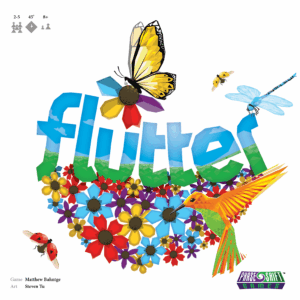
2024
Match petals, nurture pollinators, and build a vibrant meadow.
45
minutes
Medium

View game
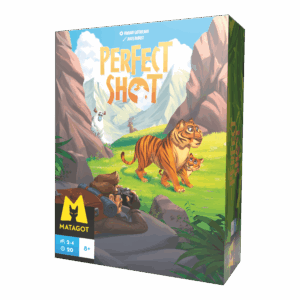
2022
Frame clever wildlife photos, complete albums, and chase the elusive Yeti.
30
minutes
Light
View game
2012
Track dangerous quests, expose betrayal, and save Camelot together.
20
minutes
Medium Light

View game

2023
Stack plates, collect matching sushi, and stay alert for the Wasabi Challenge.
75
minutes
Medium Light
View game

2021
Unravel a deadly mystery through 32 clues and a final team theory.
60
minutes
Light
View game
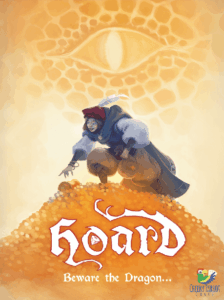
2014
Outwit rivals, collect treasure, and decide when to wake the dragon.
45
minutes
Light
View game
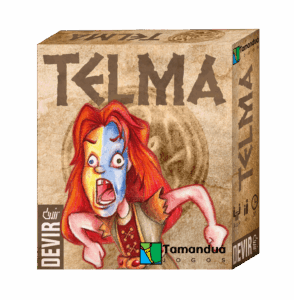
2017
Spot matching cards, shout nicknames, and shed your hand before anyone else.
20
minutes
Light
View game
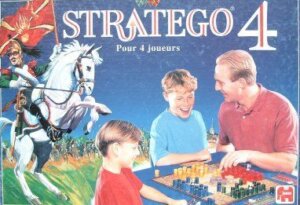
1995
Secret armies, hidden plans, and a race to capture the central fortress.
45
minutes
Medium Light
View game
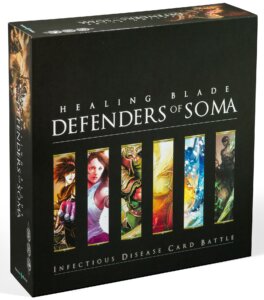
2016
Outwit bacterial threats with strategic antibiotic defense.
45
minutes
Medium
View game

2024
A three-round charades challenge where every clue can pay off later.
60
minutes
Light
View game
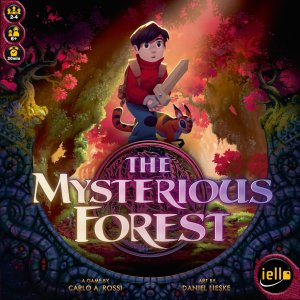
2016
Memorize the path, pack wisely, and guide Jonas through a magical forest.
25
minutes
Light
View game

2022
Follow the clues and unravel a mysterious family death.
60
minutes
Light
View game
2015
Race through rotating gates in a tense abstract strategy game.
30
minutes
Medium
View game
2014
Build your army, seize strategic forts, and outmaneuver your rival.
60
minutes
Medium
View game
2016
Dodge Simon’s attention, avoid Blame, and try not to be fed last.
25
minutes
Light
View game

2020
Outwit rival animal spirits in a primal contest for supremacy.
30
minutes
Medium Light
View game
2010
Capture the highest-scoring bugs before your rivals can swat them!
30
minutes
Light
View game
2022
Build the pairs others are thinking of—and score when your choices match.
45
minutes
Light
View game
2015
Bluff, investigate, and survive suspicion in a witch-hunting micro game.
15
minutes
Light
View game
2025
Tear paper, complete quests, and score the most points in 10 minutes.
10
minutes
Light
View game

2018
Outsmart Doc, seize his respect, and stop the bot from becoming richest.
60
minutes
Medium
View expansion

2018
Team up against a swift, poison-arrow bandit with a deadly winning condition.
60
minutes
Medium
View expansion

2024
Seek shelter in dangerous caves after a devastating earthquake.
60
minutes
Medium Heavy

View expansion
2004
Expand the ghostly race for 5–6 players with a trapping bottle and longer board.
15
minutes
Light
View expansion

2016
More titles, more clues, and three rounds of fast-paced recall.
60
minutes
Light
View expansion

2016
Add fresh titles and replay the three-round guessing challenge.
60
minutes
Light
View expansion

2015
Add the Jester role and a disruptive new card-exchange action to Coup.
20
minutes
Light
View expansion
2013
Bring four Robert E. Howard heroes and villains to The Duke
30
minutes
Medium Heavy
View expansion

2016
Add more titles and fresh three-round guessing challenges to your game.
60
minutes
Light
View expansion
2020
Add animal tokens and compete to collect the most of one type.
30
minutes
Medium
View expansion
2020
Add five new starting options with bonuses and varied value distribution.
60
minutes
Medium
View expansion

2018
Trace the road, avoid repeating its lengths, and score every tile reached.
120
minutes
View expansion
The memory mechanic requires players to retain temporarily revealed or hidden information to make tactical and strategic decisions. Instead of keeping all components visible on the board, the game briefly exposes elements before concealing or rearranging them. Players who track and remember what was shown gain an advantage when claiming objectives, avoiding traps, or identifying secret assets.
The key difference is that memory mechanics deal with information that was previously visible before being concealed or shifted, whereas general hidden information may never be shown at all. In a pure hidden information system, an opponent’s cards or identity might remain completely secret until played. With memory mechanics, items are briefly shown—such as notes deduced in Clue or cards clued in Hanabi—forcing players to construct and update an ongoing mental record.
Great introductory memory games pair light cognitive demands with simple rules and quick play times. For example, Survive: Escape from Atlantis! asks players to remember the hidden point values printed under their swimmers as they race to safety. Another approachable option is Coup, which delivers fast 15-minute rounds where players must remember past claims, challenges, and discarded role cards.
Yes, memory mechanisms often work exceptionally well at two players because mental tracking feels direct, tense, and intimate. In Codenames: Duet, which is designed specifically for 2 players, partners must remember previous clues and avoid deadly assassin spaces over a 15-to-30-minute session. Similarly, Letters from Whitechapel plays best with 2, demanding that the investigating player recall past patrol clues to predict Jack the Ripper’s hidden escape route.
Yes, advanced strategy titles sometimes incorporate memory to reward players who track historical turns and hidden commitments. In Tragedy Looper, a 120-minute medium-heavy game, players must memorize events and card placements from previous time loops to solve unfolding mysteries. In A Game of Thrones, secret order tokens placed face-down mean that remembering an opponent’s military habits and discarded combat cards can determine the fate of a multi-hour battle.
Many memory games are very accessible for children aged 8 and up because visual recall provides an even playing field between kids and adults. Games such as Kingdomino and Hanabi have an official minimum age of 8 and rely on intuitive visual components. However, games featuring deep deception or social deduction, like The Resistance, carry a minimum age of 13 and suit older groups better.
Play times range from brisk 15-minute fillers to intensive two-hour strategic puzzles. Light party and word games such as Codenames and Codenames: Pictures typically wrap up in about 15 minutes. By contrast, complex puzzle-driven titles like Escape the Room: The Cursed Dollhouse demand up to 120 minutes of sustained memory and deduction.
Yes, memory is an integral component of many cooperative games where teammates must synchronize hidden information without breaking communication limits. In Hanabi, players hold their cards facing outward and must mentally retain every color and number hint shared by their teammates. In Paleo, players explore the wilderness together and succeed by remembering which card backs hid dangerous predators or helpful resources during previous scouting attempts.
The most effective strategy is chunking information into memorable patterns rather than trying to memorize every board element simultaneously. In games with hidden action programming like Colt Express, tracking only the highest-threat actions played inside dark tunnels protects you from costly surprises. Prioritizing one or two critical targets keeps your cognitive load manageable and reduces mistakes.
The most common mistake is second-guessing your own memory and falling into severe analysis paralysis. When players hesitate over uncertain mental notes, turns drag out and cognitive fatigue worsens. Trusting your first recollection and accepting that mistakes are part of the game keeps play snappy and far more enjoyable.
Memory mechanics virtually eliminate downtime by keeping everyone actively watching what happens on other players’ turns. In games like Bomb Busters, every number revealed or deduced by a teammate gives vital context for your own upcoming choices. Missing a single revealed component can derail an entire strategy, so players remain invested even when it is not their turn to act.
