
Botanik
2021
Build a powerful mecha-botanic network through clever tile exchanges.
30
minutes
Medium Light

View game

Rules made simple, fun made easy!
Abstract Strategy games emphasize pure logic, positioning, and direct decision-making with minimal luck and little to no thematic narrative. In these titles, the rules are typically straightforward, leaving outcomes entirely up to the players' tactical foresight and spatial control.
1,055 results
At its core, Abstract Strategy strips away narrative camouflage to highlight clean, open decision spaces. Rather than simulating a storyline, the board represents a geometric or spatial arena where two or more minds engage directly. The physical pieces function as transparent mathematical or positional tools rather than representations of characters, making the state of the game legible at a single glance.
At the table, this focus transforms matches into tense mental duels. Because hidden information and random chance are typically absent or severely minimized, every success or failure rests entirely on player decisions. This fosters an environment of deliberate calculation, tactical anticipation, and shared respect for skillful play.
This category suits thoughtful duelists, puzzle enthusiasts, and game groups that prize deliberate calculation over cinematic chaos. In terms of weight, the vast majority of titles sit comfortably in the light to medium range, making them remarkably approachable to learn while still delivering meaningful cognitive weight. Casual players can enjoy their breezy setup and tactile elegance, while competitive minds will find deep satisfaction in unraveling the spatial puzzles they present.
2021
Build a powerful mecha-botanic network through clever tile exchanges.
30
minutes
Medium Light
View game
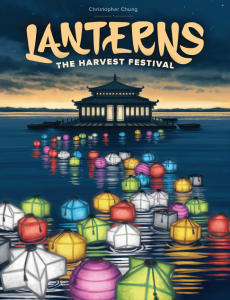
2015
Arrange floating lanterns, collect colors, and earn honor at the harvest festival.
30
minutes
Medium Light
View game
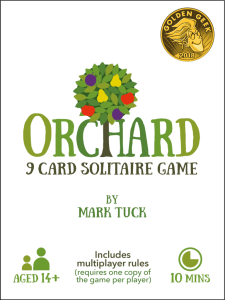
2018
Harvest points by overlapping matching fruit trees in a quick solitaire puzzle.
10
minutes
Light

View game
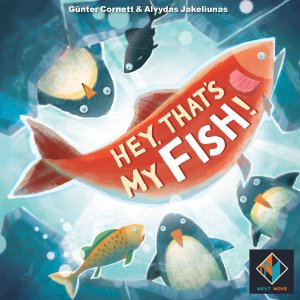
2003
Move penguins, claim ice, and collect the most fish.
20
minutes
Light
View game
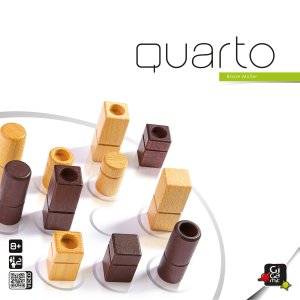
1991
Match four shared traits while your opponent chooses your pieces.
20
minutes
Medium Light
View game

2016
Cultivate colorful beds, score visible garden features, and outgrow the competition.
60
minutes
Medium Light
View game
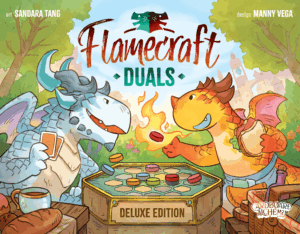
2025
Build colorful dragon patterns, fire up abilities, and complete shop cards.
45
minutes
Medium Light
View game

2017
Build upward, stack clever, and score where the numbers rise above the ground.
20
minutes
Light
View game
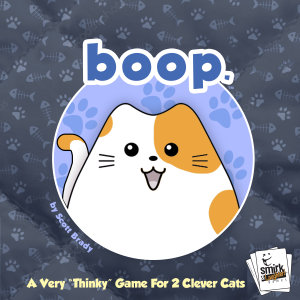
2022
Boop kittens, graduate cats, and outmaneuver your opponent.
30
minutes
Light
View game

2025
Build upward, wield divine powers, and race to the summit.
20
minutes
Medium Light
View game
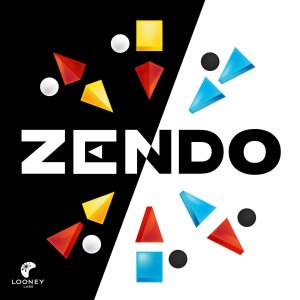
2001
Build, observe, and deduce the Moderator’s secret rule.
60
minutes
Medium

View game
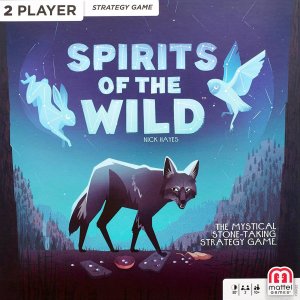
2018
Collect colorful stones, wield spirits, and outplay your opponent.
30
minutes
Light
View game
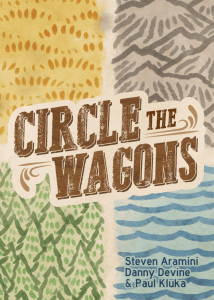
2017
Draft, place, and connect territories to build the best boomtown in the West.
15
minutes
Medium Light
View game
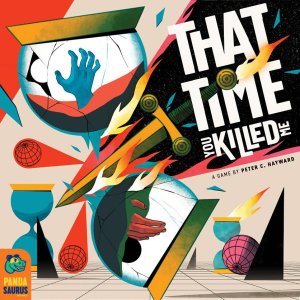
2021
Rewrite history, outmaneuver your rival, and make the murder stick.
30
minutes
Medium
View game
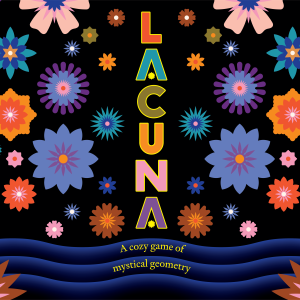
2023
A quick two-player flower-collecting game played on a cloth mat.
15
minutes
Light
View game
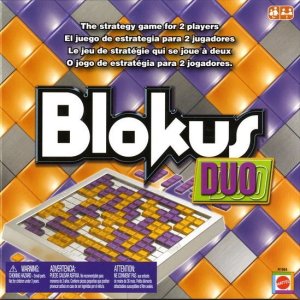
2005
A compact two-player battle of corners, colors, and clever placement.
20
minutes
Medium Light
View game
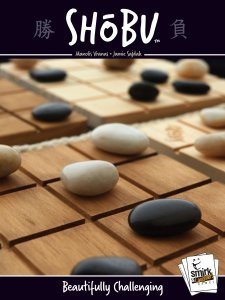
2019
Push, position, and outmaneuver your opponent across four wooden boards.
30
minutes
Medium Light
View game
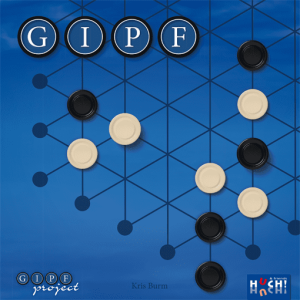
1996
Build four-in-a-row, remove lines, and reshape the game with every capture.
60
minutes
Medium
View game

2001
Rebuild a magnificent medina through clever placement and tense competition.
60
minutes
Medium
View game
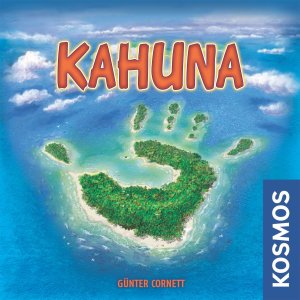
1998
Use magic, bridges, and strategy to seize control of a South Seas archipelago.
40
minutes
Medium
View game

2002
Build the Chieftain’s home while keeping your trademark stones out of sight.
60
minutes
Medium
View game
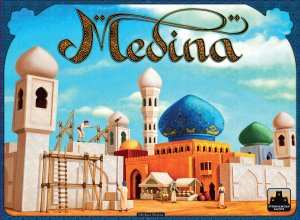
2014
Rebuild a vibrant medina through clever building and city expansion
60
minutes
Medium
View game

-3000
A timeless dice-driven duel of movement, risk, and strategy.
30
minutes
Medium Light
View game
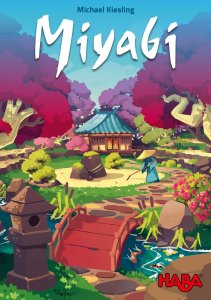
2019
Design an elegant Japanese garden across multiple levels.
45
minutes
Medium
View game
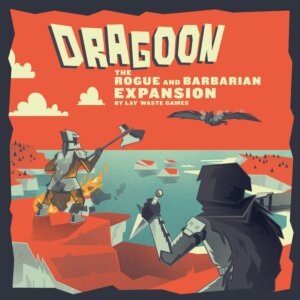
2018
Add stealth, strategy, and two new roles for games of up to six players.
90
minutes
Medium
View expansion
2001
Add jumping, color-changing potentials and new ZÈRTZ board configurations.
120
minutes
Medium Heavy

View expansion

2018
Add royal fish to your reef and earn extra points from coral formations.
45
minutes
Light
View expansion
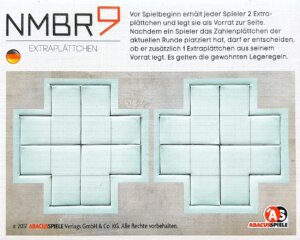
2017
Add two personal bonus tiles to every round of your NMBR 9 game.
20
minutes
Light
View expansion

2021
Explore nocturnal creatures, complete missions, and gather moonlight in new modes.
30
minutes
Medium Light
View expansion
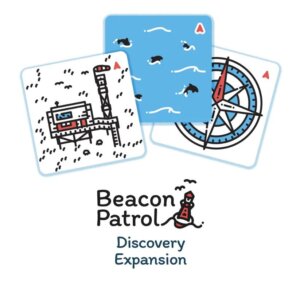
2023
Add two scenic promotional discovery tiles to Beacon Patrol.
45
minutes
Medium Light
View expansion
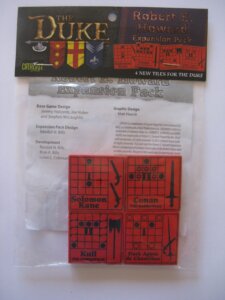
2013
Bring four Robert E. Howard heroes and villains to The Duke
30
minutes
Medium Heavy
View expansion
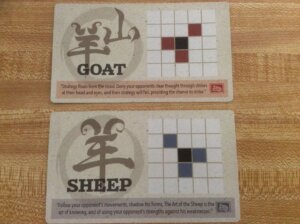
2017
Two 2017 promo tiles, also available in Way of the Wind.
30
minutes
Medium
View expansion
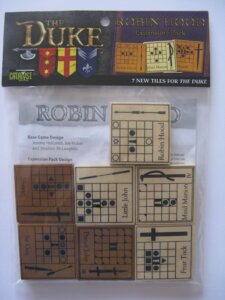
2013
Add Robin Hood characters and new winning conditions to The Duke.
30
minutes
Medium
View expansion
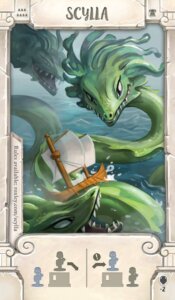
2017
A many-headed sea monster that can force an opponent's Worker to move.
Medium
View expansion
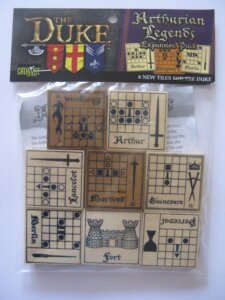
2013
Bring Arthurian myth to the battlefield with legendary figures and Camelot.
30
minutes
Medium
View expansion
1999
Add TAMSK potentials and unlock extra moves in GIPF.
120
minutes
Medium Heavy
View expansion
An abstract strategy board game is a game focused on pure logic, open spatial positioning, and direct player interaction without relying on luck or storytelling. Players compete on transparent boards where all or most game information is visible to everyone from the start. Rather than simulating a narrative world, the match revolves entirely around outmaneuvering an opponent through clever positioning and calculated foresight.
For players new to the genre, approachable titles like Kingdomino and Santorini offer simple rules that you can learn in minutes. Kingdomino uses straightforward domino-style tile placement over a brisk 15 to 25 minutes, while Santorini presents an intuitive 3D spatial duel that plays in about 20 minutes. Both deliver clear tactical goals without overwhelming new players with complicated procedures.
No, while many traditional abstract games are two-player head-to-head duels, many modern designs support three, four, or even more participants. For instance, Blokus plays up to four people and shines best at four as players fight to fit polyomino pieces onto a shared grid. Similarly, Sequence accommodates up to 12 players divided into teams, proving the genre adapts well to group play.
Yes, several abstract strategy games include dedicated solo modes focused on spatial puzzle-solving and beating personal scores. For example, NMBR 9 allows a single player to tackle the challenge of stacking number tiles in 20 minutes, while Sagrada provides a solo mode where you draft dice to construct stained-glass windows under specific constraints. These modes test your spatial planning without needing an opponent.
Family-friendly options like Hey, That’s My Fish! and Blokus work exceptionally well for children starting around ages 7 or 8. Blokus (ages 7+) teaches spatial awareness through vibrant, geometric plastic tiles in 30 minutes. Hey, That’s My Fish! (ages 8+) features a shrinking hex board where players maneuver penguins to snatch fish in a quick 20-minute match.
Abstract strategy games prioritize visible mechanics, spatial logic, and minimal luck over narrative immersion, whereas thematic board games focus on telling a story or simulating a real-world scenario. In abstract games, pieces serve as positional tools on a board rather than representing characters or complex narratives. Even when an abstract title features attractive styling—such as the artisan tile crafting in Azul—the core gameplay relies strictly on pattern-matching and tactical drafting.
Experienced tacticians will find profound depth in classic perfect-information games like Chess and Go, as well as heavier spatial designs like Tigris & Euphrates. These titles feature extensive calculation trees where outcomes are determined solely by strategic positioning and long-term foresight. Tigris & Euphrates in particular challenges 2 to 4 players with complex tile placement, kingdom conflicts, and dynamic leadership balances over 60 to 120 minutes.
Patchwork and Hive are two of the most acclaimed abstract titles designed exclusively for two players. Patchwork provides a cozy yet cutthroat 15-to-30-minute spatial duel about sewing quilt patterns with polyomino tiles on personal boards. Alternatively, Hive delivers a portable, 20-minute battle of hexagonal insect tiles where players maneuver around an open table to surround the opposing Queen Bee.
Most modern abstract strategy games play quickly, generally wrapping up within 15 to 45 minutes. Lighter titles like NMBR 9 and Santorini take only about 20 minutes per match. However, deeper traditional games can run much longer, as seen in Go, where deliberate play can extend a match from 30 minutes up to 180 minutes.
A frequent mistake in abstract games is focusing entirely on advancing your own plan while ignoring how your placement sets up your opponent’s next move. Because abstract games feature open boards with minimal luck, overlooking counterplay will quickly leave your position vulnerable. Another common pitfall is falling into analysis paralysis, where attempting to calculate every branching move slows the match to a crawl instead of trusting your tactical intuition.
Themes are often layered onto abstract systems to make spatial rules more intuitive to understand and visually appealing on the table. In games like Photosynthesis, the theme of trees collecting sunlight gives an organic, visual justification to line-of-sight and area control mechanics. While the underlying engine remains pure spatial positioning and resource allocation, the aesthetic helps players absorb the rules much faster.
