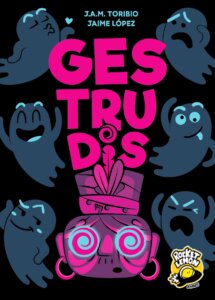
Gestrudis
2024
A ghostly guessing game of simultaneous mime, sounds, and strange signals.
20
minutes
Light

View game

Rules made simple, fun made easy!
The humor theme covers board games designed primarily to amuse players through witty writing, absurd premises, playful art, and comedic table dynamics.
877 results
Humor in board games uses parody, irony, slapstick, and absurd scenarios to keep the mood light and engaging. Rather than focusing purely on competitive efficiency, these games prioritize amusing narratives, quirky illustrations, and funny player interactions that spark laughter.
At the table, this comedic focus transforms the atmosphere into a shared social experience. Players worry less about optimal play or winning strategies and lean into unpredictable situations, silly mishaps, and memorable punchlines.
Humor-themed titles are ideal for casual gatherings, social parties, and family game nights where relaxed banter matters more than intense calculation. The vast majority of these games lean toward light or accessible medium-light weights, making them very easy to teach and play without extensive rules overhead.
2024
A ghostly guessing game of simultaneous mime, sounds, and strange signals.
20
minutes
Light
View game
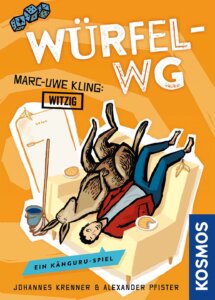
2019
Roll for flatmates, build points, and claim the hammock!
Light
View game
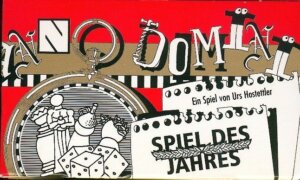
2004
Arrange historical game-related events, bluff boldly, and challenge the timeline.
30
minutes
Medium Light

View game
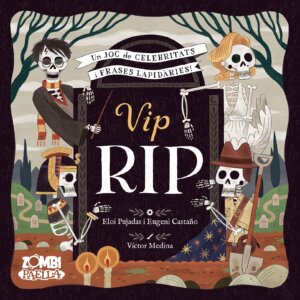
2022
Match famous dead celebrities with sayings in a witty guessing game.
30
minutes
Light
View game
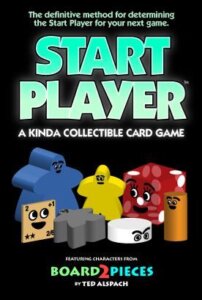
2006
Flip a card, discover who starts, and settle ties instantly.
1
minutes
Light
View game
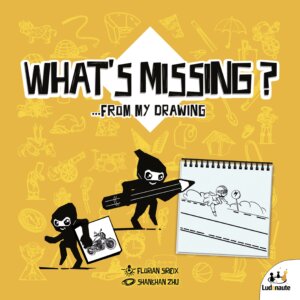
2020
Draw only what matters—and let clever guesses reveal what’s missing.
20
minutes
Light
View game
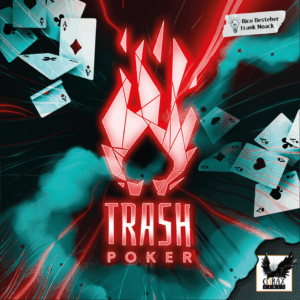
2026
Trash unwanted cards, build your deck, and outscore rivals across eight poker hands.
90
minutes
Medium

View game
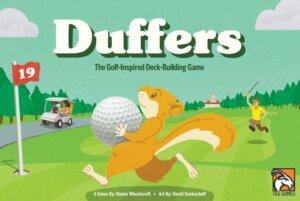
2020
Build your bag, battle the course, and chase a perfect shot.
90
minutes
Medium
View game
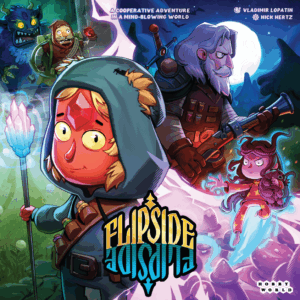
2025
Explore a shifting world, battle monsters, and shape a branching adventure.
120
minutes
Medium
View game
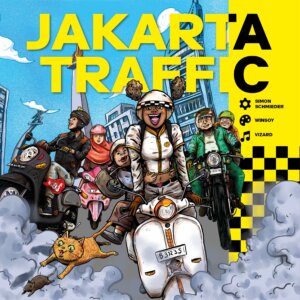
2024
Race through Jakarta, manipulate traffic, and deliver goods before your rivals.
60
minutes
Medium
View game
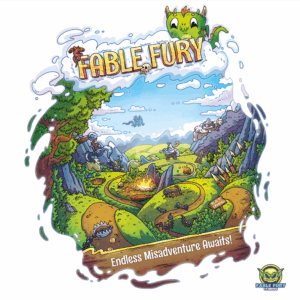
2025
Explore whimsical realms, build your hero, and face a monstrous final showdown.
90
minutes
Medium
View game
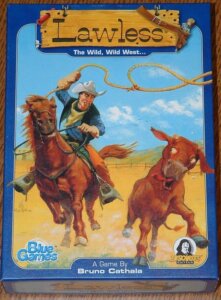
2003
Build a Wild West ranch empire amid raids, robberies, and risky shortcuts.
45
minutes
Medium Light
View game
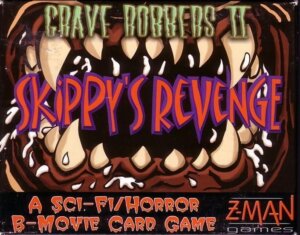
2003
Build a ridiculous sci-fi movie, unleash creatures, and outscore your rivals.
30
minutes
Light
View game
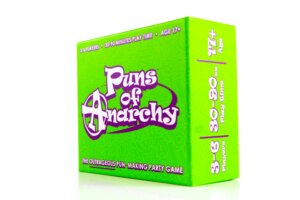
2020
Turn familiar titles into rapid-fire puns and win the best categories.
90
minutes
Light
View game
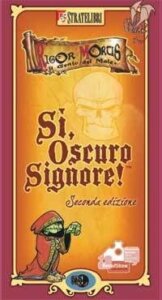
2005
Shift the blame, spin wild excuses, and survive the Dark Overlord's wrath.
30
minutes
Light
View game
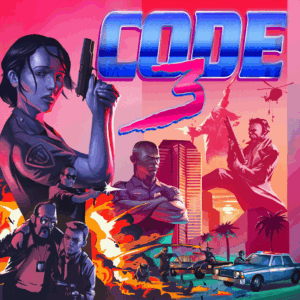
2020
Team up for an 80s crime-fighting story of choices, pressure, and push-your-luck play.
120
minutes
Medium Heavy

View game
2021
A lively five-round quiz of general knowledge and personal guesses
30
minutes
Light
View game
2022
Gather a city’s inhabitants, outpace rivals, and survive flying saucer attacks.
15
minutes
Medium
View game
2010
Race to answer true or false before your opponents pile on the disk.
20
minutes
Light
View game
2003
Draw ridiculous scenes and challenge everyone to guess who, what, and where.
30
minutes
Light
View game
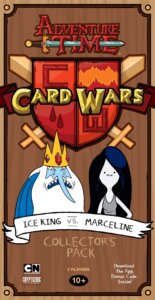
2015
Freeze lanes, unleash dark tricks, and battle from 25 Hit Points to zero.
30
minutes
Medium Light
View game
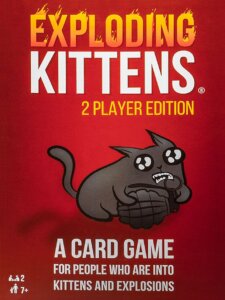
2022
A tense two-player showdown where every draw could trigger feline chaos.
20
minutes
Light
View game
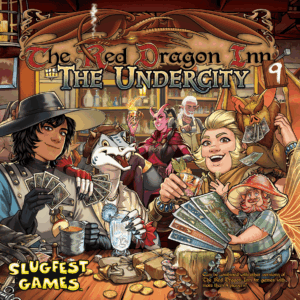
2023
Explore Greyport’s hidden Undercity with four distinctive new characters.
60
minutes
Medium
View game
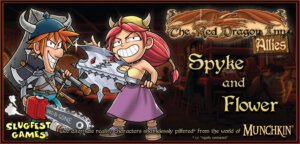
2018
Munchkin rivals drink, brawl, and gamble for tavern supremacy.
40
minutes
Light
View game
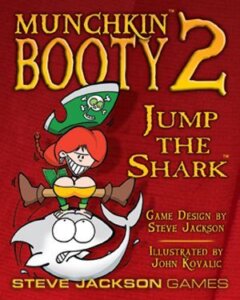
2009
Battle sharks, discover new Ships, and plunder the high seas!
90
minutes
Medium
View expansion
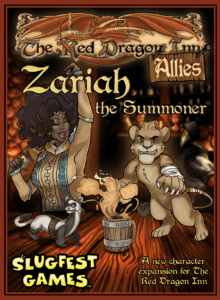
2015
A charming summoner and three companions with a fearsome secret.
Medium
View expansion
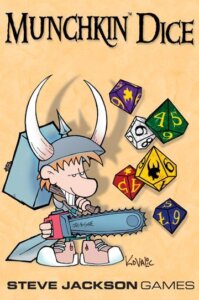
2005
Six oversized dice and 14 wild cards to power up your Munchkin games.
90
minutes
Medium Light
View expansion
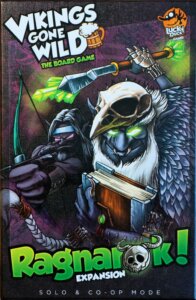
2017
Face an undead challenge in solo or cooperative play.
90
minutes
Medium Light
View expansion
2005
Add white-themed cards, dice-driven dangers, and fresh bunny-saving tactics.
90
minutes
Medium
View expansion
2014
Harness elemental power while your companions risk fiery side effects.
45
minutes
Medium
View expansion
2008
A small expansion packed with more monsters, curses, cheats, and surprises.
90
minutes
Medium
View expansion
2010
Descend into forbidden knowledge, strange caverns, and maddening new dimensions.
90
minutes
Medium Light
View expansion
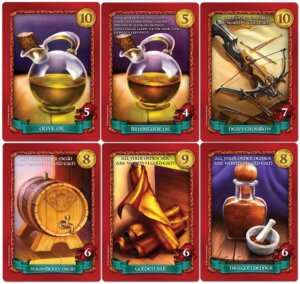
2014
Six promo cards add new ways to value, protect, or disrupt goods.
60
minutes
Medium Light
View expansion
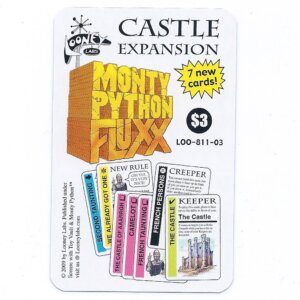
2009
Bring the Castle, French Persons, and Camelot into Monty Python Fluxx.
30
minutes
Medium Light
View expansion
2013
Slay fearsome dragons and claim their wondrous treasures.
120
minutes
Medium Light
View expansion
2005
Add Super Bunnies, strange weapons, and wild new ways to survive.
90
minutes
Medium
View expansion
A humor board game is any tabletop title designed to provoke laughter through absurd themes, comedic card text, or playful player interactions. Rather than emphasizing purely analytical calculation, these games encourage funny table banter and chaotic moments. For example, Exploding Kittens builds fast-paced tension around silly hazards, while Guillotine uses dark historical satire to fuel lighthearted card play.
A great starting game features straightforward rules, quick turns, and immediate comedic payoffs that do not require deep strategy. Titles like Exploding Kittens take about 15 minutes to play and can be learned in moments. Another excellent choice is Dixit, which plays in 30 minutes and relies on whimsical, open-ended art to generate amusing associations.
Yes, many humor games are designed specifically with family-friendly rules and lighthearted themes suitable for kids and adults alike. For instance, Dixit: Odyssey accommodates large groups of 3 to 12 players with a minimum age of 8, keeping everyone engaged without intense confrontation. Fast card games like Exploding Kittens (ages 7 and up) also fit perfectly into relaxed family gatherings.
Yes, comedic themes are not limited to light party games and can drive intricate, complex euro-style designs. Heavy comedic games like Dungeon Petz and Dungeon Lords combine demanding worker placement and resource management with quirky, tongue-in-cheek monster management. Similarly, Last Will challenges players to formulate an elaborate engine-building strategy around the absurd goal of spending a fortune as quickly as possible.
Playtime varies widely depending on complexity, ranging from quick 15-minute card games to multi-hour strategic simulations. Fast-paced party games like Spyfall wrap up in roughly 15 minutes, making them easy to string together over a casual evening. In contrast, heavier comedic titles such as Power Struggle or Assault on Doomrock can run between 90 and 150 minutes.
Some humor games work at two players, but most thrive at larger counts where social interaction, bluffing, and emergent table talk create the comedy. Two-player matchups can excel in focused card duels like Smash Up: Awesome Level 9000, which is specifically designed for 2 players. However, social deduction and bluffing games like Sheriff of Nottingham and Secret Hitler strictly require larger tables to produce their funny moments.
While most comedic board games rely on interpersonal banter, certain designs include dedicated solo modes driven by emergent narrative mishaps. For instance, Red November supports solo play where you scramble to survive absurd submarine disasters, and Assault on Doomrock plays from 1 to 4 players and is voted best as a solo experience. In these titles, the humor stems from ridiculous tactical predicaments and chaotic dice rolls rather than social interaction.
Humor is a thematic tone and stylistic framing, whereas “party” refers to accessibility and group size mechanics. A humor-themed game can use robust eurogame systems or tactical combat, as seen in Galaxy Trucker (Second Edition) where frantic spaceship construction leads to hilarious catastrophic failures. While party games frequently use comedy to break the ice, humor games exist across the entire spectrum of game weights.
Joke fatigue occurs when written punchlines, flavor text, or specific gags become overly familiar after multiple plays, losing their initial surprise. To avoid this, strong humor games rely on emergent storytelling and table dynamics rather than static text on cards. Games like Gloom counter this fatigue by prompting players to invent their own morbidly funny stories for each card they play, ensuring each session feels fresh.
Comedic negotiation and hidden-role games usually reach their peak energy with 5 to 8 players around the table. For example, Sheriff of Nottingham plays best with 5 players to maximize bribery and suspicion, while Secret Hitler is widely voted best with 8 players. Higher player counts amplify the accusations, theatrical denials, and comedic betrayals that drive the experience.
A frequent mistake is taking the rules and competition too seriously, which can stifle the relaxed, playful atmosphere the game requires. Overanalyzing every move in lighthearted titles like Munchkin or BANG! The Bullet! can slow the tempo and drain the comedic momentum. Teachers should emphasize fast pacing and encourage players to embrace ridiculous setbacks instead of calculating optimal mathematical plays.
