Hitster
2022
Build a musical timeline and relive more than 100 years of unforgettable hits.
30
minutes
Light

View game
Rules made simple, fun made easy!
Trivia is a cognitive board game theme where players test their knowledge of real-world facts, pop culture, history, and general information to score points or advance. Gameplay centers on answering prompts, wagering on accuracy, or recalling obscure details across diverse subjects.
190 results
At its heart, the Trivia theme transforms human memory and personal curiosity into the main driver of play. Rather than managing fictional resources or navigating imaginary worlds, players pull answers directly from what they know about the real world, from sports statistics and cinema to science and historical milestones.
At the table, this dynamic sparks lively discussion, shared nostalgia, and genuine surprise as obscure facts come to light. Modern designs frequently mix in betting, cooperative problem-solving, or bluffing, ensuring that table talk remains engaging even when a player does not know the exact answer.
This theme is ideal for casual gatherings, multigenerational family nights, and party settings where quick laughs and easy rules matter more than complex strategy. The vast majority of these titles are exceptionally light and breezy, though a smaller share introduces medium-light strategic layers like drafting or betting to level the playing field between casual quizzers and fact masters.
2022
Build a musical timeline and relive more than 100 years of unforgettable hits.
30
minutes
Light
View game

2017
A fast-moving quiz of ten answers, risky guesses, and timely passes.
120
minutes
Light
View game
2005
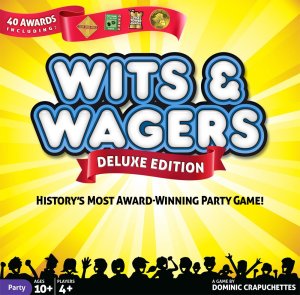
Turn uncertain trivia guesses into high-stakes betting opportunities.
25
minutes
Light
View game
2008
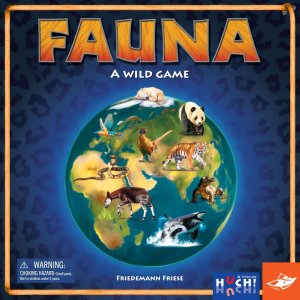
Test your animal knowledge and score points for educated guesses.
60
minutes
Light
View game
2010
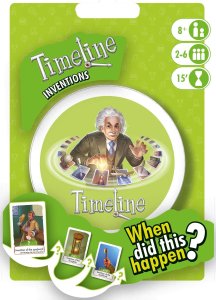
Place inventions in the right order and be first to clear your hand.
15
minutes
Light
View game
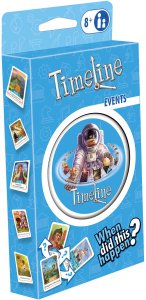
2011
Place historic events in the right order and be the first to empty your hand.
15
minutes
Light
View game
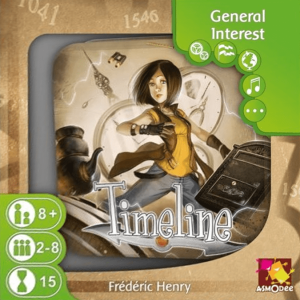
2012
Place historical events in the right order and race to empty your hand.
15
minutes
Light
View game
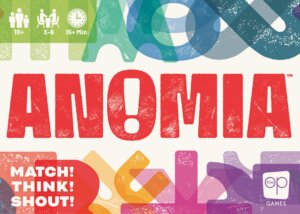
2010
Match symbols, think fast, and name an example before your opponent does.
30
minutes
Light
View game
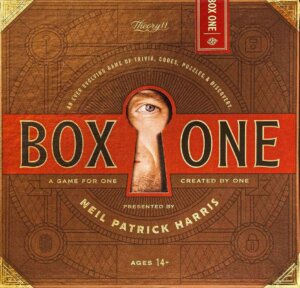
2020
A solo journey of trivia, codes, puzzles, and hidden discoveries
240
minutes
Medium

View game
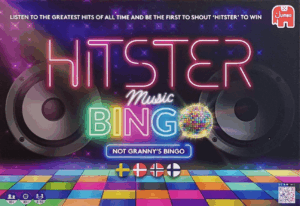
2024
Spin the disco ball, test your music knowledge, and complete your line.
60
minutes
Light
View game
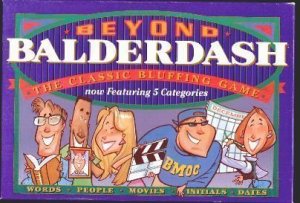
1993
Invent outrageous answers, bluff convincingly, and hope the truth is stranger.
45
minutes
Light
View game

2011
Build a timeline of discoveries and place every card in the right order.
15
minutes
Light
View game
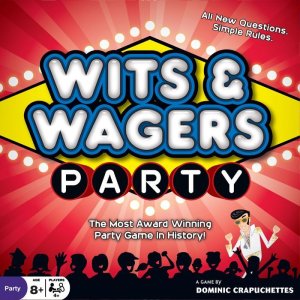
2012
A lively guessing and betting game for family and friends
25
minutes
Light
View game
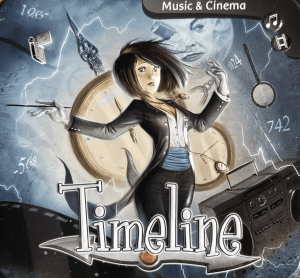
2013
Place historical events in the right order and race to empty your hand.
15
minutes
Light
View game
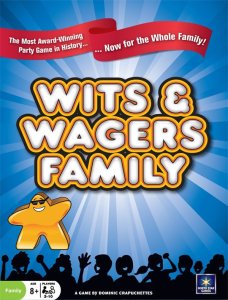
2010
Family-friendly estimation, clever Meeple choices, and quick points for everyone.
20
minutes
Light
View game
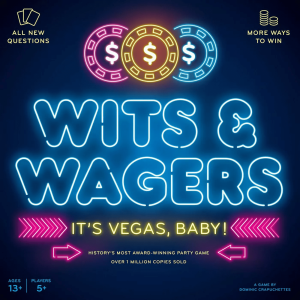
2019
Bet smart, guess boldly, and turn surprising trivia into a Vegas-style showdown.
40
minutes
Light
View game
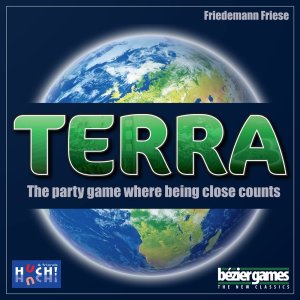
2014
Guess global facts, place your tokens, and score for being close.
45
minutes
Medium Light

View game
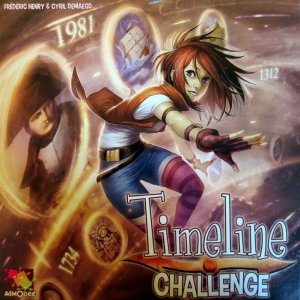
2015
Build a timeline, master the challenges, and race to the finish.
30
minutes
Light
View game

2016
A five-round pub quiz where correct answers drive your team across the board.
40
minutes
Light
View game

2024
Build a timeline of summer hits from across the past decades.
30
minutes
Light
View game
2019
Answer questions, spell with dice, and keep your cool under pressure.
25
minutes
Light
View game
2012
Place historical events in the correct order and be the first to empty your hand.
15
minutes
Light
View game

2007
Sort your strengths, outsmart opponents, and score big in this fast quiz game.
45
minutes
Medium Light
View game

2016
Rate your knowledge, choose the challenge, and race to the finish!
97
minutes
Light
View game
2022
200 fresh questions and 2,000 answers for daring quiz fans
20
minutes
View expansion
1999
Add more cards to your Cranium game with this 1999 expansion.
60
minutes
Medium Light
View expansion

2013
Refresh team play with 240 cards and more than 1,000 new concepts.
30
minutes
Light
View expansion
1984
A 6,000-question trivia card set across six classic categories.
90
minutes
Medium Light
View expansion
2004
Add 100 double-sided category cards to your Smarty Party collection.
45
minutes
Light
View expansion
A trivia board game is a title where players test their real-world knowledge across categories such as history, science, pop culture, and geography to earn points or advance. Rather than managing fictional currencies or tactical armies, play revolves around memory recall, estimation, and deduction. Modern entries frequently add wagering, deduction, or timeline placement mechanics so that guessing accurately is as viable as knowing facts cold.
For players new to the theme, Wits & Wagers is an ideal starting point because you do not need to be a trivia expert to win. Every prompt requires a numerical answer, after which everyone bets on which player’s guess is closest without going over. It takes only 25 minutes to play, supports 3 to 7 players, and teaches in under five minutes.
Yes, especially when the questions focus on visual deduction or open categories rather than narrow academic recall. Games like Timeline: Inventions work well for ages 8 and up because players only need to deduce whether an invention arrived before or after other items in a growing timeline. Another family-friendly choice is Facts in Five, which challenges players aged 8 and older to name items matching specific letters and subjects.
Modern designs incorporate betting, partial credit, and bluffing so that pure encyclopedic recall does not guarantee victory. In Terra, for example, points are awarded for being close to the exact geographical area, year, or metric measurement on the board. Similarly, Nobody Is Perfect rewards players for inventing plausible fake answers that trick their opponents, making social psychology just as important as knowing the truth.
While trivia is usually an interactive party experience, certain titles are built specifically for solo investigation. Box One is a 1-player game that mixes trivia recall with escape-room style riddles and progressive physical discovery over 180 to 240 minutes. Additionally, category-based games like Facts in Five can be played alone as a solo memory challenge against the clock.
Trivia can work at two players, but head-to-head matches can feel one-sided if one player has a much stronger general knowledge base. Quick card games like Timeline: Inventions mitigate this by playing in just 15 minutes, making rematches easy. For a more tactical duel, Bezzerwizzer supports 2 players and introduces question swaps and tile steals that add tactical friction to standard quizzing.
Classic quiz games, such as Trivial Pursuit: Master Edition, rely strictly on direct question-and-answer exchanges where correct recall is the only way to score. Party trivia games blend factual prompts with physical speed, creative clues, or social interaction to keep everyone laughing. For instance, Cranium combines trivia questions with acting, sculpting, and word puzzles, while Anomia tests how quickly you can shout a matching category answer under intense visual pressure.
Most trivia games are brisk, usually wrapping up in 15 to 60 minutes. Fast card games like Hitster and Anomia take about 30 minutes, whereas board-centric quiz games like Bezzerwizzer run for roughly 45 minutes. More specialized or thematic titles, such as Lord of the Rings Trivia Game, demand deeper knowledge and can run up to 90 minutes.
Content exhaustion happens when a group plays a game so frequently that they begin memorizing cards rather than recalling knowledge. To extend longevity, look for games with modular expansions or large initial card decks. Hybrid designs like Hitster reduce this fatigue by integrating digital music tracks via QR codes, offering hundreds of songs that remain challenging across repeated sessions.
The most effective strategy is managing risk rather than trying to guess every single fact correctly. In betting and deduction games like Wits & Wagers or Terra, you should target median values or place your chips alongside players who clearly specialize in a given category. Conserving your high-value wagers for the rare questions where you feel complete certainty consistently beats wild guessing.
Pop-culture and music trivia draw on auditory memory, personal nostalgia, and shared entertainment milestones rather than schoolbook facts. In Hitster, players listen to real audio clips on their smartphones and attempt to place the tracks in chronological order without needing to know obscure dates. These games shift the atmosphere toward a communal party soundtrack, making them more approachable for casual social gatherings.