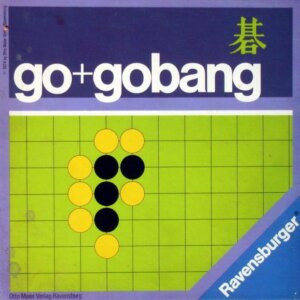
Go-Moku
700
A fast, open-field duel to place five stones in a row.
5
minutes
Medium Light

View game

Rules made simple, fun made easy!
Pattern building is a board game mechanic where players arrange components into specific geometric configurations, alignments, or sequences to score points or trigger abilities.
932 results
At its core, pattern building challenges players to visualize how individual pieces relate to one another in physical or conceptual space. Rather than merely hoarding resources or reaching a destination, players manipulate tiles, cards, or tokens into exact spatial arrangements, such as straight lines, clusters, diagonals, or matching color formations prescribed by game objectives.
At the table, this mechanic shifts strategic focus toward spatial reasoning and tactical foresight. Every piece added to a board or personal display must serve dual purposes: furthering a planned arrangement while remaining flexible enough to adapt when shared board states change or high-value scoring conditions evolve.
Players physically flick pieces to move them.
91 gamesPlayers cover or control grid spaces.
208 gamesPlayers move their pieces on a grid.
2,315 gamesThe game board is composed of hexagonal spaces, allowing for multi-directional movement.
2,274 gamesMultiple game elements interact in a stacked fashion.
211 gamesPlayers use a set number of points to move.
614 gamesPlayers identify and respond to visual or logical patterns.
333 gamesPlayers collect and transport goods to different locations.
722 gamesPlayers move between fixed locations on a map or board.
1,099 gamesPieces are slid or pushed across the board.
71 gamesPlayers progress along a track.
574 gamesPlayers place tiles to form a board or map.
2,469 gamesPlayers progress along a predefined track, often gaining rewards or triggering events.
287 gamesPattern building games are overwhelmingly popular with casual groups, families, and mid-weight strategists. The vast majority of titles in this space sit comfortably in the light to medium-light complexity bracket, making them approachable without sacrificing depth. While deeply complex, heavy brain-burners exist in small numbers, most pattern builders thrive as accessible, thinky experiences suitable for anyone who enjoys tactile puzzle-solving and tidy spatial optimization.
700
A fast, open-field duel to place five stones in a row.
5
minutes
Medium Light
View game

2026
Layer colorful prints, shape clever goals, and build a winning 3×3 gallery.
20
minutes
Medium

View game

2025
Grow colorful flowers, read the weather, and outwit rivals on a 3D tree.
45
minutes
Medium Light
View game
1979
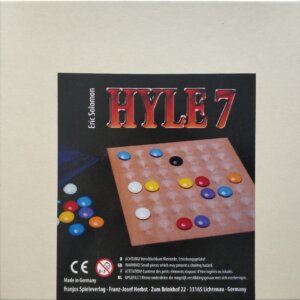
A two-player contest of random placement, movement, and color palindromes.
45
minutes
Medium
View game
2023
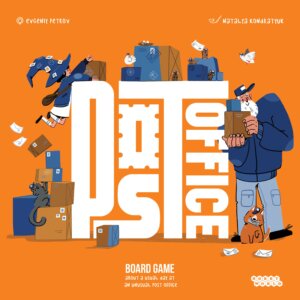
Arrange, group, and tape packages to master shelf challenges and score big.
45
minutes
Medium Light
View game
2013
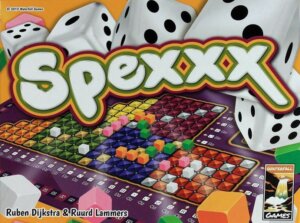
Roll five dice, claim combinations, and build scoring lines.
60
minutes
Medium Light
View game
2020
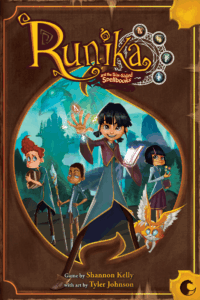
Draft dice, shape runes, and master a changing magical puzzle.
90
minutes
Medium
View game
2024
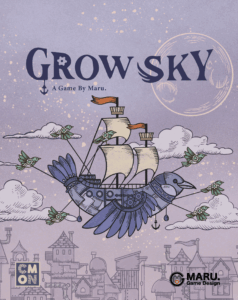
Build a sky ship engine, master the skies, and race to 15 medals.
90
minutes
Medium
View game
2015
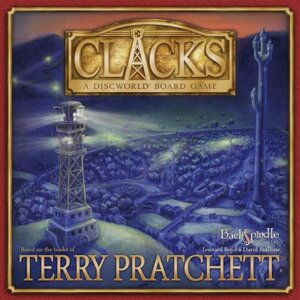
Race semaphore messages across Discworld before the Post Office catches up.
30
minutes
Medium
View game

2015
Build a branching tale from tarot cards in a clever solo or cooperative challenge.
10
minutes
Medium Light
View game

2022
Draft huskies, prepare your sled, and race through the snowy wilderness.
45
minutes
Medium Light
View game

2016
Match every color carefully before the wobbling tower sends sticks your way.
30
minutes
Light

View game
2020
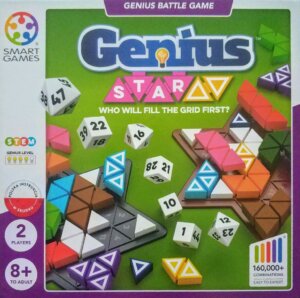
Race to complete a star-shaped puzzle with clever blockers and bold bonuses.
Medium Light
View game
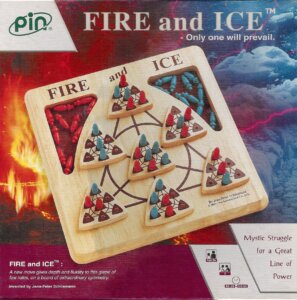
2002
Capture three islands in a row in a strategic game of shifting plans.
30
minutes
Medium
View game
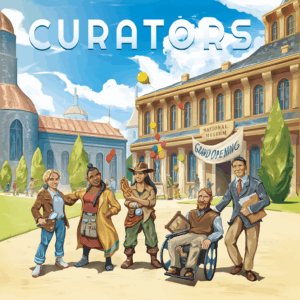
2021
Build a museum, display remarkable objects, and earn the Museum of the Year Award.
75
minutes
Medium
View game
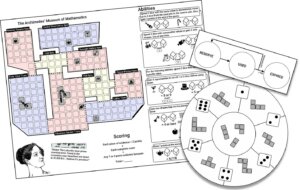
2017
Search a mathematical museum and capture evidence with polyomino pieces.
20
minutes
Medium Light
View game
2023
Shape a thriving city through clever layouts, landmarks, services, and events.
60
minutes
Medium
View game
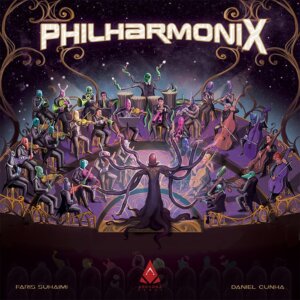
2025
Build a space orchestra, win patrons, and chase prestige across the Malaya sector.
150
minutes
Medium Heavy

View game
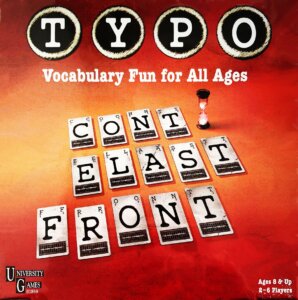
2004
Build words under pressure by placing alphabetic cards in clever ways.
30
minutes
Light
View game
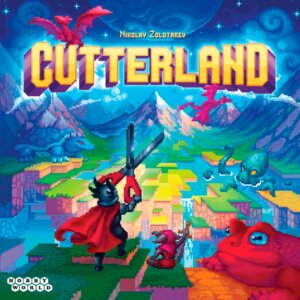
2020
Cut, share, and build a fabulous land filled with scoring creatures.
40
minutes
Medium Light
View game

2018
Build a sculpture from pieces and challenge others to guess it.
40
minutes
Light
View game
2019
Reveal, place, and outmaneuver rivals before the bullheads cost you points.
25
minutes
Light
View game
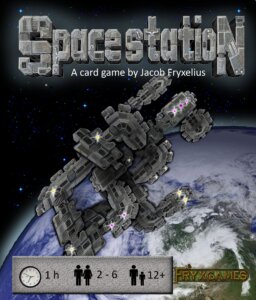
2011
Build, crew, and expand your station across six competitive years.
60
minutes
Medium
View game

2025
Draft mementos, master shared movement, and score your Northwest journey.
45
minutes
Medium Light
View game
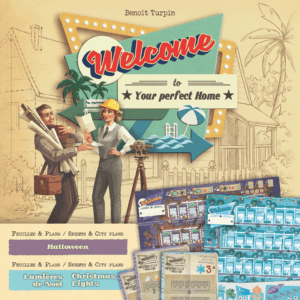
2019
Build a spooky or sparkling neighborhood and earn points through themed goals.
25
minutes
Medium
View expansion
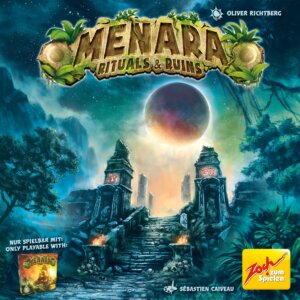
2019
Build a temple together while rituals, ruins, and divine tears disrupt your plans.
90
minutes
Medium
View expansion

2019
Fill summer streets, follow the ice cream trucks, and score tasty bonuses.
25
minutes
Medium Light
View expansion
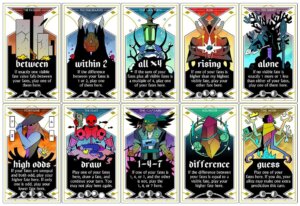
2018
Add ten new cards to The Shipwreck Arcana
30
minutes
Medium
View expansion

2025
Three modular extras add new starting benefits, creatures, and upgrades.
180
minutes
Medium Heavy
View expansion
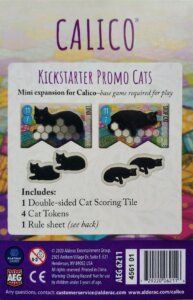
2020
Add new cat scoring options with a double-sided tile and four tokens.
Medium
View expansion

2019
Find eggs, circle them with numbers, and race for bonus points.
25
minutes
Medium
View expansion
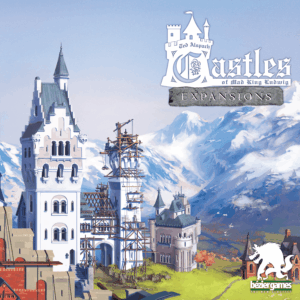
2023
Expand your castle with new rooms, rewards, powers, and goals.
Medium
View expansion
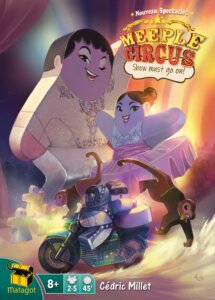
2019
Add new stars, surprises, and spectacular numbers to the circus show.
45
minutes
Light
View expansion
2020
Add deadly Executioners, punish opponents, and score big among the Criminals.
30
minutes
Medium
View expansion
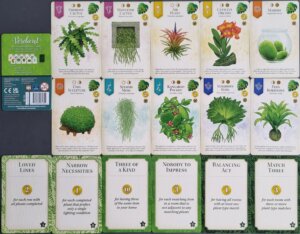
2022
Add potless plants and fresh goals to your Verdant collection.
Medium
View expansion
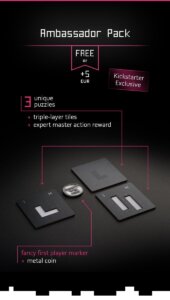
2020
A Kickstarter-exclusive expansion with new puzzle tiles and a metal first-player marker
40
minutes
Medium
View expansion
Pattern building is a mechanic where players position components into specific geometric formations, alignments, or color sequences to score points or unlock abilities. Rather than merely hoarding assets, you must visualize spatial relationships across a personal grid or a shared play area. For example, in Azul, players draft and place colored tiles to satisfy specific row arrangements and wall mosaics.
While both involve laying physical components onto a surface, tile placement focuses on expanding a continuous map or board, whereas pattern building requires matching specific geometric configurations dictated by goals. You might place a tile simply to extend territory or connect paths, but pattern building rewards you only when your arrangement matches a required shape, row, or color combo. Many games incorporate both, but pattern building makes the exact spatial configuration the primary scoring condition.
Yes, pattern building is exceptionally approachable because visual puzzles are intuitive to understand across different age groups. Family-friendly releases such as Sequence (for ages 7 and up) and Ubongo (for ages 8 and up) feature straightforward rules that can be learned in minutes. The clear visual feedback on the board makes tracking progress natural without needing complex arithmetic.
Several top pattern builders shine brightest at the two-player count, offering tight drafting and low downtime. Cascadia and Sagrada are both community-rated as best with 2 players, delivering brisk 30 to 45-minute spatial puzzles. If you want a dedicated two-player duel, Targi combines worker placement on a grid border with pattern-driven card construction in the desert.
Yes, many modern pattern builders include dedicated solo modes because visual spatial puzzles adapt seamlessly to solitaire play. Titles like Harmonies and Cascadia accommodate 1 to 4 players, allowing a single player to tackle target scores or achievement scenarios. Playing solo lets you carefully analyze placements without the pressure of turn timers or player downtime.
A classic starting point is Carcassonne, which introduces spatial planning through simple tile matching for ages 7 and up. If you prefer building on an individual board rather than a shared map, Azul provides a tactile, satisfying introduction that plays smoothly in about 30 to 45 minutes. Both deliver high replay value while keeping the learning curve gentle.
A frequent error is committing too early to a rigid, high-scoring pattern without keeping alternative configurations open. If essential components do not appear in the draft or an opponent claims the space you need, an inflexible display can leave you stranded with unusable pieces. Successful players build adaptable layouts that can shift toward secondary goals as the game develops.
Yes, heavy games integrate pattern building into elaborate economic and logistical systems. Titles like Tekhenu: Obelisk of the Sun and Civolution tie spatial positioning directly to engine-building and resource management. For an intense industrial challenge, Horseless Carriage tasks players with orchestrating precise factory floor and pipeline patterns over a 3 to 4-hour runtime.
Most pattern building games last between 20 and 45 minutes, sitting comfortably in the light to medium-light complexity range. Fast-paced titles like NMBR 9 can be finished in around 20 minutes, while medium-weight games such as Takenoko typically run 45 minutes. Play times only push past 90 minutes when the mechanic is paired with heavy civilization or economic designs.
Analysis paralysis occurs when players try to visualize too many potential tile rotations and placement permutations on a crowded board. Because a single component placement can either trigger immediate points or block valuable future configurations, players often get stuck calculating several turns ahead. Games with restricted drafts or spatial boundaries help curb this tendency by limiting available options each turn.
Personal player boards offer a heads-down puzzle where opponents cannot ruin your visual design, focusing competition on drafting speed and spatial efficiency. By contrast, shared-board designs like the ancient classic Go feature constant interaction, where forming an alignment also requires defending against an opponent cutting off your shape. Your choice depends on whether your group prefers relaxed spatial optimization or aggressive, interactive tactics.
