
Ofrenda
2025
Build a vibrant altar and honor loved ones through thoughtful card placement
60
minutes
Medium

View game

Rules made simple, fun made easy!
The puzzle theme centers on games where players analyze patterns, deduce solutions, or manipulate components to solve explicit spatial, logical, or mechanical challenges.
1,025 results
At its heart, the puzzle theme frames the entire gameplay experience around finding solutions rather than direct competition. Instead of reacting primarily to hostile rivals, players confront an intricate mechanical or logical problem built into the game itself, whether that involves decoding clues, arranging shapes into specific patterns, or optimizing a sequence of moves.
At the table, this shifts the dynamic toward focused problem-solving and contemplative play. Victory feels like a genuine intellectual breakthrough, making each turn an engaging exercise in spatial awareness, deduction, and trial-and-error.
This theme is ideal for analytical thinkers, quiet strategists, and cooperative groups who prefer cracking a system together over sabotaging each other. Most puzzle games fall squarely into the accessible medium and medium-light weight range, making them easy to learn while still offering deep cognitive engagement, though a smaller selection provides either very gentle introductions or demanding, heavy brain-burners.
2025
Build a vibrant altar and honor loved ones through thoughtful card placement
60
minutes
Medium
View game
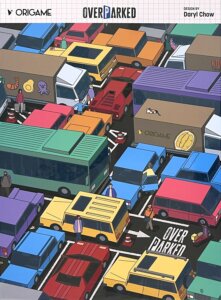
2025
Park incoming vehicles, build connections, and score big at the concert rush.
30
minutes
Medium Light

View game
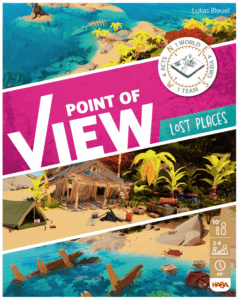
2024
Share what you see, connect the clues, and uncover lost places together.
60
minutes
Light

View game

2016
Repair fractured timelines in a colorful race to save the multiverse.
120
minutes
Medium
View game
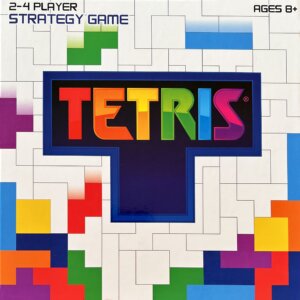
2021
Drop, rotate, and complete rows in a head-to-head tabletop Tetris challenge.
30
minutes
Light
View game
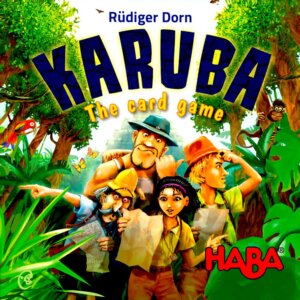
2017
Build jungle pathways, connect adventurers to temples, and claim the most treasure.
15
minutes
Light
View game

2020
Draft and arrange food and tablecloths into the best possible picnic.
15
minutes
Light
View game
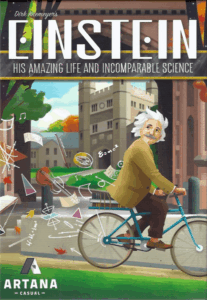
2017
Build theories, connect ideas, and follow Einstein’s extraordinary journey.
30
minutes
Medium Light
View game
2016
Work together to complete a spaceship before the virus and failing systems catch up.
20
minutes
Light
View game
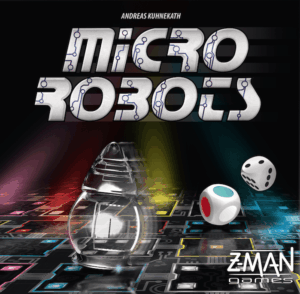
2016
Race to plot the fastest color-and-number robot route.
20
minutes
Medium Light
View game

2022
Escape Castle Mordengraf before the creature resumes its hunt.
240
minutes
Medium
View game

2020
Team up as unusual crabs in a clever cooperative beach rescue.
15
minutes
Medium Light
View game

2017
Reopen a condemned murder case at a South Pole station.
180
minutes
Medium
View game

2017
Five distinct games of deduction, bluffing, auctions, mazes, and solo play
20
minutes
Medium Light
View game

2018
Build a unique adventurer and cooperate through endlessly varied dungeon quests.
60
minutes
Medium Light
View game

2024
A branching cyberpunk dungeon crawl where choices shape Neo Eden.
120
minutes
Medium Heavy

View game
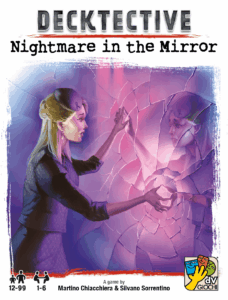
2021
Share clues, test deductions, and solve a mysterious case together.
60
minutes
Medium Light
View game
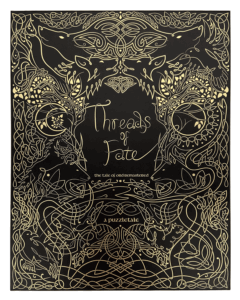
2023
Solve supernatural puzzles and reshape destiny across a four-episode mystery.
800
minutes
Medium Heavy
View game

2017
Brew clever recipes, outmaneuver your rival, and win loyal customers.
60
minutes
Medium
View game
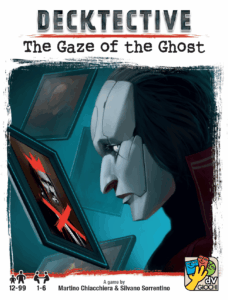
2020
Work together, share clues, and solve a mysterious case in 3D.
60
minutes
Medium Light
View game

2024
Unravel a deadly Covent Garden mystery from inside Holmes’s mind.
45
minutes
Medium
View game
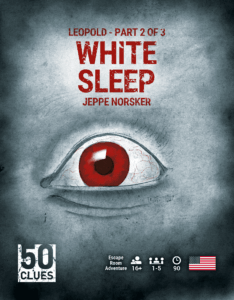
2019
Unravel a murderous escape-room story through puzzles, objects, and codes.
90
minutes
Medium Light
View game

2017
Build a connected landscape, place monuments, and create the most valuable forest.
20
minutes
Light
View game
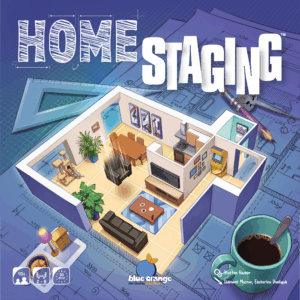
2023
Design smart floor plans and fit every piece of furniture into place.
30
minutes
Medium
View game
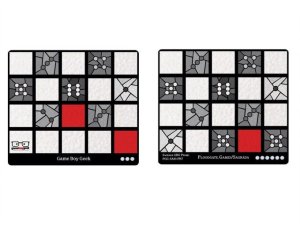
2018
A double-sided stained-glass window pattern card with level 3 and 6 sides.
40
minutes
View expansion
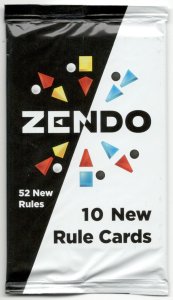
2018
Ten new rule cards add 52 possibilities to your Zendo sessions.
60
minutes
Medium Heavy
View expansion
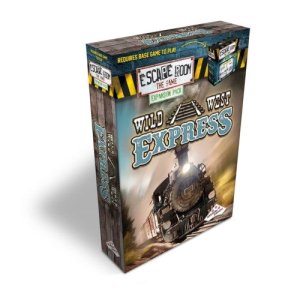
2020
Outrun bandits and crack the prison wagon’s combination lock.
60
minutes
View expansion
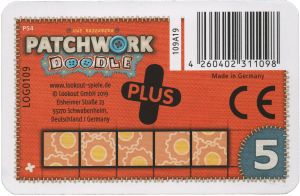
2019
New shapes and an extra special ability for Patchwork Doodle
20
minutes
View expansion
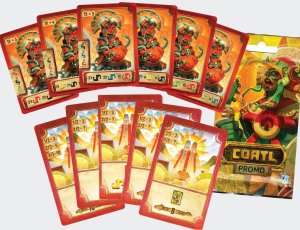
2022
A promo deck with six Prophecy cards and five Temple cards
60
minutes
View expansion
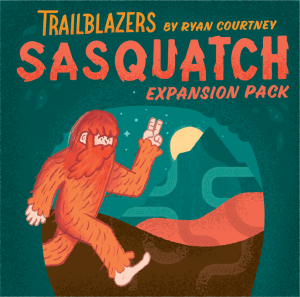
2024
Cooperate on trails while a hidden Sasquatch quietly sabotages your plans.
30
minutes
Medium
View expansion
A puzzle-themed board game centers gameplay around solving a spatial, mechanical, or logical problem built directly into the game’s rules. Instead of focusing primarily on attacking or undermining other players, you manipulate tiles, manage patterns, or deduce solutions to clear distinct challenges. Accessible titles like Patchwork and Bärenpark illustrate this by turning geometric piece placement on personal boards into the core objective.
Yes, puzzle board games are often exceptional at two players because individual problem-solving creates minimal turn delay. The popular duel game Patchwork is designed exclusively for 2 players and finishes in 15 to 30 minutes, while pattern-building titles like Sagrada and Harmonies are rated best with 2 players on BoardGameGeek. At this count, drafting pieces from shared pools directly affects your opponent’s choices without requiring hostile direct attacks.
Yes, puzzle board games translate naturally to solo play because the game system itself serves as the opponent. Titles such as Sagrada and Harmonies include dedicated solitaire rules that challenge you to achieve target point thresholds or solve specific layouts. In more intricate designs like A Feast for Odin, single-player mode allows deliberate thinkers to test complex grid arrangements and resource conversions at their own pace.
For families and beginners, light spatial tile-laying and path-building games are the best starting point. Kingdomino teaches domino-style territory drafting in 15 to 25 minutes for players aged 8 and up. Other family-friendly choices include Labyrinth for moving maze walls and Ubongo for fast-paced shape-matching puzzles under 30 minutes.
Puzzle board games differ from traditional strategy games by shifting the core challenge from outmaneuvering rivals to cracking an intrinsic system. Traditional games emphasize combat, area majority, and direct counter-play across a shared map. In contrast, puzzle designs challenge you to satisfy strict placement rules, spot hidden patterns, or maximize spatial efficiency within your own individual tableau.
Experienced players looking for deep puzzle games should seek out medium-heavy and heavy titles with multilayered decision spaces. In A Feast for Odin, players tackle a massive polyomino grid-filling problem combined with worker placement over 30 to 120 minutes. Deduction enthusiasts can explore Alchemists, which uses a mobile app to manage an intricate 120-minute logic puzzle involving chemical testing and academic publishing.
Analysis paralysis in puzzle games stems primarily from players trying to calculate every geometric orientation or cascading placement rule before taking a turn. When games enforce strict adjacency limits—such as color and value restrictions in Sagrada—evaluating all available drafts can easily stall the game. Using a casual timer or encouraging players to commit to good-enough solutions helps maintain a steady table pace.
Puzzle game replayability depends on whether the design is dynamic and procedural or narrative-driven. Scenario-based escape room games like Escape the Room: The Cursed Dollhouse and T.I.M.E Stories generally cannot be replayed once the story and riddles are solved. Conversely, modular tile-placement games like Bärenpark offer enduring replayability through randomized component pools and variable setup goals.
A key strategy in spatial puzzle games is keeping your board open to preserve future placement flexibility. Avoid creating isolated single-square gaps or awkward corners early on, as these severely limit which shapes you can legal place later. In games with common drafting like The Isle of Cats, always monitor what adjacent players need so you can secure critical pieces before they vanish.
Yes, many puzzle board games are cooperative, uniting players to decipher mysteries or manipulate systems together. For example, Mansions of Madness: Second Edition puts 1 to 5 players through 120- to 180-minute adventures featuring app-driven spatial and code puzzles. Working cooperatively allows groups to discuss solutions jointly rather than competing against one another.
Playtimes for puzzle games vary from quick 15-minute spatial exercises to immersive three-hour scenario challenges. Light tile layers such as Kingdomino and Patchwork wrap up in roughly 15 to 30 minutes. In contrast, complex heavy designs like burncycle run between 45 and 180 minutes due to detailed tactical planning and extensive board interaction.
