Strafexpedition 1916
2011
Command battalions through brutal alpine warfare with morale, logistics, and artillery in play.
120
minutes
Medium Heavy

View game

Rules made simple, fun made easy!
World War I is a historical wargame theme centered on the global conflict of 1914 to 1918. Games in this genre focus on the tactical grimness of trench warfare, technological shifts like aviation and armored combat, and broad geopolitical mobilization across multiple fronts.
198 results
Unlike conflicts defined by rapid sweeping maneuvers, World War I board games often explore the brutal friction of defensive stalemates, operational attrition, and emerging military doctrine. Players manage massive troop mobilizations, contend with lethal machine gun fire, coordinate artillery barrages, and battle for mere yards of terrain across heavily fortified front lines.
At the table, this setting shifts the strategic focus from fast conquest to careful timing, resource endurance, and positioning. Whether controlling grand national alliances across Europe or leading a squad of individual soldiers through muddy trenches, players must solve intense tactical puzzles where offensive pushes are costly and every breakthrough requires meticulous preparation.
This theme is best suited for history buffs, wargamers, and competitive duos who enjoy deliberate, attrition-heavy strategy where mistakes carry heavy consequences. Mechanically, the vast majority of titles lean into moderate to moderately heavy complexity, emphasizing deep procedural rules and tactical simulation rather than quick, lighthearted family play.
2011
Command battalions through brutal alpine warfare with morale, logistics, and artillery in play.
120
minutes
Medium Heavy
View game
1994
Plot daring biplane maneuvers and fire through the skies of World War I.
60
minutes
Medium

View game
2025
Lead a warband through a blasphemous World War I nightmare.
120
minutes
Medium Heavy
View game
2022
Defend the Central Powers through a strategic solitaire Great War
120
minutes
Medium Heavy
View game
1978
Four World War I battles of strategy, pressure, and shifting fronts
300
minutes
Medium Heavy
View game
2002
Command the German 1918 offensive in a low-complexity two-player wargame.
180
minutes
Medium
View game
2014
Push your luck across No Man’s Land under relentless enemy fire.
45
minutes
Medium Light

View game
2004
Command naval forces across the battleship era from 1880 to 1945.
120
minutes
Heavy

View game
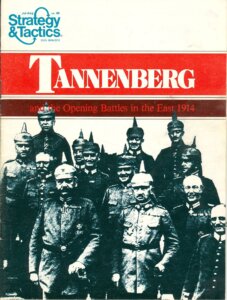
1978
Relive the opening moves of the 1914 Eastern Front in a tense campaign.
180
minutes
Medium Heavy
View game
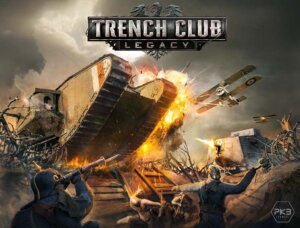
2024
Command tanks and troops in a highly variable alternative-history WWI strategy game.
240
minutes
Medium
View game
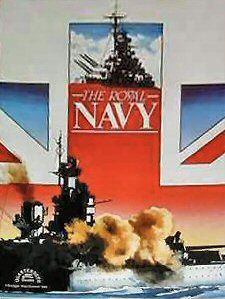
1984
Command surface fleets across WWI and WWII night and daylight actions.
120
minutes
Medium
View game
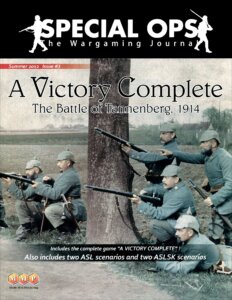
2011
Command a fast-paced clash of maneuver, timing, and local superiority.
210
minutes
Medium
View game
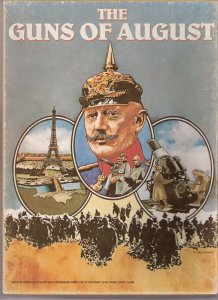
1981
Command vast armies across every major theater of World War I.
1080
minutes
Medium Heavy
View game
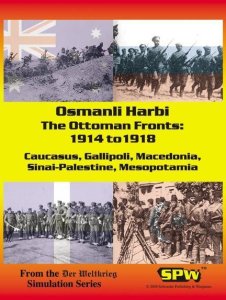
2009
Command five Ottoman Empire fronts across the First World War
360
minutes
Medium Heavy
View game
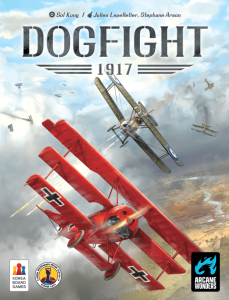
2025
Outmaneuver rival pilots in a tense WWI aerial duel.
30
minutes
Medium
View game
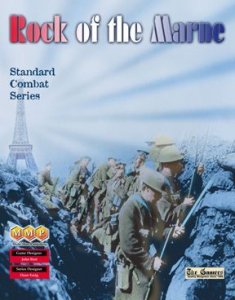
2008
Command desperate WWI offensives, stubborn defenses, and a crushing Allied counterattack.
180
minutes
Medium
View game
2020
Command your cards, control countries, and outscore your rival.
30
minutes
Medium
View game
2017
Race through the Alps as attrition and reinforcements shape a pivotal 1916 offensive.
240
minutes
Medium
View game
2011
Relive the first tank battle and the fierce fight for Villers-Bretonneux.
240
minutes
Medium
View game
2015
Rewrite the opening campaigns of World War I on land and under fog of war.
200
minutes
Medium
View game
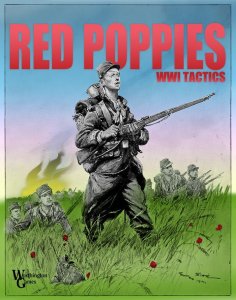
2010
Command companies and platoons across the Western Front in WWI.
90
minutes
Medium
View game
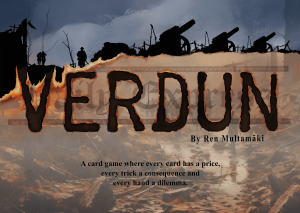
2025
A tense World War I card battle of timing, sacrifice, and survival
30
minutes
Medium
View game
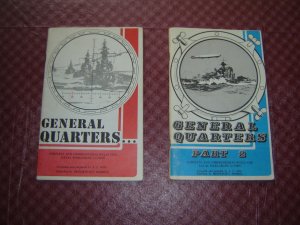
1975
Classic naval miniatures rules covering World War I and World War II
240
minutes
Medium
View game
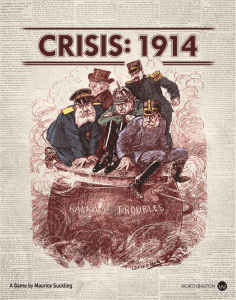
2024
Navigate diplomatic brinkmanship before tension overwhelms your nation.
120
minutes
Medium
View game
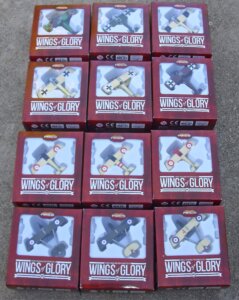
2012
Add iconic WW1 aircraft, painted and ready to fly, to your collection.
30
minutes
Medium
View expansion
2011
Enter the Labyrinth of Minos and battle through its dangerous tunnels.
60
minutes
Medium
View expansion
2008
Expand aerial battles with new aircraft and maneuver decks
30
minutes
Medium Light
View expansion
2008
Expand your air force with three manoeuvre decks and early fighter aircraft.
30
minutes
Medium Light
View expansion
2010
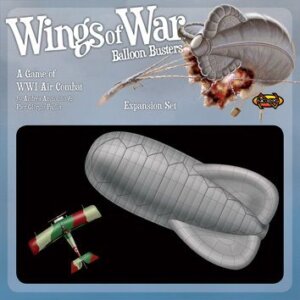
Add a balloon, rockets, and new missions to your Wings of War battles.
30
minutes
Medium
View expansion
2008
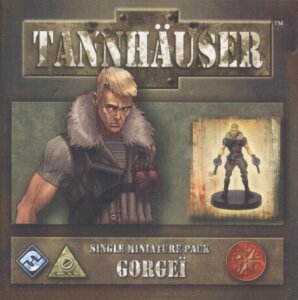
Add Russian mercenary Gorgeï and an introductory scenario to Tannhäuser.
60
minutes
Medium Light
View expansion
2022
Twelve Western Front scenarios, a Verdun campaign, new maps, and units.
180
minutes
View expansion
2011
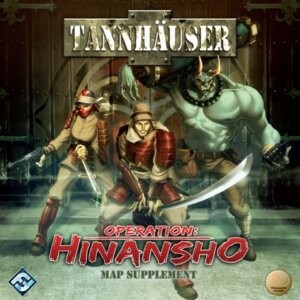
Explore secret bases, hidden positions, and explosive new battlefields.
120
minutes
Medium
View expansion
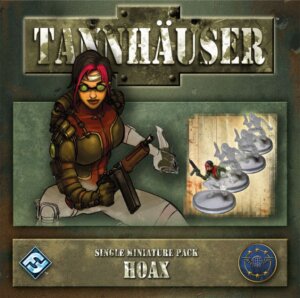
2010
Send Hoax’s translucent decoys into the shadows and strike without warning.
60
minutes
Medium
View expansion
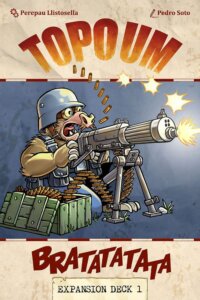
2016
A focused expansion deck with new card types, an Event card, and player aids.
90
minutes
Medium
View expansion
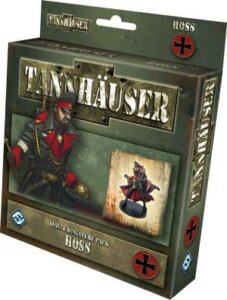
2011
A powerful reality-bending descendant joins the Reich
60
minutes
Medium Light
View expansion
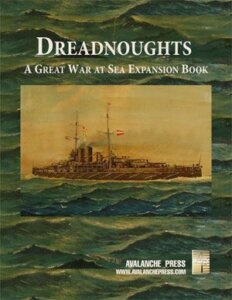
2004
Expand Great War at Sea with new fleets, scenarios, and advanced combat rules.
60
minutes
Medium
View expansion
A World War I board game simulates the military, logistical, or human struggles of the 1914 to 1918 global conflict. Instead of rapid sweeps across the map, gameplay typically emphasizes the grueling realities of trench warfare, attrition, and defensive friction. Players must balance dwindling resources and high casualties while seeking tactical breakthroughs or negotiating complex wartime politics.
World War I games center on defensive stalemates and attrition rather than rapid mechanized maneuvers. While Second World War titles highlight mobile armored divisions and fast combined-arms blitzes, Great War games emphasize heavy fortifications, artillery preparation, and costly territorial gains measured in yards. Strategic success relies on timing, endurance, and knowing when to commit precious reserves to a fortified line.
Beginners should start with accessible card-driven games or streamlined tactical systems rather than multi-map operational simulations. For a cooperative challenge centered on soldier survival, The Grizzled plays in roughly 30 minutes with straightforward rules. If you prefer light aerial dogfights, Wings of War: Famous Aces offers fast, visual tactical movement that takes only 20 minutes to resolve.
Yes, several Great War titles are designed specifically for solitaire play. Dedicated solo games like Pocket Landship: Free Trial Version simulate early armored combat in quick 5-to-20-minute sessions. Another dedicated option is Wipers Salient, which tasks a single player with holding critical defensive lines against escalating enemy pressure.
World War I games are exceptionally well-suited for two players because the historical conflict often boiled down to head-to-head clashes between opposing alliance blocs. Dueling pilots can jump into fast maneuver games like Ace of Aces: Handy Rotary Series, which is designed purely for two. The rigid nature of front lines and tug-of-war borders makes 1-on-1 matches intensely competitive and tactically focused.
Most World War I games are not suited for traditional family play due to their bleak themes of industrial slaughter and moderately complex rule systems. However, lighter games focused on aerial maneuvers can work well with older kids aged 10 and up. For example, Dogfight offers approachable biplane combat without dwelling on the grimness of the trenches.
Playing time ranges from brief 20-minute tactical exercises to sprawling multi-hour operational wargames. Compact tactical titles and aerial dogfight games typically finish in under 45 minutes. In contrast, grand strategic campaigns like Paths of Glory or The Guns of August can demand six to eight hours or more to simulate the full scope of the war.
Experienced players should look toward medium-heavy and heavy historical simulations that model logistics, diplomatic mobilization, and front-line friction. The card-driven classic Paths of Glory is widely recognized for its deep strategic decisions across the European theater. Another standout is Fields of Despair: France 1914-1918, which uses wooden blocks to simulate fog of war and trench breakthroughs over a three-hour playtime.
Yes, early aerial warfare is a prominent sub-genre within World War I gaming. Titles like Wings of War: Watch Your Back! simulate biplane dogfights using planned maneuver decks and firing rulers. For gamers seeking extreme historical fidelity, Bloody April, 1917: Air War Over Arras, France provides a heavy, detailed hex-and-counter simulation of air operations.
The most common mistake is launching premature offensive assaults before wearing down the opponent’s entrenched defenses. Fortified positions and machine gun fire make attacking disproportionately lethal, quickly draining attackers of their limited reinforcements. Disciplined players focus on building supply stability, timing artillery strikes, and forcing the defender to spend resources before attempting a breakthrough.
Yes, several designs accommodate larger groups by assigning each player control of a specific major power. Quartermaster General: 1914 is best with five players and emphasizes team-based logistical coordination between the Central Powers and the Allies. For even larger tables, Axis & Allies: WWI 1914 supports up to eight players and plays best with six dividing control of the global conflict.
