
Earth Reborn
2010
A post-apocalyptic conflict of missions, miniatures, and cunning interruptions.
180
minutes
Medium Heavy

View game

Rules made simple, fun made easy!
Secret Unit Deployment is a mechanic where players position their pieces on the board without revealing their identity, strength, or exact coordinates to opponents. This introduces a fog of war that forces players to anticipate threats and plan around incomplete information.
551 results
At its core, secret unit deployment replaces open board clarity with uncertainty and psychological tension. Instead of seeing an opponent’s entire army lined up in plain sight, you might face face-down tokens, screens, hidden boards, or dummy counters. You know a presence exists in an area, but you do not know whether it represents an elite squad, a scout, or an empty bluff until an engagement occurs.
This mechanic dramatically changes table dynamics by rewarding reconnaissance and tactical caution over pure math. Games featuring hidden placement simulate operational intelligence, turning initial moves into a cat-and-mouse game where bluffing and positioning matter just as much as raw combat strength.
Elements of the game may favor certain choices or players.
69 gamesPlayers use logic to solve hidden information.
537 gamesPlayer movements are concealed from opponents.
133 gamesPlayers’ scores are not revealed until the end.
149 gamesPlayers must remember hidden or revealed information to gain an advantage.
652 gamesThis mechanism is ideal for players who enjoy mind games, deduction, and high-tension tactical maneuvering rather than pure, open-information puzzles. Titles using secret deployment lean primarily toward medium to medium-heavy complexity, making them especially popular with strategy enthusiasts and wargamers who value thematic tension over absolute predictability.
2010
A post-apocalyptic conflict of missions, miniatures, and cunning interruptions.
180
minutes
Medium Heavy
View game

2023
Track a hidden Beast, draft cards, and outwit the hunters.
120
minutes
Medium Heavy
View game

2017
Claim the Emerald Empire through strategy, conquest, and honorable play.
90
minutes
Medium

View game
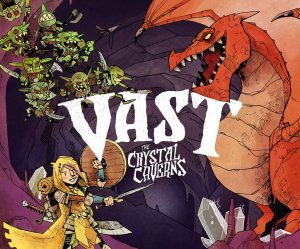
2016
A deeply asymmetric struggle among knight, goblins, dragon, and living cave
150
minutes
Medium Heavy
View game

2024
Race valuable adventurers to safety before the island disappears.
45
minutes
Light

View game
2017
A tense two-player chase of hidden cards and careful guesses
20
minutes
Medium Light

View game

2024
A tense asymmetrical hunt of bluffing, camouflage, and clever choices.
60
minutes
Medium
View game

2004
Outmaneuver Europe and survive the Seven Years War
210
minutes
Medium Heavy
View game
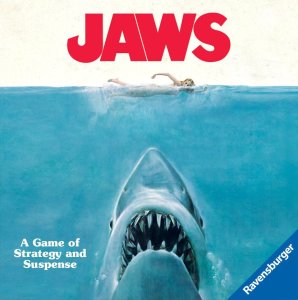
2019
Hunt the shark, save swimmers, and survive the battle aboard the Orca.
60
minutes
Medium
View game

2007
Recreate Austerlitz with bold decisions, hidden information, and no dice
180
minutes
Medium Heavy
View game

2017
Draft a kingdom, command its forces, and write a legend across four rounds.
30
minutes
Medium
View game
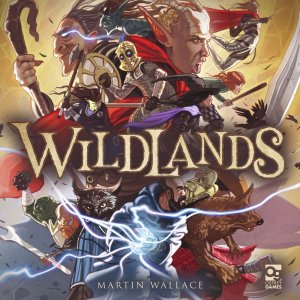
2018
A tactical fantasy skirmish of rival factions, cards, treasure, and survival.
60
minutes
Medium
View game
2021
A focused starting point for learning and growing your Netrunner collection.
45
minutes
Medium Heavy
View game
1983
Lead an American squad through unpredictable solo missions in wartime France.
240
minutes
Medium Heavy
View game
2019
Build your crew, evade the guards, and rise to power inside Kulbak Prison.
90
minutes
Medium
View game
2010
Command legions, seize Mediterranean strongholds, and fight for Rome.
180
minutes
Medium
View game
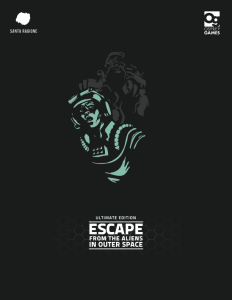
2010
Bluff, deduce, and survive the hunt in a darkened spaceship.
45
minutes
Medium Light
View game
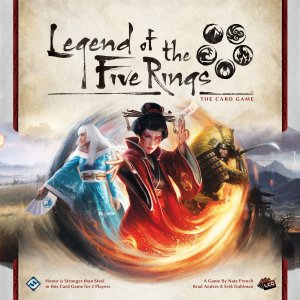
2017
Shape Rokugan's fate through honor, intrigue, magic, and warfare.
90
minutes
Heavy

View game

2004
Outmaneuver rivals in a shifting dungeon of rooms, powers, and peril.
60
minutes
Medium
View game
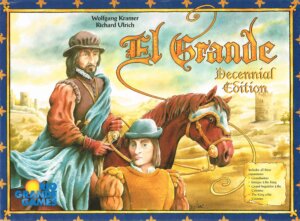
2006
Command caballeros, outmaneuver rivals, and dominate medieval Spain.
90
minutes
Medium
View game
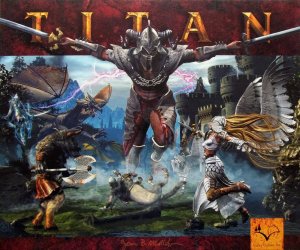
1980
Command mythical legions, recruit monsters, and fight for the last Titan standing.
240
minutes
Medium Heavy
View game
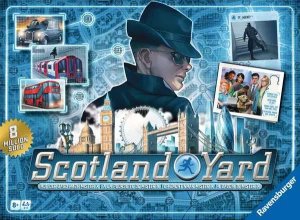
1983
Track a hidden fugitive across London while detectives close in
45
minutes
Medium Light
View game
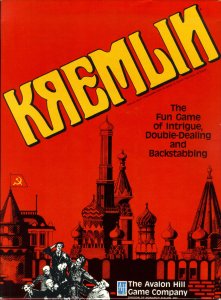
1986
Outmaneuver rivals in a satirical Soviet Politburo power struggle.
75
minutes
Medium
View game
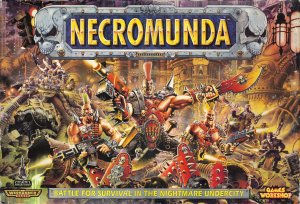
1995
Lead a gang through the hive underworld and fight for supremacy.
30
minutes
Medium Heavy
View game
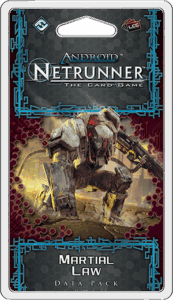
2016
Shock and awe reshape a city consumed by chaos.
45
minutes
View expansion
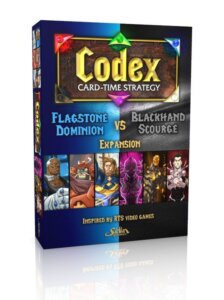
2016
Bring Flagstone Dominion and Blackhand Scourge heroes, spells, and units to Codex.
45
minutes
Heavy
View expansion
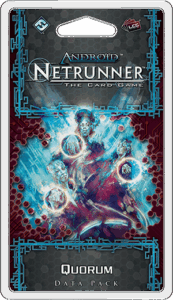
2017
Sixty cards push Corps, Anarchs, Criminals, and Shapers into a new era.
45
minutes
View expansion
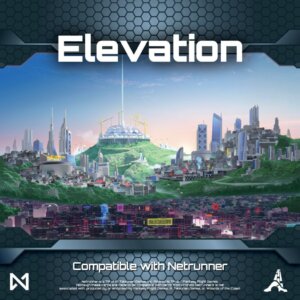
2025
Raise the stakes in a space elevator megacity built for stories of your own.
30
minutes
Medium Heavy
View expansion
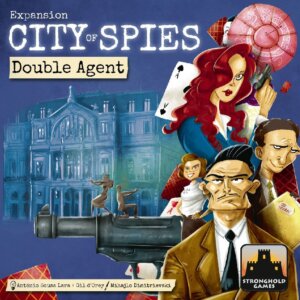
2017
Expand your spy network with new agents, locations, and double-agent tactics.
60
minutes
Medium
View expansion
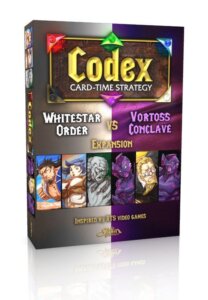
2016
Expand your strategy with Whitestar and Vortoss heroes, spells, and units.
45
minutes
View expansion
2019
Recruit a runaway Heirs defector as a mercenary for your army.
180
minutes
Medium Heavy
View expansion
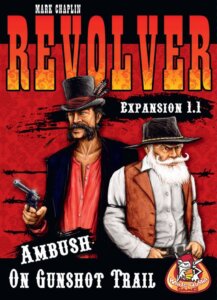
2012
Set ambushes, customize decks, and decide who controls Gunshot Trail.
45
minutes
Medium
View expansion
2017
Mars, corporate ambition, and a choice that could divide the Clans.
View expansion
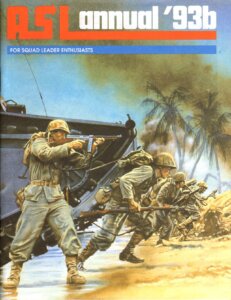
1993
Advanced Squad Leader scenarios and a Gavutu-Tanambogo mini-HASL campaign
Heavy
View expansion
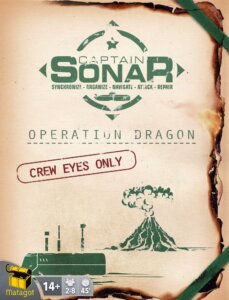
2019
Dive into a seven-mission campaign and customize every crew’s adventure.
60
minutes
Medium
View expansion
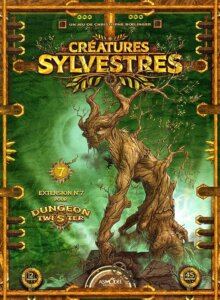
2007
Bring woodland magic and new threats into the Dungeon Twister maze.
45
minutes
Medium Heavy
View expansion
Secret unit deployment is a mechanic where players place game pieces on the board while hiding their identity, combat strength, or exact role from opponents. Rather than viewing every opposing force in plain sight, players position units face-down, behind cardboard screens, or as disguised counters. This introduces a tactical fog of war where you must anticipate enemy plans and deduce threats before committing to battle.
While hidden movement conceals the physical path and location of a piece traveling across the board, secret unit deployment conceals the identity, rank, or defensive nature of units stationed in known spaces. In a game like Stratego, both players see exactly where every piece stands, but neither knows which piece is a powerful officer, a scout, or a trap until combat occurs. Secret deployment is about concealing combat strength and tactical posture rather than tracking unseen coordinates.
For players new to the mechanic, accessible titles like Good & Bad Ghosts and Stratego offer straightforward rules with minimal setup friction. Both are two-player games that take 15 to 45 minutes and focus entirely on the fun of bluffing with face-down pieces. Another fast, lightweight option is Rumble in the House, which supports up to six players in quick 20-minute rounds.
Yes, two-player setups are often the most compelling format for secret unit deployment because they create a sharp, direct battle of wits. Two-player games such as Fugitive and Good & Bad Ghosts thrive on psychological reads, deceptive posturing, and deduction. Without third-party interference, every hidden piece you deploy directly challenges your opponent’s risk assessment.
Lighter games using secret deployment work very well for families, especially when they turn hidden information into a playful guessing game rather than a grueling calculation. Titles like Survive The Island and Good & Bad Ghosts have a minimum age rating of 8 and play in 15 to 45 minutes. The excitement of revealing hidden values keeps younger players engaged without overwhelming them with rules.
Experienced players usually look for titles that combine hidden deployment with deep tactical planning, hand management, or operational maneuvering. In the asymmetrical card game Android: Netrunner, the defending player deploys unrevealed defensive programs and agendas to lure their rival into deadly ambushes. For complex historical conflicts, heavy titles like Imperial Struggle and Advanced Squad Leader integrate hidden units into grueling multi-hour campaigns.
Pure secret unit deployment is rare in solo board games because an automated system or bot cannot easily conceal intent or bluff against you without clunky bookkeeping. The mechanic relies fundamentally on psychological tension and imperfect knowledge between live opponents. While some hybrid games include automated solo modes, the core experience is designed for head-to-head or group play.
Game lengths vary significantly based on rules complexity, ranging from 15-minute fillers to multi-hour wargames. Snappy card-driven duels like Fugitive wrap up in 5 to 20 minutes, whereas real-time team games like Captain Sonar take around 45 to 60 minutes. Deep tactical simulations such as Imperial Struggle can require two to four hours of focused play.
The most effective strategy is to mix high-value threats with convincing decoys so your opponent cannot predict your intentions. If you only play aggressively with your strongest pieces, observant rivals will deduce their identity immediately and avoid engagement. Moving lower-value units with apparent confidence forces opponents to burn defensive resources or make cautious mistakes.
The most common issue is making an illegal unit placement behind your screen or in private, which can spoil a match once pieces are revealed later. Another trap is committing too many resources to transparent bluffs, leaving your actual scoring units undefended. Taking time during the private setup phase to double-check layout rules prevents game-breaking mistakes before combat starts.
