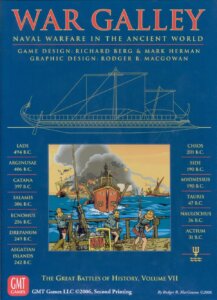
War Galley: Naval Warfare in the Ancient World
1999
Command ancient fleets through iconic Mediterranean naval battles.
360
minutes
Medium Heavy

View game

Rules made simple, fun made easy!
The Ancient theme places board games in classical antiquity and the earliest eras of recorded history, from prehistoric settlements to classical Mediterranean and Asian empires. Players typically guide burgeoning societies through territorial conquest, monument construction, and resource trade.
937 results
Games set in the ancient world immerse players in the dawn of organized civilization, spanning cultures like Egypt, Greece, Rome, and ancient Mesopotamia. Rather than managing mechanized industry or modern trade, the focus centers on raw expansion, territorial claims, and foundational cultural achievements.
At the table, this setting provides an intuitive foundation for grand strategy. Players immediately understand the stakes of securing trade routes, appeasing pantheons, and fielding phalanxes or legions, making sprawling conflicts and engine-building feel grounded in relatable human ambition.
This setting primarily attracts strategy enthusiasts and history buffs who enjoy calculated empire-building and tactical positioning. The vast majority of these titles sit firmly in the moderate to medium-heavy complexity bracket, making them ideal for hobbyists who appreciate rich decisions without necessarily diving into grueling simulation rules, though lighter introductions and deeply complex wargames also exist across the spectrum.
1999
Command ancient fleets through iconic Mediterranean naval battles.
360
minutes
Medium Heavy
View game
2013
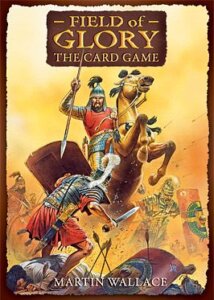
Build your army, outmaneuver your rival, and seize three battlefields.
30
minutes
Medium Light

View game
2025
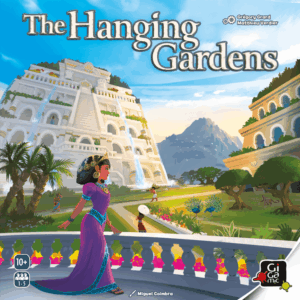
Build connected garden spaces, fulfill objectives, and outscore rival gardeners.
30
minutes
Medium

View game

2012
Build a Macedonian or Persian army and fight across three shifting fronts.
30
minutes
Medium Light
View game
2004
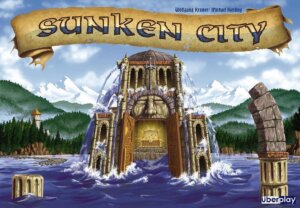
Raise a lost city, build paths, and claim ancient treasure before Neptune strikes.
45
minutes
Medium Light
View game
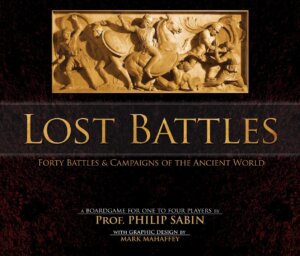
2011
Refight 40 ancient battles and campaigns from Marathon to Pharsalus.
140
minutes
Medium Heavy
View game
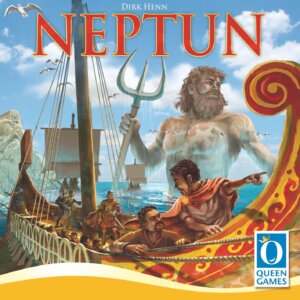
2014
Plot your route, deliver contracts, and earn the temples’ favor.
45
minutes
Medium
View game

2012
Build, assign workers, and outmaneuver rivals for the Khan's favor.
70
minutes
Medium
View game

2025
Lead a civilization to fame through conquest, buildings, and crucial card choices.
45
minutes
Medium
View game
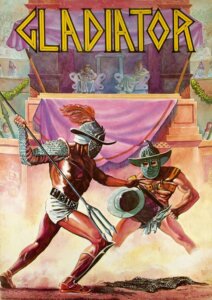
1981
Plot your moves, outwit your rival, and fight for survival in the arena.
30
minutes
Medium
View game
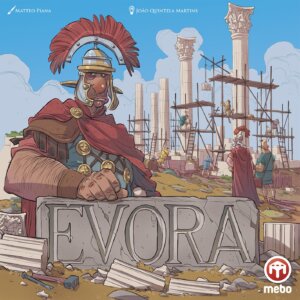
2022
Build Roman columns, wield influence, and earn prestige in ancient Évora.
60
minutes
Medium
View game

2024
Command ancient factions, balance your ranks, and outmaneuver rivals.
45
minutes
Medium
View game

2022
Command 20 chronological battles spanning Rome’s rise, Gaul, civil war, and Britannia.
360
minutes
Medium Heavy
View game
2016
Shape a shifting market, grow your lands, and outmaneuver rival farmers.
90
minutes
Medium
View game

2006
Outrun the Visigoth and build a career amid Rome’s collapse
60
minutes
Medium
View game
2018
Lead a heroic warband and forge a legend on the battlefield
320
minutes
Medium
View game
2003
Build Maya pyramids, move stone, and claim gold in a tactical card game.
90
minutes
Medium
View game
2024
Explore islands, build your civilization, and claim the most gold.
60
minutes
Medium
View game
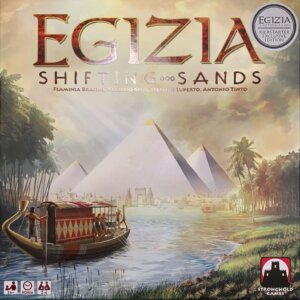
2019
Navigate a shifting Nile and build Egypt’s most famous monuments.
90
minutes
Medium Heavy
View game

2001
Divert rivers, build irrigation networks, and rule the wealthiest kingdom.
180
minutes
Medium Heavy
View game

2016
Command warriors, leaders, and fate itself in a tactical duel over Troy.
30
minutes
Medium
View game

2012
Lead legendary armies through epic battles in chaotic Mythic Greece.
45
minutes
Medium
View game

2015
Cooperate, choose your path, and face the Bull Demon King.
75
minutes
Medium
View game
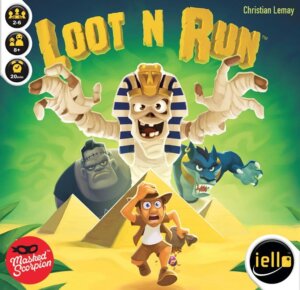
2016
Bluff, push your luck, and escape the pyramids with valuable treasure.
30
minutes
Light

View game
1995
Relive four major battles from the turbulent wars of Alexander’s successors.
240
minutes
Medium Heavy
View expansion
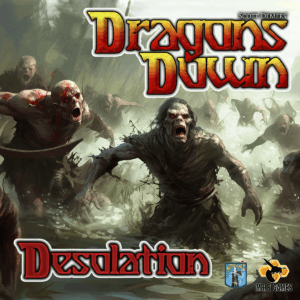
2024
Expand your adventure with sinister swamps, perilous plains, and new heroes.
180
minutes
Medium
View expansion
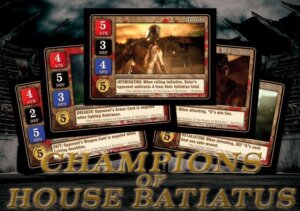
2014
Add five former promo Gladiators to the Spartacus board game.
150
minutes
Medium Light
View expansion
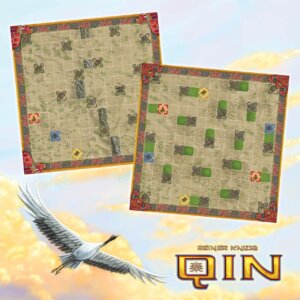
2013
A double-sided expansion with a mountain range and paddy fields
30
minutes
Medium
View expansion
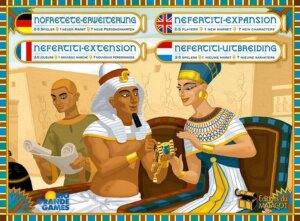
2009
Expand the Egyptian auction game with Memphis, new characters, and more ways to play.
45
minutes
Medium
View expansion

2019
Add flexible decoration tiles with a choice of temple advancement
120
minutes
Medium
View expansion
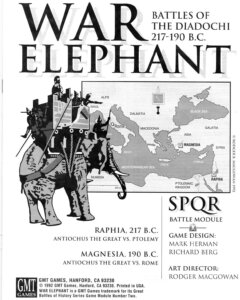
1992
Recreate two major Seleucid battles from the late Diadochoi period.
240
minutes
Medium Heavy
View expansion
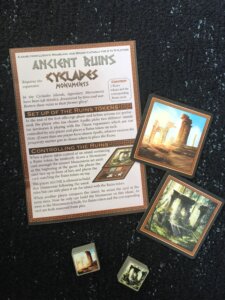
2016
Claim forgotten ruins and unlock a monument tied to the island.
90
minutes
Medium Heavy
View expansion
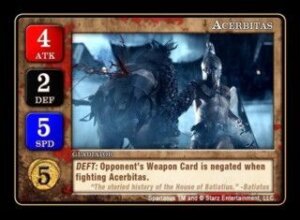
2012
Add legendary gladiator Acerbitas and negate an opponent’s Weapon Card.
150
minutes
Medium
View expansion
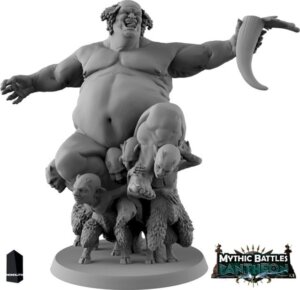
2018
Disrupt the battlefield with opulence, chaos, and intoxicating control.
90
minutes
View expansion
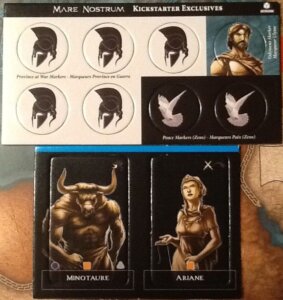
2016
A compact collection of heroes and special counters from the 2016 Kickstarter edition.
120
minutes
View expansion
2014
Add a Faun race and mythic puns to your Munchkin adventures.
90
minutes
Medium Light
View expansion
Ancient-themed board games are tabletop games set in classical antiquity and the earliest eras of recorded history, from prehistoric settlements to classical Mediterranean and Asian empires. Rather than managing industrial machinery or modern commerce, players navigate the dawn of civilization through territorial expansion, agricultural logistics, and foundational cultural achievements. These games emphasize core human ambitions like constructing monumental wonders, claiming fertile land, and organizing early civic systems.
The Ancient theme focuses specifically on classical antiquity, city-state rivalries, and the origins of structured society rather than feudal courts or global history. While general civilization games span from the Stone Age to modern space exploration, ancient games keep players grounded within eras like the Bronze and Iron Ages. Medieval games emphasize castles, chivalric orders, and middle-era feudalism, whereas ancient titles highlight early phalanxes, triremes, and classical pantheons.
Lightweight titles like 7 Wonders: Architects and Akropolis are great starting points, offering quick playtimes of 20 to 30 minutes and intuitive rules. Both games are suitable for players as young as age 8, focusing on building ancient monuments and city districts with minimal friction. For an even quicker card game experience, Archaeology: The Card Game provides accessible set collection in about 20 minutes.
Yes, classical antiquity is home to some of the sharpest dedicated two-player designs in the hobby. For tactical card combat, Battle Line offers a tense 30-minute duel over ancient battle flags. If you prefer spatial play, Santorini delivers a fast-paced 20-minute abstract match of positioning workers and erecting domed towers on a Greek cliffside.
Yes, many ancient games include dedicated solo modes that range from light puzzles to massive campaigns. Lighter games like Roll Through the Ages: The Bronze Age and Shifting Stones feature official solo rules that challenge you to maximize score efficiency in under 45 minutes. For heavy, narrative-driven strategy, Aeon Trespass: Odyssey is voted best as a solo experience exploring an expansive, myth-infused ancient world.
Heavy ancient games offer deeply interwoven logistical systems, strict action budgeting, and punishing operational efficiency. Titles like Tzolk’in: The Mayan Calendar and Teotihuacan: City of Gods challenge players with intricate resource timing and multi-turn planning that takes 90 to 120 minutes. For history enthusiasts seeking deep military and political conflict, Pendragon: The Fall of Roman Britain delivers an intense, multi-hour asymmetric struggle over declining imperial territory.
No, many ancient-themed titles bypass warfare entirely to focus on civil engineering, trade routes, and mythic quests. For instance, Dice Forge centers on rolling customizable dice to earn heroic rewards rather than battling other players. Similarly, Concordia replaces army battles with peaceful Mediterranean trade, city settlement, and diplomatic card play over a 100-minute session.
Session length varies widely depending on complexity, ranging from brisk 15-minute dice rollers to all-afternoon political simulations. Fast-paced titles like Age of War play in just 15 to 30 minutes, while mid-weight tactical battlers like Kemet run for 90 to 120 minutes. At the far end of the spectrum, grand senate simulations such as The Republic of Rome can extend to 300 minutes.
A common pitfall is overexpanding your borders before securing a resilient economic and logistical foundation. Rapid territorial growth often leaves provinces vulnerable to incursions or leaves you without the actions needed to collect resources. Balancing basic production early on ensures you have the sustained supply lines required to build late-game monuments and defend your holdings.
Yes, many entry-level ancient games have simple rules and clear visual feedback that suit kids as young as age 8. Games like 7 Wonders: Architects and Santorini present clean objectives—such as assembling cardboard wonders or stacking 3D plastic towers—without relying on heavy text or violent themes. These designs help young players practice spatial reasoning and long-term planning within friendly 20- to 25-minute sessions.
Monument construction reflects how early civilizations historically projected power, stored surplus wealth, and celebrated civic achievements. In gameplay, erecting pyramids, temples, or wonders provides tangible milestones and structured set collection goals that drive endgame scoring. In complex titles like Tekhenu: Obelisk of the Sun, constructing sacred buildings directly integrates resource drafting with cultural prestige and divine favor.
