
Star Trek: Galactic Enterprises
2018
Trade, negotiate, and outmaneuver rival Ferengi for the greatest profit.
45
minutes
Medium Light

View game

Rules made simple, fun made easy!
Negotiation games center on direct verbal dealmaking, where players trade resources, forge fragile alliances, and barter favors to advance their positions.
571 results
At its core, negotiation shifts the main puzzle of the game away from the board and directly into the social space between players. Rather than relying solely on optimal mechanical moves, your success depends on reading motivations, crafting mutually beneficial compromises, and convincing rivals that helping you serves their own interests.
This dynamic creates unmatched table tension because the state of play is constantly fluid. Agreements can range from open trade of cards and currency to non-aggression pacts and coordinated strikes, making communication, leverage, and timing just as critical as any physical component.
Negotiation titles are best suited for lively, conversational groups who enjoy table talk, bluffs, and shifting loyalties without taking betrayals personally. In terms of weight, the category leans solidly into the medium to medium-heavy range, offering robust mechanical frameworks underneath the social layer, though lighter bartering experiences exist for casual gatherings.
2018
Trade, negotiate, and outmaneuver rival Ferengi for the greatest profit.
45
minutes
Medium Light
View game
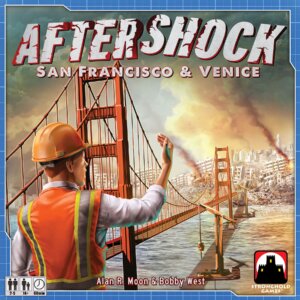
2019
Rebuild shattered cities through cards, deals, and area control.
60
minutes
Medium

View game

2009
Command an empire, navigate politics, and conquer planets across a ruthless future.
120
minutes
Medium Heavy

View game

2017
Trade boldly, plant wisely, and harvest beans for Talers.
45
minutes
Light

View game
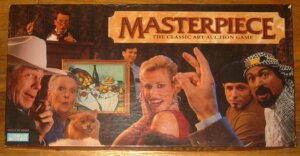
1970
Bid, bluff, and build the most valuable art collection
60
minutes
Light
View game
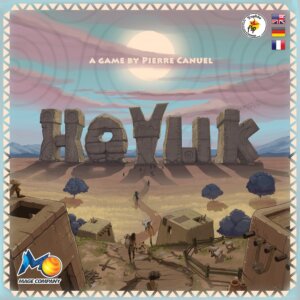
2006
Build a thriving Neolithic settlement and lead your clan to victory.
60
minutes
Medium
View game
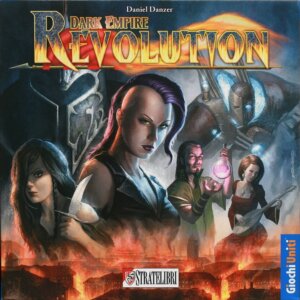
2013
Lead a faction, outwit the Emperor, and shape the revolution.
60
minutes
Medium
View game

2011
Shape Arctic policy, control mineral deposits, and outmaneuver rival companies.
120
minutes
Medium Heavy
View game
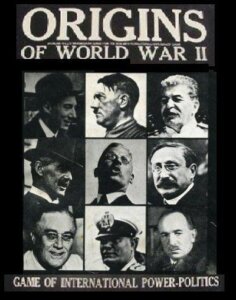
1971
Shape 1930s diplomacy and decide whether World War II begins
60
minutes
Medium
View game
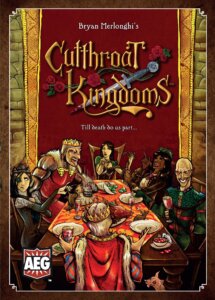
2017
Claim the crown through armies, alliances, intrigue, and decisive military moves.
150
minutes
Medium
View game
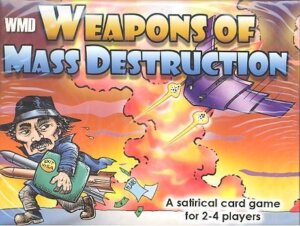
2004
A fast, satirical struggle for world domination by propaganda or nuclear force.
30
minutes
Light
View game
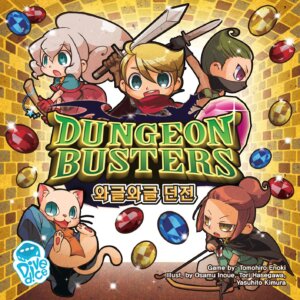
2014
Cooperate against monsters, then betray your allies for the richest reward.
20
minutes
Light
View game
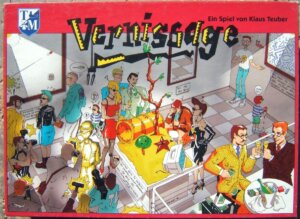
1993
Promote artists, contest fate, and win the gallery auction.
60
minutes
Medium
View game

2017
Build your entourage, invest in caravans, and become Araby's richest merchant.
90
minutes
Medium
View game

2027
Command vampires, raise the undead, and seize control of war-torn Romania.
120
minutes
Medium
View game
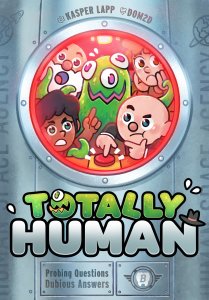
2026
Answer like a human, expose the aliens, and escape Earth alive.
15
minutes
Light
View game
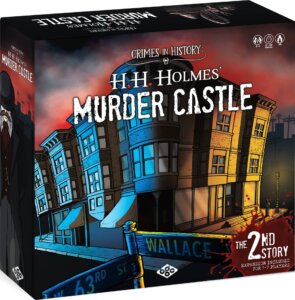
2021
Race through a booby-trapped murder castle to gather evidence and escape Holmes.
105
minutes
Medium
View game

2002
Forge shifting alliances and outplay your rivals for precious Crystals.
90
minutes
Medium
View game
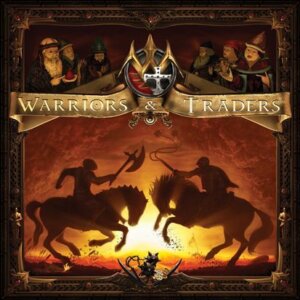
2011
Build an empire through trade, technology, conquest, and pure strategy.
120
minutes
Medium
View game

2004
Negotiate, bluff, and break alliances to seize the most valuable booty.
30
minutes
Medium
View game

2017
Manufacture Blue Sky, outmaneuver rivals, or bring the whole operation down.
120
minutes
Medium
View game

2017
Defend Murcia from a sweet invasion while rival heroes seek the glory.
45
minutes
Medium
View game
1986
Shape a turbulent age of exploration, colonization, negotiation, and war.
240
minutes
Medium Heavy
View game
2017
Scheme, bluff, and ruin rival virtuosos in a game of hidden goals.
30
minutes
Medium
View game
2022
Expand your cosmic encounters with campaigns, new aliens, technology, and more.
Medium Heavy
View expansion

1998
Two historical scenarios set in the worlds of Cheops and Alexander the Great
90
minutes
Medium
View expansion
2015
Add more stories and encounter events to the explore action.
Medium
View expansion
2023
Expand the basement adventure with 250+ cards, solo play, co-op, and Tainted characters.
60
minutes
Medium
View expansion
2001
Two historical settings bring new elements to a 90-minute Catan expansion.
90
minutes
Medium
View expansion

2014
Three modules add personal targets, mission reversals, and truth-seeking twists.
30
minutes
Medium
View expansion
2010
Add character abilities and fresh strategic choices to your Catan game.
90
minutes
Medium
View expansion
1999
A conspiracy-themed expansion packed with modern groups and bizarre new powers.
180
minutes
Medium
View expansion
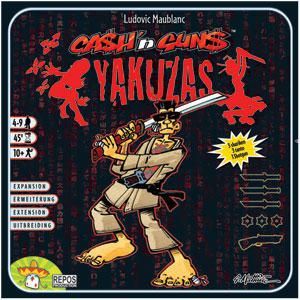
2007
Expand the game with new weapons, powers, objects, and support for 9 players.
45
minutes
Medium Light
View expansion
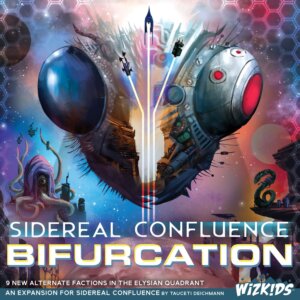
2022
Nine species, reimagined with fresh mechanisms and negotiation strategies
180
minutes
Heavy

View expansion

2012
Add Excalibur and Lancelot cards to expand every Quest with new choices.
30
minutes
Medium Light
View expansion
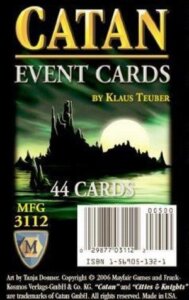
2005
Replace dice with a probability-balanced deck of events for Catan.
90
minutes
Medium Light
View expansion
A negotiation board game is a title where players must converse, trade, and forge agreements with one another to advance their game state. Instead of relying solely on on-board movements, players interact socially through bartering goods, coordinating alliances, or bribing opponents. Classic titles like Chinatown showcase this dynamic by turning property trades and open negotiations into the central engine of the game.
Negotiation games rarely function well with just two players because direct dealmaking becomes entirely zero-sum. When only two people compete, helping an opponent inevitably harms your own chances, which eliminates the leverage and shifting alliances that make trading rewarding. The genre shines with at least three to five participants, which is why games like Catan and Cosmic Encounter list best player counts of four or five.
Light and medium-light games with straightforward trade rules provide the smoothest entry point for newcomers. Bohnanza is an ideal introduction because its card order rules force players to barter beans actively, keeping turns brisk and friendly. For groups who prefer bluffing and bribery over pure trading, Ca$h ‘n Guns: Second Edition offers fast, 30-minute sessions suited for ages 10 and up.
Social deduction games revolve around unmasking hidden roles and deceit, whereas negotiation titles focus primarily on resource bartering, coordinated maneuvers, and deal terms. While social deduction uses verbal argument to expose or conceal loyalty, negotiation relies on mutual economic or strategic incentives to close a deal. Some games blend both elements, such as The Resistance: Avalon, where players must negotiate team selections under the pressure of hidden identities.
Whether a deal is binding depends entirely on the game’s rulebook, though most titles separate immediate transactions from future promises. Immediate trades—such as handing over cards or money in Chinatown—are generally binding and final upon exchange. In contrast, long-term promises like non-aggression treaties or future voting favors are typically non-binding, meaning betrayal remains an ever-present strategic risk.
Party-weight negotiation games thrive at higher counts by enabling simultaneous side conversations and chaotic group discussions. Two Rooms and a Boom accommodates up to 30 players and plays best with around 14, tasking two separate rooms with trading hostages to protect or target key leaders. Similarly, Ultimate Werewolf: Ultimate Edition supports massive tables with lively public debate and voting.
Experienced players looking for deep strategic weight should explore medium-heavy and heavy games that integrate diplomacy into expansive territorial or political systems. Twilight Imperium: Fourth Edition is renowned for galactic council votes and promissory note trades across an epic four-to-eight-hour runtime. For cutthroat military diplomacy, A Game of Thrones: The Board Game (Second Edition) challenges six players to navigate fragile alliances and inevitable backstabs.
Authentic negotiation games cannot be played solo because their core gameplay requires genuine human interaction, persuasion, and unpredictability. While some deep strategy games that include negotiation elements—such as Pax Pamir: Second Edition and Oath—include solo automa modes, automated opponents follow scripted flowchart rules rather than engaging in real bartering. To experience the social leverage that defines the genre, human table talk is required.
Kingmaking happens when a player out of contention uses their trades or votes to arbitrarily decide which rival wins the game. The best way to prevent this is by agreeing on table etiquette where all participants must negotiate strictly to maximize their own standing, rather than playing favorites. Choosing games with clear mechanical victory metrics helps keep participants focused on personal gains up to the final turn.
Table paralysis often occurs when players engage in circular haggling, which can be easily resolved by introducing strict time limits. Using a physical sand timer or a two-minute smartphone countdown during trading phases forces players to make decisive offers and close deals quickly. Structuring trades so that deals must conclude before the active player ends their phase keeps the game moving at a reliable tempo.
Playtimes range widely depending on the complexity of the rules, from under half an hour to full-day events. Compact, light games like Between Two Cities take roughly 25 minutes to resolve shared building decisions. On the heavy end of the spectrum, politically dense titles like Die Macher or Twilight Imperium: Fourth Edition regularly run from 4 to 8 hours.
Successful negotiators frame every proposal around what the other person stands to gain, rather than drawing attention to their own profit. It is vital to spread your trades among multiple opponents so that you avoid feeding resources to a single runaway leader. Building a reputation for reliability early in the game also makes other players far more willing to accept your deals during critical late-game rounds.
