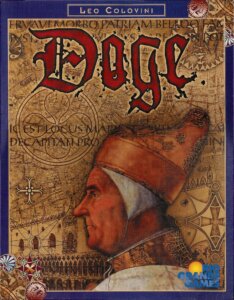
Doge
2000
Build Venetian palazzos and outmaneuver rivals through hidden influence
45
minutes
Medium

View game

Rules made simple, fun made easy!
The Political theme centers on the struggle for power, governance, and diplomatic influence, tasking players with passing laws, swaying elections, or steering nations through negotiation and statecraft.
498 results
In political games, players step into the roles of statesmen, faction leaders, or competing ideologies vying for authority. Instead of relying solely on physical conquest or resource accumulation, victory often hinges on manipulating levers of power, orchestrating compromises, and maneuvering through shifting allegiances.
At the table, this theme creates high social tension and emergent drama. Because authority usually requires consensus or calculated betrayal, the game board extends naturally into above-the-table conversation, where timing an alliance or exposing an opponent’s hidden agenda matters just as much as executing mechanical actions.
This theme suits gaming groups that relish debate, social maneuvering, and high player interaction. Because the vast majority of political designs lean toward medium to medium-heavy complexity—with a significant slice reaching heavyweight territory—they are best appreciated by experienced hobbyists comfortable parsing detailed rules, enduring longer playtimes, and handling tense table friction.
2000
Build Venetian palazzos and outmaneuver rivals through hidden influence
45
minutes
Medium
View game
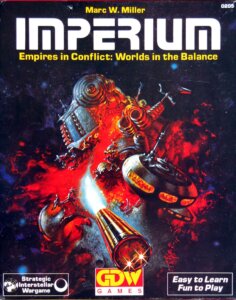
1977
A 22nd-century clash between Terra and the alien Ziru Sirka.
300
minutes
Medium
View game
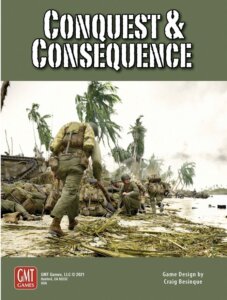
2021
Three rival powers battle for Asia through war, diplomacy, and daring strategy.
360
minutes
Medium Heavy

View game

1992
A standalone nuclear strategy card game with unique country powers
30
minutes
Light

View game
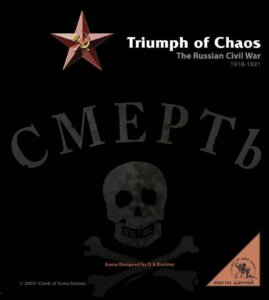
2005
Command Red or White forces through the Russian Civil War
480
minutes
Heavy

View game
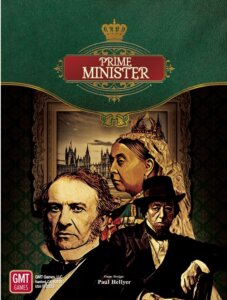
2023
Campaign, debate, and govern your way to Victoria’s Prime Ministerial seat.
180
minutes
Medium Heavy
View game
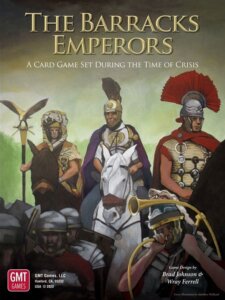
2023
Outmaneuver rivals in an innovative Roman trick-taking struggle for power.
120
minutes
Medium
View game
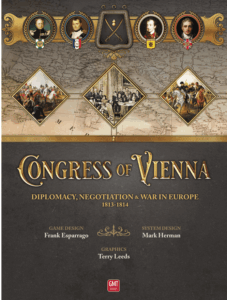
2025
Shape diplomacy and strategy as Europe confronts Napoleon’s fading empire.
360
minutes
Medium Heavy
View game
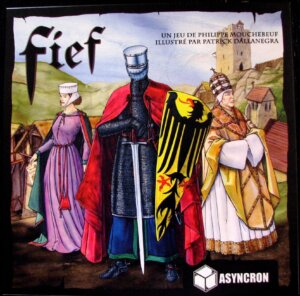
2011
Conquer, negotiate, and forge alliances in a medieval struggle for power.
120
minutes
Medium Heavy
View game
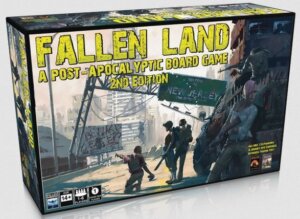
2023
Survive the wasteland, build your town, and outmaneuver rival factions.
300
minutes
Medium Heavy
View game
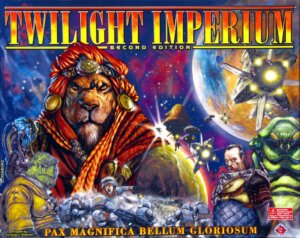
2000
Shape a unique galaxy through politics, warfare, trade, and technology.
240
minutes
Medium Heavy
View game
2024
Shape a new Swedish kingdom as power shifts at the end of the Viking age.
120
minutes
Medium
View game

2025
Bid for power, win tricks, and turn the hierarchy upside down.
30
minutes
Medium Light

View game
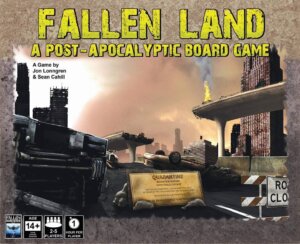
2017
Build a town, lead survivors, and outlast the ruinous aftermath.
300
minutes
Medium Heavy
View game
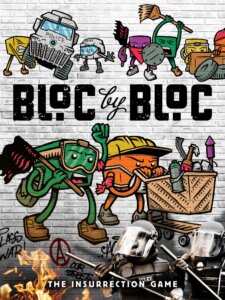
2016
Lead a faction through a shifting city in a tense semi-cooperative insurrection.
180
minutes
Medium
View game
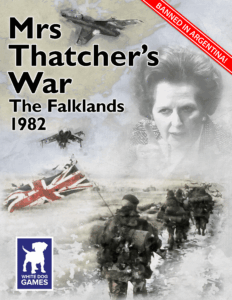
2017
Fight for the skies, then yomp across East Falkland toward Stanley.
250
minutes
Medium
View game
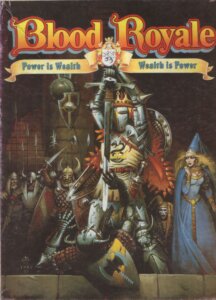
1987
Build a powerful medieval dynasty through wealth, diplomacy, and military influence.
240
minutes
Medium Heavy
View game

2006
Build your side’s deck and fight for Spain’s political and military objectives.
90
minutes
Medium Heavy
View game

1976
Explore, conquer, and build wealth and prestige across the New World.
420
minutes
Medium Heavy
View game
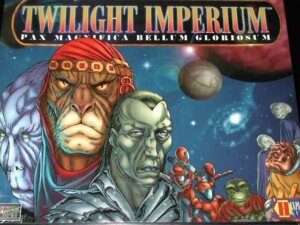
1997
Command a unique race, shape galactic politics, and dominate known space.
240
minutes
Medium Heavy
View game
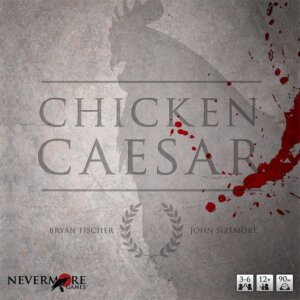
2012
Negotiate, bribe, and betray your way to the Roman chicken throne.
90
minutes
Medium
View game

2016
Govern Britannia through force, diplomacy, bribery, and careful administration.
90
minutes
Medium
View game
1985
Conquer cities, shape the Assembly, and forge alliances to claim the kingdom.
180
minutes
Medium Heavy
View game

2010
Defend the Commonwealth, grow your family’s power, and earn lasting prestige.
120
minutes
Medium Heavy
View game
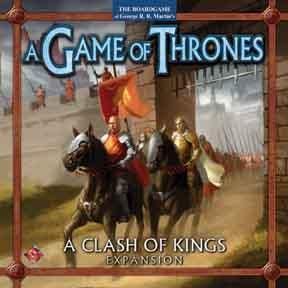
2004
Expand the struggle for Westeros with new houses, orders, ports, and fortifications.
180
minutes
Medium Heavy
View expansion
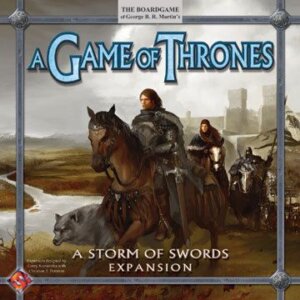
2006
Lead armies, sway neutral houses, and fight for King’s Landing.
180
minutes
Medium Heavy
View expansion

2025
Push the galaxy to the brink with new factions, worlds, and shifting events.
480
minutes
Heavy
View expansion
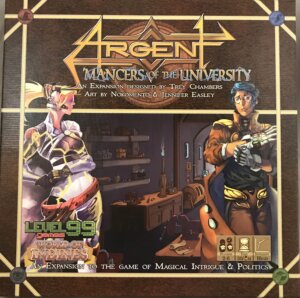
2015
Expand the university with technomantic magic, new rooms, and powerful additions.
180
minutes
Medium Heavy
View expansion
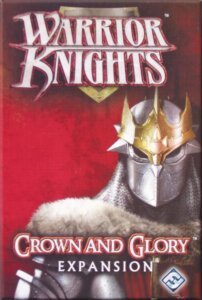
2007
Claim the crown, pursue missions, and strengthen your hold over the realm.
240
minutes
Medium Heavy
View expansion
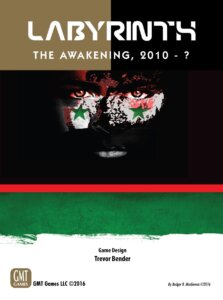
2016
Explore the Arab Spring and its aftermath in a strategic card-driven expansion.
Medium Heavy
View expansion

1997
A unified card system reshapes turn order, caballero access, and actions.
90
minutes
Medium Heavy
View expansion
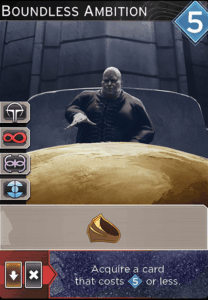
2021
A strategic promo card with signet-ring activation and a powerful unload effect.
120
minutes
Medium
View expansion
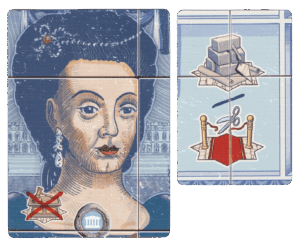
2020
A royal twist that replaces card 57 with the queen's intervention.
120
minutes
Medium Heavy
View expansion
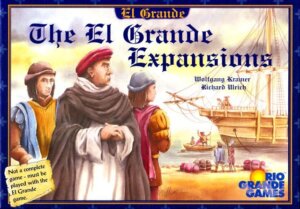
2000
Two major expansions reshape El Grande with new cards, regions, and actions.
90
minutes
Medium Heavy
View expansion
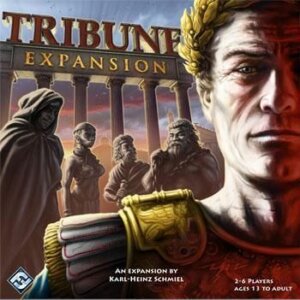
2008
Enter Rome’s shadowy power struggle as the ruthless Bruti pursue their ambitions.
90
minutes
Medium
View expansion
2010
Expand your influence with a powerful palace and four new influential people.
60
minutes
Medium
View expansion
Political board games center on the struggle for governance, diplomatic authority, and institutional control rather than direct military elimination or passive engine building. Players navigate shifting alliances, pass legislation, or sway regional voting blocs to secure victory. At the table, these games naturally generate social tension, as authority often requires negotiation, compromise, and calculated betrayals.
Fast-paced card and social deduction games like Coup and Secret Hitler are ideal entry points for newer players. Coup plays in about 15 minutes, teaching bluffing, elimination, and influence management with minimal rules overhead. For larger groups, Secret Hitler accommodates 5 to 10 players and focuses purely on voting, trust, and passing state policies.
Yes, two-player political games provide tense, head-to-head struggles centered on zero-sum influence and crisis management. For a focused duel, Watergate pits the press against an administration in a brisk 30 to 60-minute investigation battle. For a deeper historical experience, Twilight Struggle captures Cold War geopolitics across a gripping two to three-hour card-driven contest.
While wargames prioritize tactical troop maneuvering, logistics, and battlefield casualties, political games focus on legislative power, diplomatic treaties, and shifting loyalties. Even when military units appear on the map, as seen in Diplomacy or Pax Pamir: Second Edition, victories hinge primarily on negotiated pacts, coalition management, and strategic concessions.
Most political titles are not ideal for young families due to high interpersonal friction, complex rule sets, and potential backstabbing. The majority carry age ratings of 13 or 14 and demand comfortable handling of tense above-the-table conflict. However, accessible games like Age of War (ages 8+) or Oriflamme (ages 10+) offer lighter entry points without bitter social fallout.
Playtimes vary drastically depending on mechanical weight, ranging from 15 minutes to full-day sessions. Micro-games such as Coup: Rebellion G54 wrap up in roughly 15 minutes, whereas medium designs typically last one to two hours. In contrast, epic diplomatic titles like Junta or Twilight Imperium: Fourth Edition can span 4 to 8 hours.
Experienced hobbyists should look toward medium-heavy and heavy designs that simulate complex socio-political systems and shifting coalitions. Hegemony: Lead Your Class to Victory offers an asymmetric simulation of competing economic classes shaping national policy, while Oath explores the multi-generational rise and fall of an empire. Alternatively, Dune: Imperium combines worker placement with tense faction diplomacy and council influence.
Kingmaking occurs when an eliminated or trailing player possesses the power to unilaterally decide which opponent wins the game. Because political games feature voting blocs, mutual treaties, and open table negotiation, a third-party concession can easily crown a victor. Players can minimize kingmaking by pursuing their own highest possible score or keeping final victory point totals partly obscured.
While true political negotiation requires live human dynamics, several modern strategic games offer dedicated solo modes run by automated opponents. Games such as Dune: Imperium and Lisboa provide specialized card-driven bots that contest faction influence, court favors, and board control. However, games built around pure bluffing or social deduction cannot be played alone.
The most reliable strategy is managing table perception so you never appear as an existential threat until you are poised to win. Emerging as an early frontrunner invites collective retaliation and punitive voting from the rest of the table. Cultivate small, mutually beneficial trades, avoid vindictive plays, and retain enough leverage to make your vote indispensable in late-game negotiations.
Voting mechanics usually require players to wager cards, spend influence markers, or commit economic capital to determine legal or institutional outcomes. In legacy games like The King’s Dilemma, players bid power tokens on realm-defining moral choices while balancing national stability against private faction interests. In other designs, voting power scales based on the specific territories or parliamentary seats a player governs.
