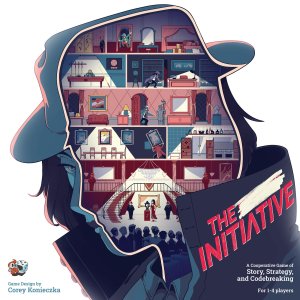
The Initiative
2021
A cooperative mystery of comic-book storytelling and code-breaking
60
minutes
Medium

View game

Rules made simple, fun made easy!
The Spies and Secret Agents board game theme drops players into worlds of covert operations, espionage, and undercover missions. These games emphasize tactical deception, gathering intelligence, and staying one step ahead of rival operatives.
238 results
At the table, secret agent games transform the atmosphere by making information a weapon. Players step into the shoes of handlers, field operatives, or rival intelligence agencies where motives are rarely transparent and loyalty is never guaranteed. The tension builds from what remains unsaid, forcing participants to read body language and weigh every quiet gesture.
This theme thrives because it pairs high-stakes narrative flavor with sharp interactive dynamics. Whether infiltrating a secure compound, cracking encrypted codes, or unmasking an undercover mole in your ranks, the setting turns routine mechanics into suspenseful, cinematic decisions.
This theme is an ideal fit for gaming groups that love social deduction, tactical bluffing, and puzzle-solving under pressure. Most espionage titles sit comfortably in the light to medium complexity range, making them accessible to casual groups and families while still providing enough analytical depth to satisfy dedicated strategists looking for a tense tactical challenge.
2021
A cooperative mystery of comic-book storytelling and code-breaking
60
minutes
Medium
View game

2022
Lead a robot team through corporate strongholds in a tense puzzle infiltration.
180
minutes
Heavy

View game

2017
Investigate ten Victorian London cases and try to outsmart Holmes.
90
minutes
Medium
View game

2016
A community-chosen clash of Sharks, Superheroes, Dragons, and more
60
minutes
Medium
View game

2011
Survive the mission, expose the infected, and betray at the perfect moment.
75
minutes
Medium
View game

2016
Lead an Allied commando team through stealthy WWII sabotage missions.
180
minutes
Medium
View game

2021
Coordinate bold casino heists under daylight security
70
minutes
Medium
View game

2016
Uncover the wires, protect your secret identity, and decide the bomb’s fate.
30
minutes
Light

View game
2016
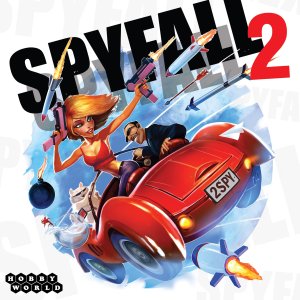
Ask clever questions, spot the spies, and bluff your way to victory.
15
minutes
Light
View game
2015
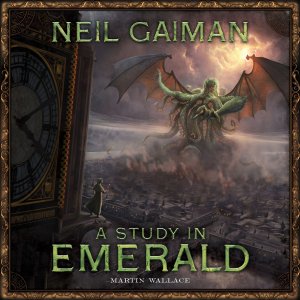
Unmask allies and enemies in a paranoid revolution against the Old Ones.
60
minutes
Medium
View game
2022
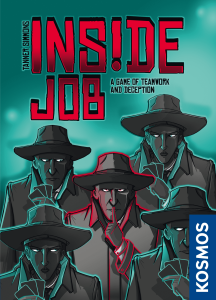
Cooperate, conceal your role, and catch the saboteur in every trick.
30
minutes
Medium Light

View game

2007
Run a spy network and shape the post-war world through intrigue and influence.
60
minutes
Medium Light
View game

2017
Uncover the infection before paranoia consumes Outpost 31.
120
minutes
Medium
View game
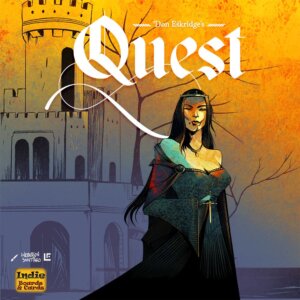
2021
Debate, deceive, and uncover hidden allegiances across Arthur’s perilous quests.
30
minutes
Medium Light
View game

2015
Navigate imperial rivalries and claim influence in 19th-century Afghanistan.
120
minutes
Medium Heavy

View game

1988
Deduce hidden identities, find your partner, and complete a secret mission.
90
minutes
Medium
View game
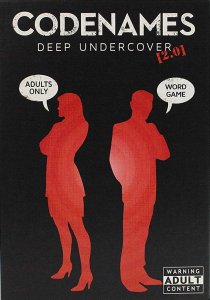
2016
Give clever clues, find your agents, and avoid the assassin.
15
minutes
Light
View game

2015
Build an influential spy network across wartime Estoril’s iconic locations.
60
minutes
Medium
View game

2016
Deploy spies, break codes, and outmaneuver rival agencies.
90
minutes
Medium Heavy
View game

1984
Move the spies, hide your color, and deduce who is secretly ahead.
30
minutes
Light
View game
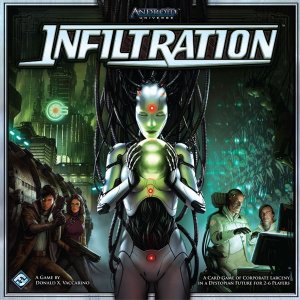
2012
Push deeper into a corporate facility, steal data, and escape before lockdown.
45
minutes
Medium
View game

2014
Investigate hidden identities, seize a gun, and take the decisive shot.
20
minutes
Light
View game

2012
Cooperative Cold War espionage packed with stories, gadgets, and danger.
90
minutes
Medium
View game

1992
Deduce your spies’ hidden talents and deliver the Top Secret Briefcase.
45
minutes
Medium
View game

2016
Add three new conspirators and fresh abilities to your resistance.
75
minutes
View expansion
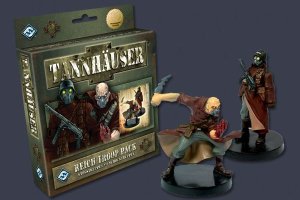
2010
Add alternate-color Reich troops, a unique scenario, and new tokens to Tannhäuser.
60
minutes
Medium
View expansion
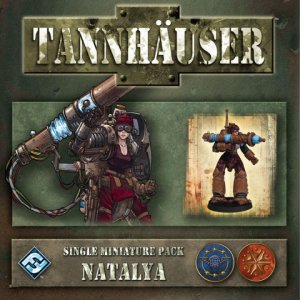
2011
A brilliant lieutenant in a formidable armored suit
Medium Light
View expansion

2020
Add four conspiracy modules, from media manipulation to alien intrigue.
75
minutes
Medium
View expansion

2010
A fixed Munchkin card set with an exclusive Warehouse 23 release.
120
minutes
Medium
View expansion
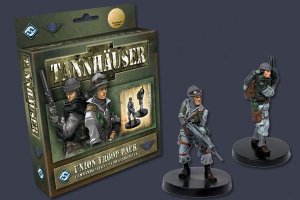
2010
Expand your forces with alternate-color Union commandos, tokens, lore, and a scenario.
60
minutes
Medium
View expansion
2016
Ten double-sided promo cards add fresh word choices to Codenames.
45
minutes
Light
View expansion

2014
Take on specific missions, earn rewards, and manage unwanted Status cards.
90
minutes
Medium
View expansion
Spy and secret agent games focus on clandestine operations, deception, codebreaking, and gathered intelligence. Rather than confronting rivals in open combat, players rely on hidden roles, concealed movement, and calculated bluffs to achieve covert objectives. The central challenge revolves around managing incomplete information while deducing what your opponents are hiding.
Light party and word games provide an easy entry point without heavy rules overhead. Codenames lets two rival spymasters guide field operatives using subtle one-word associations, while Spyfall challenges one undercover agent to blend into an unknown location purely through casual conversation. Both play quickly and work smoothly with newcomers.
Yes, several espionage titles are designed specifically for intense two-player face-offs. Codenames: Duet delivers a cooperative word-association puzzle built exclusively for two, while Fugitive offers a tense, quick cat-and-mouse duel between an escaping agent and a relentless marshal. Both deliver authentic spy tension without requiring a larger group.
Certain spy-themed titles feature dedicated solo modes centered around logic puzzles or tactical infiltration. In Turing Machine, solo players query an analog mechanical computer to crack secret numerical codes, playing in roughly 20 minutes. For an epic, tactical solo challenge, burncycle offers intricate corporate hacking and stealth infiltration missions.
Hidden movement tasks one undercover operative with plotting steps privately on a concealed mini-map or write-off sheet while pursuers search the main board. In Specter Ops and Mind MGMT: The Psychic Espionage “Game.”, the fugitive leaves subtle visual clues or confirmed sightings, forcing hunters to deduce trajectories and coordinate traps before the agent completes their clandestine mission.
Social deduction games center on verbal misdirection, team votes, and sniffing out double agents hidden within your ranks. By contrast, hidden movement games are positional tactical puzzles where an agent’s physical location on a grid is concealed from pursuers. Titles like The Resistance rely on social reads and accusations, whereas titles like Specter Ops test spatial awareness and movement tracking.
Many espionage games suit family settings, provided you choose titles with straightforward rules and lower age thresholds. Agent Avenue is accessible for players as young as 8 with snappy 10-to-20-minute rounds, while Codenames: Pictures uses visual clues that make clue-giving intuitive for ages 10 and up. Highly complex hidden-role games with intense deceit may be better reserved for teenagers.
Session lengths range from 15-minute deduction sprints to deep, multi-hour tactical operations. Quick card and communication games like Decrypto usually wrap up within 15 to 45 minutes. On the other end of the spectrum, dense strategic titles such as Black Orchestra or burncycle run between 90 and 180 minutes.
Experienced hobbyists who want layered strategic decision-making should look toward medium-heavy and heavy games. Covert combines dice placement, tactical hand management, and network building across European spy rings, while Pandemic Legacy: Season 0 drops a coordinated team into a deep Cold War narrative campaign filled with passport management and counter-espionage.
A frequent error is trying to execute the grand mission plan too early, making your hidden identity or route glaringly obvious. In deduction and hidden movement games, changing pace, deliberately wasting an opponent’s time on false leads, and blending in with the majority are essential tactics. Over-committing before testing enemy defenses usually leaves your operative cornered.
The most damaging pitfall is recording an invalid move, which can instantly collapse an entire hour-long investigation. Because hidden movers track coordinates behind a screen, double-checking your movement ranges, line-of-sight triggers, and revealed clues on every single turn is vital to preserving table trust and fair play.
