
Mount Everest
2013
Guide tourists to Everest's summit—and bring them safely back to base.
90
minutes
Medium

View game

Rules made simple, fun made easy!
The transportation theme centers on moving goods, passengers, or vehicles across a map to build infrastructure and drive commerce. Players manage logistics networks, balance transit costs, and connect distant hubs to outmaneuver rivals.
442 results
At its core, a transportation theme challenges players to solve spatial puzzles and logistics bottlenecks. Whether laying steel rails, navigating shipping lanes, or managing flight paths, the primary focus is establishing efficient connections between points of supply and demand. As routes expand, the shared board evolves into a dense web of commerce where every link creates new strategic possibilities.
At the table, this creates immediate, visible tension. Because geographic space is inherently limited, players constantly compete for critical choke points, rights-of-way, and lucrative terminal cities. The satisfaction comes from watching a small, localized route grow into an expansive transit empire that fuels your entire engine.
This theme is ideal for players who enjoy logistics, economic planning, and route optimization. While approachable gateway options exist, the vast majority of transportation games sit firmly in the medium to medium-heavy range, demanding careful foresight and multi-turn planning. Gaming groups that appreciate shared board tension and calculating supply-and-demand margins will find plenty to love here.
2013
Guide tourists to Everest's summit—and bring them safely back to base.
90
minutes
Medium
View game
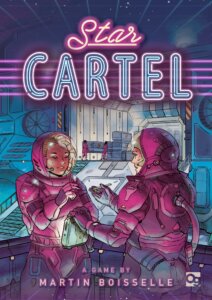
2017
Load contraband, manipulate prices, and stash the most luxurious goods.
60
minutes
Medium
View game
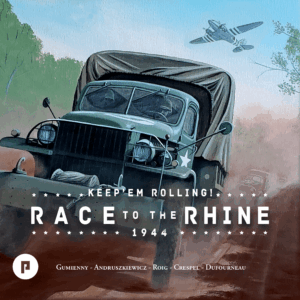
2023
Plan the advance, master logistics, and race the Allies to the Rhine.
120
minutes
Medium Heavy

View game
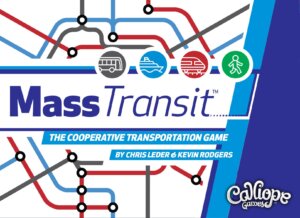
2021
Cooperate under limited communication to get commuters home.
20
minutes
Light

View game
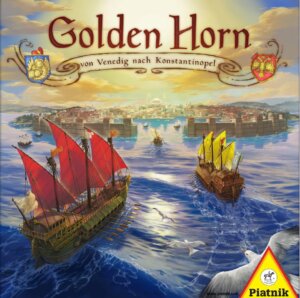
2013
Sail from Venice to Constantinople, face pirates, and fill your warehouses.
45
minutes
Medium Light

View game
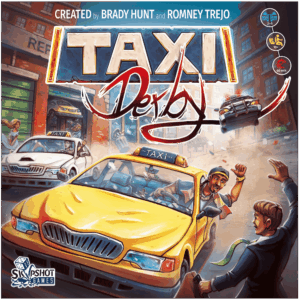
2020
Build your driving strategy and compete for the city’s highest-paying customers.
75
minutes
Medium
View game

2024
Plan routes, claim destinations, and chase unique end-game goals.
100
minutes
Medium
View game
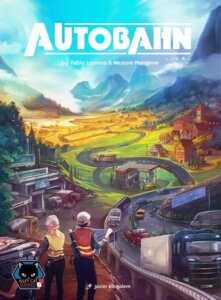
2022
Build Germany’s motorway network, move goods, and shape your route to victory.
150
minutes
Medium Heavy
View game

2020
Build a national airline network and outscore your rivals across seven U.S. regions.
45
minutes
Medium
View game

2019
Build a river network and deliver timber and grain for the highest score.
20
minutes
Medium Light
View game
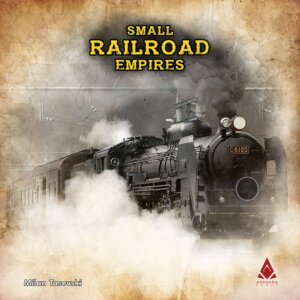
2021
Build tracks, deliver goods, and race to claim prestigious achievements.
60
minutes
Medium
View game
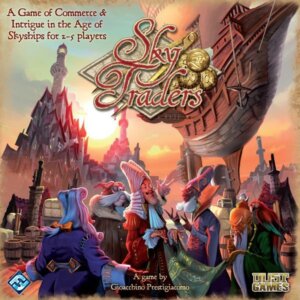
2012
Trade, negotiate, and outfly danger on the road to guild mastery.
300
minutes
Medium
View game
1994
A sprawling 18xx railway game for experienced players and long sessions.
360
minutes
Heavy

View game
2013
A no-randomness economic contest of companies, investment, and expansion.
120
minutes
Medium Heavy
View game
2014
Navigate terminal congestion and reach your plane before takeoff.
30
minutes
Medium Light
View game
2018
Race mine carts, place tiles, and claim the most valuable gems before collapse.
60
minutes
Medium Light
View game
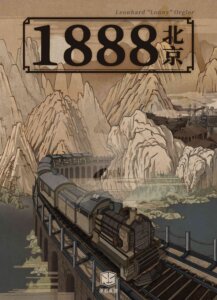
2022
Build railways, manage shares, and expand across the Beijing area
200
minutes
Medium Heavy
View game
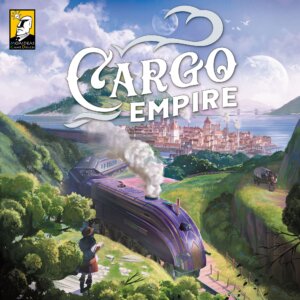
2025
Build a trading network, transport cargo, and rise to commercial glory.
90
minutes
Medium
View game
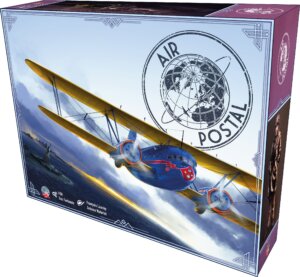
2023
Build air routes, chase aviation firsts, and become a legendary pilot.
120
minutes
Medium
View game
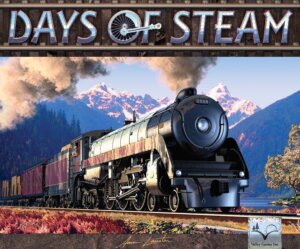
2009
Build routes, manage steam, and deliver goods across a changing railway network.
60
minutes
Medium
View game
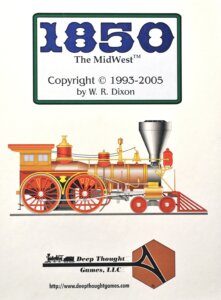
2005
An 18xx railway game set in the Midwest west of Chicago
300
minutes
Medium Heavy
View game
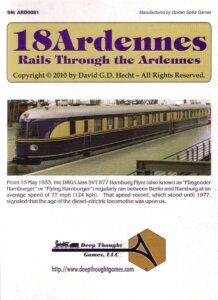
2010
Build your railway ambitions across a richly mapped northwestern Europe.
300
minutes
Medium Heavy
View game

2011
Fish, trade, and gather amber before winter freezes the Baltic Sea.
30
minutes
Medium Light
View game
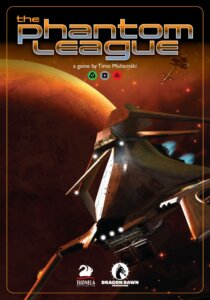
2010
Trade, raid, explore, and outmaneuver rivals across a modular universe.
90
minutes
Medium Heavy
View game

2010
Build rail lines, deliver goods, and connect the Western United States.
120
minutes
Medium
View expansion
2012
Redirect roads, reposition ferries, and close routes for points.
Medium Light
View expansion

2015
Turn every flight into a dangerous mission of cargo, artifacts, and chaos.
60
minutes
Medium
View expansion

2000
Fifteen Catan scenarios and many variants in one expansion kit.
60
minutes
Medium
View expansion
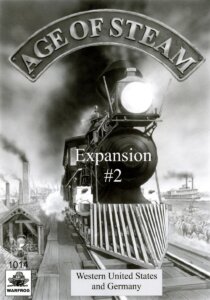
2003
Two maps, two rule sets, from transcontinental networks to German interurban links.
120
minutes
Medium Heavy
View expansion
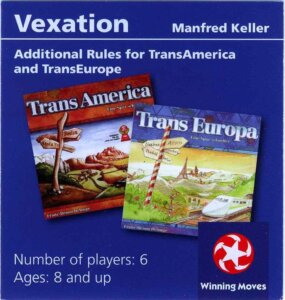
2007
Control a shared railroad network and stop opponents from exploiting your routes.
30
minutes
Medium Light
View expansion

2010
Build a rail network across 19th-century Mexico and lead the expansion south.
90
minutes
Medium
View expansion
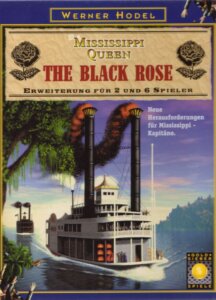
1998
New hazards, coal stations, and the Black Rose reshape river racing.
60
minutes
Medium Light
View expansion
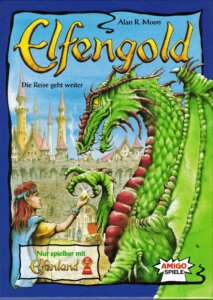
1999
Add bidding, gold, and tough resource choices to Elfenland
120
minutes
Medium
View expansion
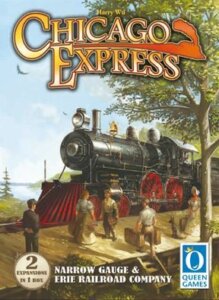
2009
Two railroad expansions together in one compact box
60
minutes
Medium
View expansion
2003
A substantial expansion with 20 scenarios, planes, cities, and new rules
240
minutes
Heavy
View expansion
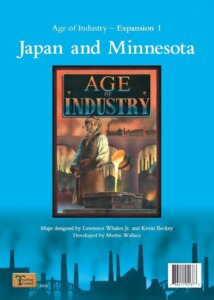
2011
Two double-sided maps that bring fresh twists to Age of Industry
120
minutes
Medium Heavy
View expansion
Transportation board games center on moving goods, passengers, or vehicles across a shared map to establish commerce and infrastructure. Players solve spatial puzzles by balancing movement costs, network expansion, and supply-and-demand economics. These titles range from accessible route-laying puzzles to deep, multi-hour industrial simulations.
Network building focuses on constructing permanent links between hubs, whereas pick-up-and-deliver requires moving physical tokens from one location to another. In pure network games, completing the connection itself scores points or establishes market access. In pick-up-and-deliver games, vehicles must physically load resources at supply points and haul them to demanding destinations to earn money or victory points.
Yes, many transportation titles offer straightforward mechanics and brisk playtimes that work well for casual family play. Accessible games like Tokyo Highway emphasize physical spatial routing in roughly 30 minutes, while Echidna Shuffle provides an intuitive pick-up-and-deliver race suitable for children ages 6 and up. For slightly older families, Get on Board: New York & London delivers an approachable public transit puzzle in about half an hour.
Beginners should start with Light or Medium Light games that teach route management without punishing economic rules. A quick card game like Yardmaster introduces rail car sequencing in just 20 minutes. If you want to experience cargo hauling and market trading, The Great Heartland Hauling Co. offers a clean, 30-minute introduction to freight logistics on a modular board.
Yes, transportation games can be exceptionally sharp at two players because spatial blocking becomes a focused duel. On maps with limited choke points, every track or road placed can shut down an opponent’s primary delivery corridor. For heavy logistics enthusiasts, a sprawling production title like Roads & Boats is community-rated best with 2 players, providing ample room to coordinate deep transit networks without early congestion.
Several transportation games include dedicated solo modes focused on optimizing logistics against the board rather than other players. In the light path-building game Avenue, a solo player works to maximize connections across a grid in 15 minutes. For deep logistics, heavy titles like Clinic: Deluxe Edition and Age of Steam offer demanding solitaire challenges that test your ability to manage high operational costs and transit requirements.
Playtimes range from 10 minutes to over 5 hours depending entirely on the game’s economic weight. Micro-games such as Yardmaster Express play in 5 to 10 minutes, whereas mid-tier games usually wrap up in 45 to 60 minutes. At the heavy historical extreme, titles like 1830: Railways & Robber Barons can last between 180 and 360 minutes due to detailed financial rounds, route mapping, and company stock management.
Experienced hobbyists gravitate toward Medium Heavy and Heavy titles that combine shared infrastructure with unforgiving economic markets. Brass: Birmingham provides an intricate web of canal and rail links where players build industries using one another’s transport networks. Meanwhile, 1860: Railways on the Isle of Wight offers deep financial rail operations with intense competition over track rights and aging train engines.
No, the transportation theme covers many forms of movement, including cargo ships, delivery trucks, postal couriers, and spaceships. In Black Fleet, players sail merchant ships and pirate sloops between island outposts, while Thurn and Taxis revolves around building postal stagecoach networks across Central Europe. For a sci-fi twist, Galaxy Trucker challenges players to build modular starships to haul space cargo across hazardous flight paths.
The most common mistake is overextending your route network before establishing a steady source of delivery income. Laying expansive track or roads without the capacity to haul cargo drains cash reserves and leaves you vulnerable to operating debts. Additionally, failing to secure access to key choke points early often allows opponents to cut off high-value terminal cities entirely.
Interaction comes from spatial contention on a shared board and race dynamics over limited market goods. Because maps have finite mountain passes, waterways, and junction spots, claiming a route can permanently force rivals to build costly detours. Furthermore, moving goods to a city first often crashes demand or claims limited bonuses, directly eroding an opponent’s planned revenue.
