Conan
2016
Lead legendary heroes through fast, asymmetric fantasy scenarios.
90
minutes
Medium

View game

Rules made simple, fun made easy!
Player Elimination is a game mechanic where participants can be knocked out of the match before it concludes, leaving the remaining players to compete until a victor emerges.
762 results
At its core, Player Elimination introduces absolute stakes to every decision. Instead of merely losing points or falling behind on a track, players risk complete removal from the session. This sudden-death pressure alters table dynamics, forcing participants to balance aggressive plays against their own self-preservation.
Because survival is paramount, games using this system generate immediate tension and sharp table talk. Knowing that an overextension can lead straight to the sidelines makes defensive tactics and temporary alliances matter just as much as raw offensive power.
Cards determine battle outcomes.
324 gamesRandomized chance for extreme success or failure.
110 gamesAttacks or interactions depend on visual distance.
446 gamesA cyclic balance where one action beats another.
121 gamesActions succeed or fail based on character stats.
346 gamesThe game ends immediately when a condition is met.
148 gamesThis mechanism shines with groups that enjoy direct conflict, cutthroat interaction, and tense social maneuvering. It works best in short, energetic titles where a knocked-out participant only waits a few minutes for the next round to start. Most designs featuring this concept lean toward light to medium rulesets, making them accessible to casual groups and party settings, whereas heavier, long-form titles rarely implement it due to the risk of excessive player downtime.
2016
Lead legendary heroes through fast, asymmetric fantasy scenarios.
90
minutes
Medium
View game
2004
Build a haunted mansion, uncover omens, and survive the betrayal.
60
minutes
Medium
View game
2003
Command a great House through intrigue, diplomacy, and war for Westeros.
180
minutes
Medium Heavy

View game

2008
Shift, skid, and outpace the competition in a thrilling dice-driven race.
60
minutes
Medium Light

View game
1800
Hide your dice, raise the bid, and challenge the table.
30
minutes
Light

View game
2015
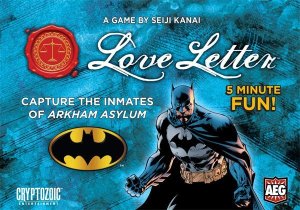
Deduce, take risks, and outplay rivals in a compact card game.
20
minutes
Light
View game
1959
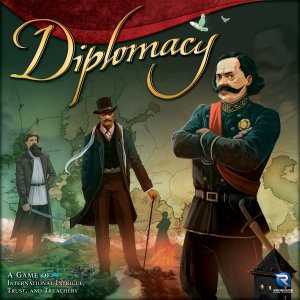
Negotiate, command, and outmaneuver rivals across prewar Europe.
360
minutes
Medium Heavy
View game

2013
Secret roles, wild dice, and a showdown in the Old West
15
minutes
Light
View game
2000
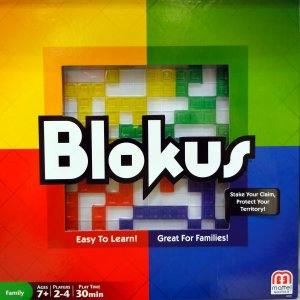
Connect colorful shapes by corners and fit as many pieces as possible.
30
minutes
Medium Light
View game

2010
Race up the Savage Mountain, manage your cards, and survive the climb.
60
minutes
Medium
View game
2017
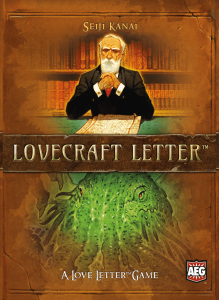
Investigate the unknown—or embrace insanity—in a tense Lovecraftian card game.
15
minutes
Light
View game

2024
Burn metals, unlock Allomantic powers, and fight for victory.
60
minutes
Medium
View game

2014
Seven games, one winning rule: stay ahead or be eliminated.
30
minutes
Medium Light
View game
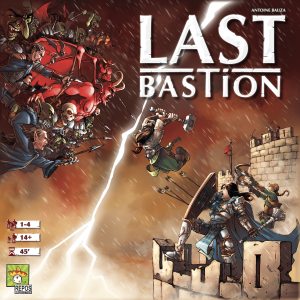
2019
Stand together against monstrous hordes and defend the last stronghold.
45
minutes
Medium
View game
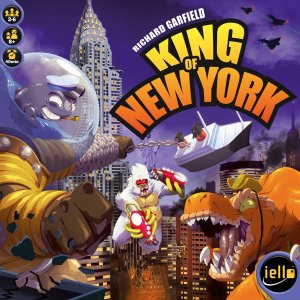
2014
Smash the city, battle rival monsters, and seize the spotlight.
40
minutes
Medium Light
View game
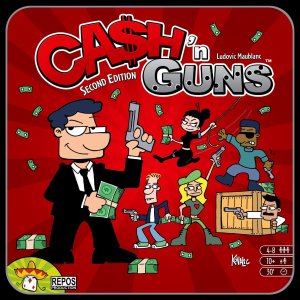
2014
Point foam guns, bluff your rivals, and grab the richest loot to survive.
30
minutes
Light
View game

1997
Push your luck through every corner in a thrilling, high-speed race
120
minutes
Medium Light
View game
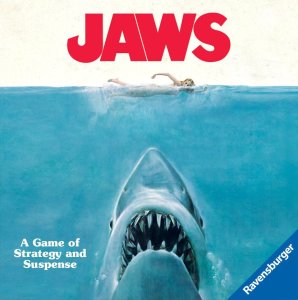
2019
Hunt the shark, save swimmers, and survive the battle aboard the Orca.
60
minutes
Medium
View game
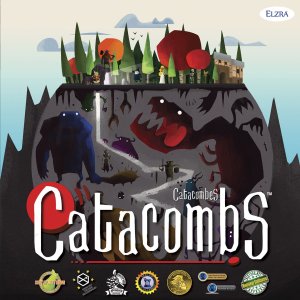
2015
Flick heroes, spells, and monsters through a fast-paced fantasy quest.
90
minutes
Medium
View game

2008
Race hard, drift wide, and keep your sled from crashing out.
60
minutes
Medium
View game
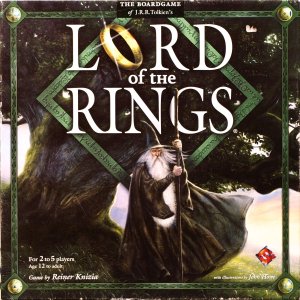
2000
Cooperate through Middle-earth and destroy the One Ring.
90
minutes
Medium
View game
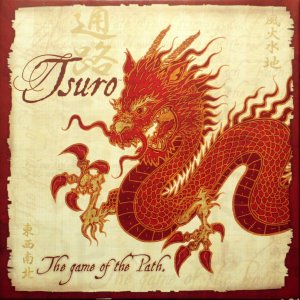
2005
Lay twisting paths, outlast rivals, and steer them off the board.
20
minutes
Light
View game
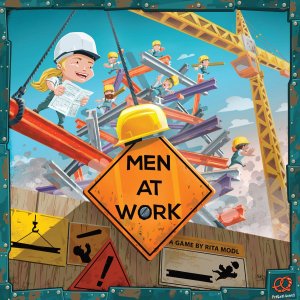
2018
Stack steel, avoid accidents, and impress Rita on the construction site.
45
minutes
Light
View game

2007
A deluxe bullet-box collection of BANG! and its major expansions
40
minutes
Medium Light
View game
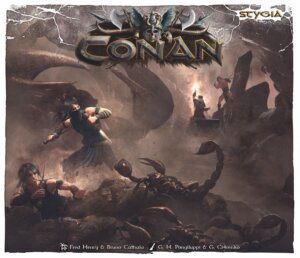
2017
Unearth ancient evil beneath the blazing sands of Stygia.
90
minutes
Medium Heavy
View expansion
2003
Take on jousts, skirmishes, archery, feasts, and epic storytelling.
120
minutes
Medium Heavy
View expansion

2020
A collection of optional variants, events, species, ships, and extra components.
200
minutes
Medium
View expansion
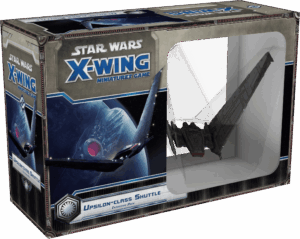
2016
Command a powerful First Order shuttle and unleash the dark side.
45
minutes
View expansion
2019
Defend Wayne Manor and the Batcave with heroes, allies, and a mighty T-Rex.
90
minutes
Medium Heavy
View expansion
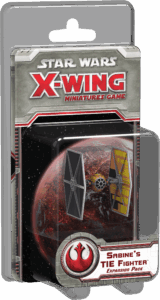
2016
A brilliantly customized TIE fighter joins the Rebel cause.
45
minutes
View expansion
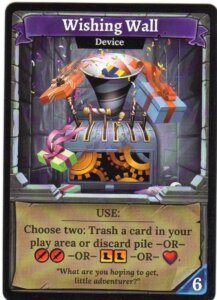
2017
A cost-6 device offering two powerful choices in one turn.
60
minutes
Medium
View expansion
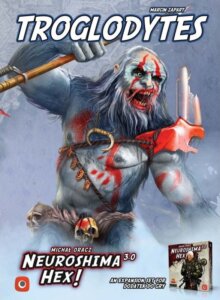
2020
Cannibalize your own units to gain power, mobility, and resistance.
30
minutes
Medium
View expansion
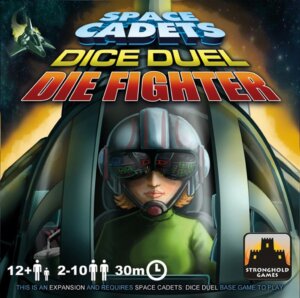
2014
Fast-paced space combat with fighters, capital ships, and powerful upgrades
30
minutes
Medium
View expansion

2020
Face Dark Matter and Phobias as you race to close the book before madness takes hold.
90
minutes
Medium
View expansion
2021
Return to savage worlds with Adventure Mode and revised solo/co-op rules.
120
minutes
Medium Heavy
View expansion
2021
Survive dinosaur puberty with 54 hilariously terrifying new cards.
60
minutes
Light
View expansion
Player elimination is a mechanic where participants are removed from a match when they meet specific defeat conditions, while the remaining players continue competing to determine a winner. Once your health, essential resources, or board pieces reach zero, your turns cease and you watch the rest of the game from the sidelines. This design introduces high stakes to every turn, making survival just as vital as offensive progress.
The main drawback is player downtime, which happens when an eliminated player must wait around with nothing to do until the session wraps up. Modern designers address this issue by keeping games exceptionally short or by making elimination happen only in the closing moments of play. Fast-paced titles ensure that knocked-out participants only sit out for a few minutes before a brand-new match begins.
Yes, provided the games are quick, rules-light, and maintain a casual atmosphere. Family-friendly titles like Exploding Kittens (ages 7 and up, lasting 15 minutes) and King of Tokyo (ages 8 and up, lasting around 30 minutes) work well because knockouts are fast and lighthearted. In these lighter games, being knocked out rarely feels frustrating because rounds reset almost immediately.
Fast bluffing and deduction games handle elimination best because full matches resolve in under 20 minutes. For example, Love Letter plays over rapid rounds where getting knocked out only sidelines you for a few turns. Similarly, Coup delivers tense 15-minute sessions where losing both of your character cards knocks you out just moments before the final showdown resolves.
In a two-player game, player elimination serves as the direct end-game condition, entirely eliminating player downtime. Because there are no other participants left to continue playing, knocking out your opponent immediately concludes the match. Head-to-head deck builders like Star Realms use this structure to create focused, 20-minute duels where reducing an opponent’s authority to zero awards an instant victory.
Yes, cooperative and semi-cooperative games often allow individual characters to be defeated while the rest of the team continues the mission. In tactical adventures like Gloomhaven, exhausting your cards or losing your hit points eliminates your character from the scenario, leaving your allies to finish the fight down a member. In semi-cooperative survival games like Nemesis, an alien attack can eliminate an astronaut early, forcing remaining crew members to adjust their escape plans.
Heavy strategy titles rarely include early knockouts due to their length, but some grand-scale games retain elimination as a late-game consequence. In massive titles like Twilight Imperium: Fourth Edition, completely wiping an opponent’s home system off the board is technically possible, though it requires immense effort and usually happens only near the climax. Most heavy designs avoid early elimination to ensure every participant remains engaged throughout a multi-hour session.
Maintaining a low profile and reserving defensive resources are the most reliable ways to stay in the game. Acting overly aggressive early on paints a target on your back and encourages the rest of the table to gang up on you. Wise players monitor threats, keep counter-play options ready, and allow opponents to spend resources fighting one another before launching their own offensive pushes.
Victory point games rank players by relative score at a set endpoint, whereas elimination games require you to actively protect your survival threshold to stay in contention. In a point-based system, falling behind still lets you take turns and enjoy the full game, but taking fatal damage in an elimination game removes you completely. This fundamentally shifts table strategy from maximizing point efficiency toward careful threat assessment and direct player defense.
The ganging-up issue happens when multiple participants coordinate their attacks against the weakest player to remove them from the table quickly. While strategically logical to thin the field, it can create a frustrating experience for the targeted player. Hidden-role titles such as BANG! and Secret Hitler mitigate this by concealing loyalties, preventing players from easily agreeing on an obvious target early in the game.
In solo board games, player elimination acts as an immediate failure state rather than a sideline knockout. Reaching zero health or exhausting a critical deck simply triggers the scenario’s loss resolution on the spot. For instance, in solo runs of Arkham Horror: The Card Game, succumbing to physical damage or mental horror immediately ends the attempt and prompts the story’s defeat outcome.
