
Miskatonic University: The Restricted Collection
2019
Search forbidden grimoires, complete sigils, and survive five perilous rounds.
45
minutes
Medium Light

View game

Rules made simple, fun made easy!
Push Your Luck is a board game mechanic where players repeatedly choose between banking their current gains or risking them on additional attempts for higher rewards. Continuing offers greater payouts, but failing on any attempt usually forfeits everything accumulated that turn.
1,154 results
At its heart, this mechanic presents an escalating dilemma between safety and greed. Every action offers an immediate benefit, but it also increases the probability of triggering a bust condition that wipes out your turn. Players must constantly weigh the tangible value of walking away against the tempting upside of one more roll, draw, or flip.
Around the table, this dynamic produces instant drama and shared engagement. Because a single bad result can upend a player’s lead, turns often build toward tense, spectator-friendly crescendos that encourage playful banter and calculated risk-taking.
Players have secret roles affecting their objectives.
193 gamesPlayers can disrupt others’ actions unexpectedly.
112 gamesPlayers can perform a powerful action only once.
177 gamesPlayers take on fictional personas and make decisions accordingly.
984 gamesDifferent players have access to different information.
5,846 gamesPlayers directly hinder their opponents’ progress.
1,481 gamesA hidden traitor secretly works against the team.
134 gamesThis mechanism thrives with casual groups, families, and party settings where lively reactions and fast turns matter more than deep strategic control. The vast majority of titles using it fall into the light to medium complexity range, making them accessible openers or social centerpieces, while heavier designs occasionally use the concept as a high-stakes subsystem rather than the primary focus.
2019
Search forbidden grimoires, complete sigils, and survive five perilous rounds.
45
minutes
Medium Light
View game
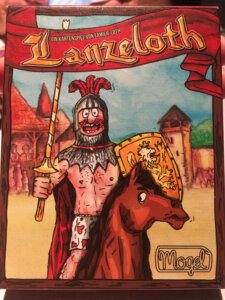
2017
Build a hidden knight, unleash horse powers, and win the tournament.
30
minutes
Medium Light
View game
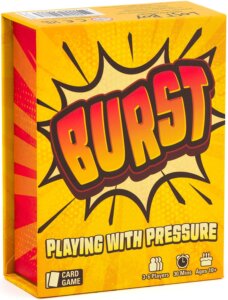
2025
Push the row past twenty-one and your round ends with zero points.
30
minutes
Light

View game
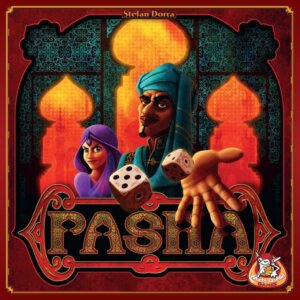
2013
Roll five dice, outplay rivals, and claim the most valuable card.
30
minutes
Light
View game
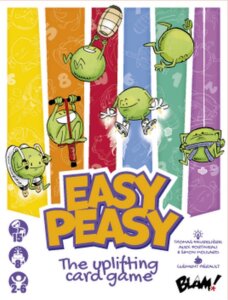
2025
A fast, clever card game of hidden information and changing directions.
15
minutes
Medium Light
View game
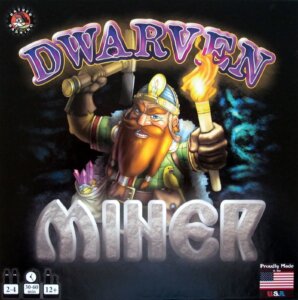
2013
Push your luck underground, craft fantastic gear, and satisfy powerful patrons.
60
minutes
Medium Light
View game

2026
Chart uncharted seas, face strange encounters, and seize the viceroy’s crown.
300
minutes
Medium Heavy

View game
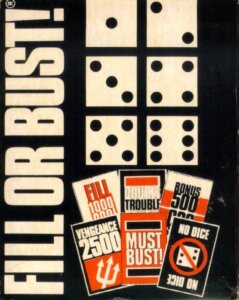
1981
Roll, score, and push your luck before the dice turn against you.
30
minutes
Light
View game
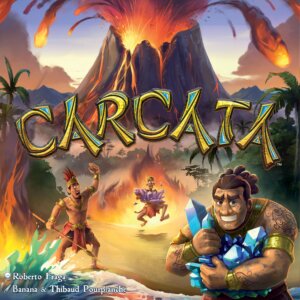
2020
Roll the dice, launch gems, and outwit lava on a dangerous volcano island.
40
minutes
Light
View game
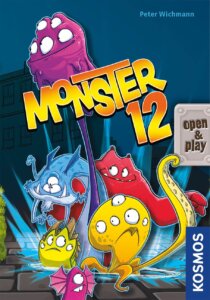
2021
Roll, match, and catch twelve colorful monsters before your rivals do!
12
minutes
Light
View game

2016
Push your luck, hide your dice, and keep a perfect poker face.
30
minutes
Light
View game
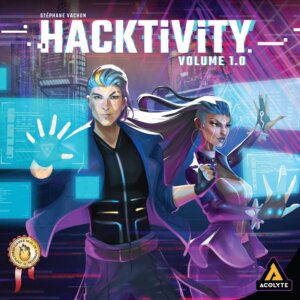
2024
Team up in cyberspace to defeat a virus and shut down quantum generators.
60
minutes
Medium

View game

2019
Control the court, manage your hand, and unleash a decisive spike.
25
minutes
Medium
View game
2014
Hunt for blood before sunrise—then decide when to retreat.
30
minutes
Light
View game

2014
Push your luck across No Man’s Land under relentless enemy fire.
45
minutes
Medium Light
View game

2011
Build mines, towns, and railroads in a ruthless desert stock market.
240
minutes
Medium Heavy
View game
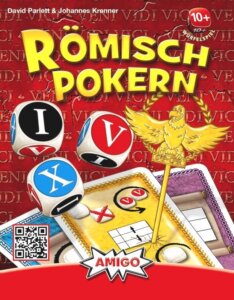
2015
Roll, risk, and build the highest valid Roman numerals.
30
minutes
Light
View game

2018
Work together to build the most compact pallet and chase a perfect score.
30
minutes
Light
View game

2017
Guide your snow geese south while balancing food, flight, exhaustion, and risk.
15
minutes
Medium Light
View game

2026
Program your final summer week through 1980s-inspired town adventures.
90
minutes
Medium
View game
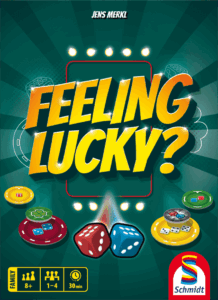
2024
Roll the dice, complete tasks, and push your luck toward higher scores.
30
minutes
Medium Light
View game
2024
Mine a priceless new element in a tense two-player race for control.
90
minutes
Medium
View game

2024
Push your luck, clear the fences, and build the tastiest vegetable haul.
20
minutes
Light
View game
2024
Build insect swarms, unleash Murray, and turn tadpoles into points.
45
minutes
View game

2019
Expand the game to 5-6 players with new boards and 30 zombie miniatures.
40
minutes
Medium
View expansion
2021
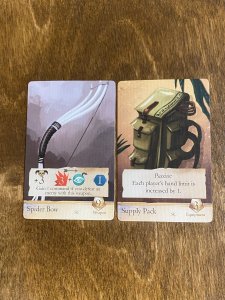
Add two item cards to your Sleeping Gods collection.
840
minutes
View expansion
2020
Expand your crafting options and customize your starting decks
60
minutes
Medium
View expansion

2019
Transform minions into werewolves and unleash savage attacks under the full moon.
90
minutes
View expansion
2018
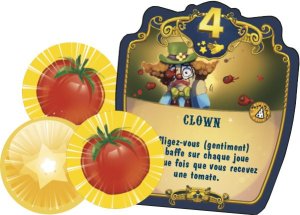
Throw tomatoes, honor great acts, and chase every last Applause point.
45
minutes
View expansion
2016
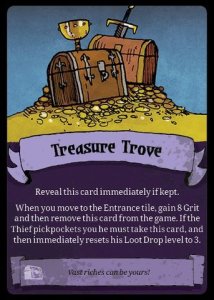
A Treasure Trove promo with 8 Grit at the Entrance
75
minutes
View expansion
2016
Ten double-sided promo cards add fresh word choices to Codenames.
45
minutes
Light
View expansion

2024
Race to Jupiter with advanced rockets, research, advisors, and new strategic options.
View expansion
2019
Command neutral elemental sorcery from the Royal court.
90
minutes
View expansion
2018
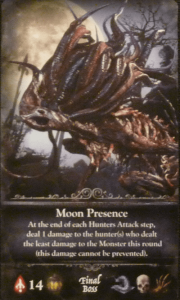
A promotional Final Boss card that punishes the least damaging Hunters.
45
minutes
Medium
View expansion

2019
Add a Wachiwi character deck and standee to your Sorcerer collection.
90
minutes
View expansion

2021
Add new strategic possibilities with Smithies and Trebuchets.
60
minutes
Medium
View expansion
Push Your Luck is a board game mechanic where players decide between locking in current rewards or risking them on further attempts for greater payouts. Continuing the turn offers higher upside, but triggering a bust condition forfeits your unbanked progress for that round. This dynamic creates an ongoing dilemma between immediate safety and escalating risk.
Unlike pure luck mechanisms where random events happen to you without a choice, Push Your Luck gives you complete control over when to stop. You evaluate the evolving odds after each successful step and actively choose whether another roll or draw justifies the hazard. The skill centers on risk assessment and probability management rather than passive chance.
Great introductory games focus on intuitive bust conditions and brisk pacing, such as Quacks and Port Royal. In Quacks, players pull ingredient chips from a bag to brew potions for about 45 minutes, balancing greed against explosive white cherry bombs for ages 10 and up. Port Royal plays in 20 to 50 minutes for ages 8 and up, challenging participants to flip harbor cards for coins without revealing two matching pirate ships.
Yes, two-player push-your-luck games can be exceptionally tense and strategic. Dedicated dueling titles like Jaipur and Lost Cities both play in approximately 30 minutes for players aged 10 and older. In both games, holding cards too long in hopes of a higher payout gives your opponent the opening to claim crucial market goods or expedition points first.
Push-your-luck mechanisms work well in solitaire games by pitting player greed against unforgiving survival clocks. A prime example is Friday, an experience designed exclusively for 1 player that plays in roughly 25 minutes for ages 13 and up. During the game, you decide whether to commit life tokens to defeat escalating hazard cards or absorb the hit to prune weak cards from your deck.
In heavier designs, pushing your luck rarely forms the entire game and instead functions as a high-stakes subsystem within a broader economic or narrative engine. In A Feast for Odin, players take calculated risks on hunting and whaling actions where bad die rolls force resource loss or worker inefficiency. Similarly, Arkham Horror: The Card Game requires players to draw chaos tokens from a bag during skill tests, balancing card commits against the ever-present threat of automatic failure.
Yes, push-your-luck games are well suited for children because the core decision to stop or continue is simple to grasp visually and conceptually. Titles like Exploding Kittens cater to ages 7 and up with fast 15-minute rounds, while King of Tokyo supports ages 8 and up through dice re-rolls and territory holding. These designs teach foundational concepts of probability and consequence without demanding dense rulebook study.
Most dedicated push-your-luck games run between 15 and 45 minutes because individual actions resolve rapidly. Fast card games like Sushi Go Party! finish in roughly 20 minutes, while dice-driven titles like King of Tokyo average about 30 minutes. Turn pacing remains quick because players make binary choices under pressure rather than calculating complex permutations.
Racing games naturally mirror the push-your-luck dynamic because drivers must constantly balance high speeds against mechanical damage or loss of control. In Formula D, racers roll higher dice to surge forward but risk wear points and blowouts if they enter corners too fast. Similarly, Heat: Pedal to the Metal forces racers to push past safe engine limits by paying heat cards, risking spinouts if their engine overheats.
The most effective strategy is to calculate the mathematical threshold where continuing yields a negative expected return compared to what you hold. Your risk profile must also adjust based on your position relative to opponents. Frontrunners should bank modest, reliable gains to protect a lead, whereas trailing players must push past standard safety limits to force high-upside comebacks.
The most common mistake is falling prey to the sunk cost fallacy by continuing to push out of frustration over previous failed turns. Players often gamble against unfavorable probabilities simply because an opponent had an unusually fortunate run or because they are desperate to justify prior effort. Consistent success comes from recognizing that each attempt carries independent odds and walking away when the math turns against you.
