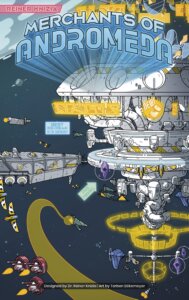
Merchants of Andromeda
2025
Shape space politics, trade goods, and outmaneuver rivals for the most money.
90
minutes
Medium

View game

Rules made simple, fun made easy!
Space Exploration is a board game theme centered on charting unknown cosmos, discovering alien worlds, and expanding across star systems. Players navigate cosmic hazards, manage resources, and push beyond the boundaries of known space.
495 results
At its heart, the Space Exploration theme captures the tension and wonder of venturing into the great unknown. Games in this genre cast players as starship captains, galactic pioneers, or entire spacefaring civilizations seeking out uncharted planets, celestial anomalies, and forgotten alien technologies.
At the table, this translates to a strong sense of discovery and progression. As the map unfolds through modular tiles or expanding star charts, players constantly balance the thrill of distant rewards against the logistical realities of fuel, crew survival, and competing rivals.
This theme primarily appeals to strategy enthusiasts and sci-fi fans who enjoy a mix of strategic planning and emergent storytelling. While light introductory titles exist, the vast majority of space exploration games sit firmly in the medium to medium-heavy complexity range, demanding comfortable familiarity with multi-step rules, spatial movement, and resource optimization.
2025
Shape space politics, trade goods, and outmaneuver rivals for the most money.
90
minutes
Medium
View game

2014
Shape a changing galaxy, command your race, and seize Trian technology.
45
minutes
Medium
View game

2025
A choice-driven sci-fi fantasy campaign of tactical combat and discovery.
180
minutes
Medium Heavy

View game
2009
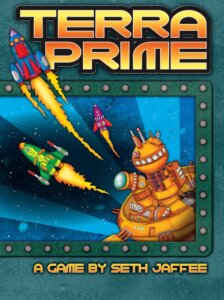
Explore uncharted space, colonize new worlds, and build humanity’s stronghold.
60
minutes
Medium
View game

2023
Manage resources, time, and astronauts to build a future scientific base.
90
minutes
Medium
View game
2013
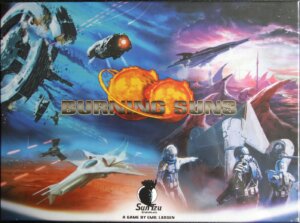
Command a custom empire through tactical diplomacy, technology, exploitation, and war.
200
minutes
Medium Heavy
View game

2023
Explore the night sky, map constellations, and pursue celestial scoring goals.
45
minutes
Medium Light

View game

2019
Decode 24 unique cards and uncover mysteries through interstellar e-mail.
600
minutes
Medium
View game

2023
Rebuild a fallen civilization in a dynamic, story-driven 4X legacy adventure.
120
minutes
Medium Heavy
View game
2025
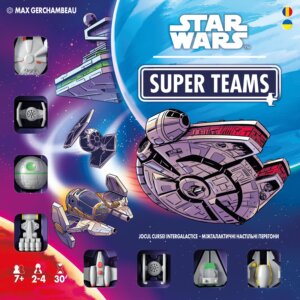
Race iconic Star Wars starships through obstacles, bonuses, and hazards.
30
minutes
Light

View game
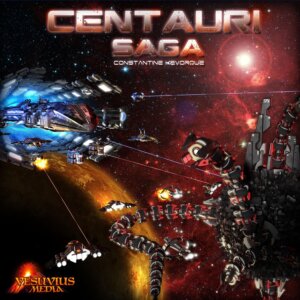
2016
Lead your armada through hostile sectors and face a hidden alien menace.
90
minutes
Medium
View game
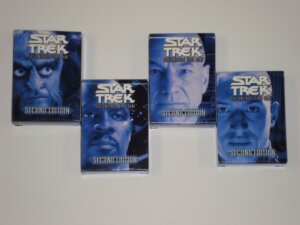
2002
Build your strategy with seven counters and shape dilemmas on the fly.
45
minutes
Medium Heavy
View game
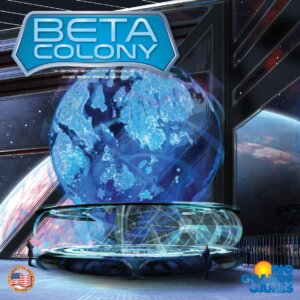
2018
Roll, move, and build a new life on Victus
80
minutes
Medium
View game
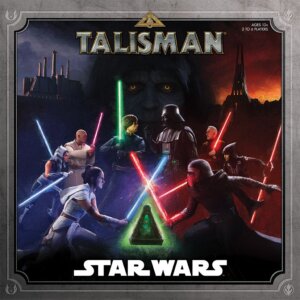
2021
Race across the Star Wars galaxy to confront—or serve—Emperor Palpatine.
120
minutes
Medium
View game
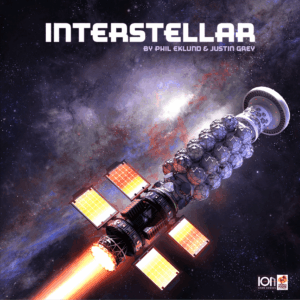
2023
Guide a fragile starship through decades of survival, risk, and rivalry.
240
minutes
Heavy

View game

2013
Build technologies, command custom fleets, and seize the galaxy’s Titanium.
90
minutes
Medium
View game
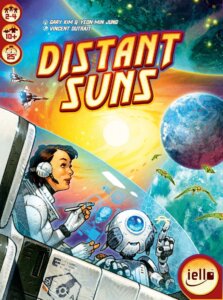
2022
Map the galaxy, outscore your rivals, and become its most famous explorer.
30
minutes
Medium Light
View game
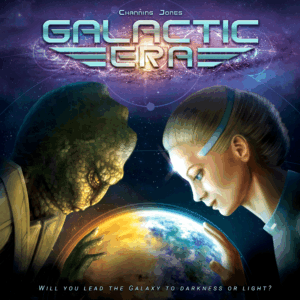
2021
Explore, expand, and shape your civilization among the stars.
180
minutes
Medium Heavy
View game

2024
Train a spacefaring bot through clever solo spatial puzzles.
15
minutes
Light
View game
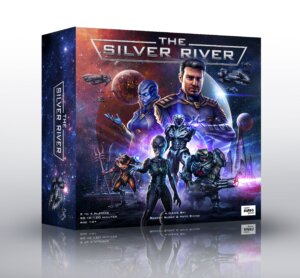
2020
A streamlined 4X race across the Milky Way, built for exploration and strategy.
120
minutes
Medium Heavy
View game
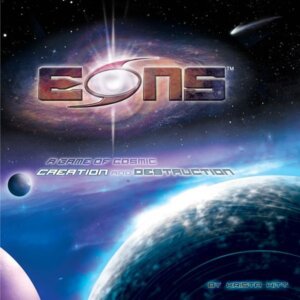
2013
Shape stars, forge elements, and outlast the universe
90
minutes
Medium
View game
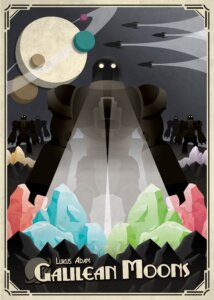
2020
Mine Jupiter’s moons, command sectors, and outpace rival nations.
60
minutes
Medium
View game
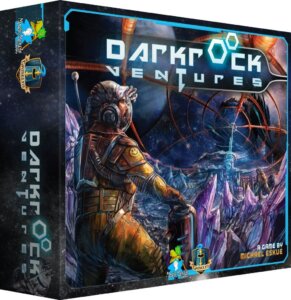
2016
Mine dangerous asteroids, outwit alien attacks, and export for profit.
45
minutes
Medium
View game
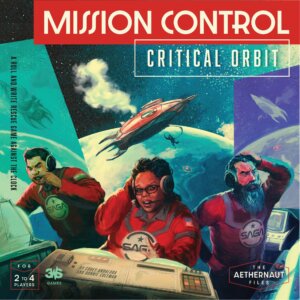
2023
Race against the clock to rescue a damaged rocket and its crew.
20
minutes
Medium
View game
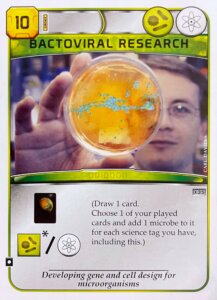
2021
Draw a card, then add microbes based on your science tags.
120
minutes
Medium Heavy
View expansion

2026
Command iconic captains, crews, and ships across space and time.
120
minutes
Medium Heavy
View expansion

2020
Three focused missions bring new card-play challenges to the crew.
20
minutes
Medium Light
View expansion

2022
Three themed 6-card Mission Packs for solo ROVE adventures
15
minutes
Medium
View expansion
2021
Recruit powerful Aliens and fuel your Crew with precious Quartz.
40
minutes
Medium
View expansion
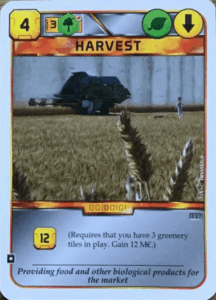
2021
A red promo card requiring 3 greenery tiles to gain 12 M€.
180
minutes
Medium Heavy
View expansion

2024
Explore four dangerous biomes and face Hoxxes IV’s terrifying Dreadnought.
150
minutes
Medium Heavy
View expansion
2024
Prepare your dwarves for tougher missions, new gear, and orbital adventures.
150
minutes
Medium Heavy
View expansion
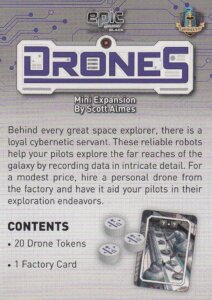
2017
Add Drones and six pilot cards to your Beyond the Black experience.
60
minutes
Medium
View expansion
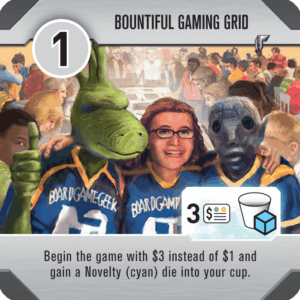
2016
Start with $3 and add a cyan Novelty die to your cup.
45
minutes
Medium
View expansion

2023
Auction contracts, augment Colonists, and launch a desperate starshot
240
minutes
Heavy
View expansion
2020
A collection of optional variants, events, species, ships, and extra components.
200
minutes
Medium
View expansion
A space exploration board game focuses on venturing into uncharted regions of the cosmos, discovering new celestial bodies, and expanding your reach across the stars. Gameplay typically involves revealing hidden modular map tiles, navigating cosmic hazards, and managing fuel, ships, or scientific discoveries. Players often embody starship crews, research agencies, or emerging galactic empires mapping the unknown.
While general sci-fi games often emphasize direct warfare, fleet battles, or political dominance over established territory, space exploration games place their primary emphasis on discovery and uncharted terrain. Even in grand 4X designs like Eclipse: New Dawn for the Galaxy, venturing into face-down sectors and discovering ancient tech or hostile guardians is fundamental to progression. The core excitement comes from unfolding the map and adapting to what you encounter rather than solely fighting rivals.
Yes, provided you choose titles at the lighter end of the spectrum that focus on accessible, streamlined mechanics. For instance, MLEM: Space Agency offers an approachable, push-your-luck rocket journey suitable for players ages 8 and up that plays in under an hour. Another family-friendly option is the cooperative trick-taking card game The Crew: The Quest for Planet Nine, which focuses on completing flight missions together in quick 20-minute sessions.
Several space games play exceptionally well at a head-to-head count, offering tight competition and minimal downtime. The fast-paced card game Race for the Galaxy is widely considered best with 2 players, delivering rapid simultaneous action selection in roughly 30 to 60 minutes. If you want a micro-scale experience built strictly for two, Eminent Domain: Microcosm provides a focused planetary scouting duel in about 15 minutes.
Yes, many games in this theme provide dedicated solo modes or are designed exclusively for a single explorer. The puzzle-driven pocket game ROVE: Results-Oriented Versatile Explorer is built purely for 1 player, tasking you with maneuvering a rover through alien terrain in tight 15-minute sessions. For experienced players seeking a deep, complex challenge, Voidfall features an intricate solo system voted best at 1 player, focusing on reclaiming fallen star systems.
Experienced hobbyists should look for titles that combine deep economic engine building, extensive planetary development, and complex spatial logistics. In Gaia Project, players guide unique asymmetric alien factions across modular space sectors, terraforming planets and advancing through intricate research trees over 60 to 150 minutes. Another demanding title is On Mars, which challenges players to carefully balance orbital supply runs and surface exploration to establish a self-sufficient colony.
Play times vary drastically based on complexity, ranging from quick 15-minute card games to all-day galactic events. Lighter expeditions like Pocket Rockets take only about 20 minutes, whereas medium-weight titles usually last 45 to 60 minutes. At the heavy epic end, grand galactic sagas like Twilight Imperium: Fourth Edition typically take 4 to 8 hours to explore, negotiate, and conquer the galaxy.
The main source of unpredictability is hidden information revealed through randomized tile flips, event decks, or hazard dice. If a player ventures into deep space and draws a volatile hazard, an empty sector, or hostile forces, it can stall their momentum compared to an opponent who reveals resource-rich worlds. Managing risk by stocking spare resources or upgrading defensive systems is essential to withstand unexpected setbacks.
The term 4X stands for eXplore, eXpand, eXploit, and eXterminate, representing a classic strategic framework where mapping uncharted territory is the mandatory first step. Titles like Eclipse: New Dawn for the Galaxy lean heavily into this structure, requiring players to venture into dark hexes before they can exploit resources or build forward bases. Exploration provides the vital economic foundation and tactical layout that shapes the entire mid- and late-game conflict.
Prioritize your movement range and resource generation early so that venturing into distant systems does not strand your fleet. Avoid overextending into deep space without having the infrastructure or defense needed to secure the valuable tiles you discover. Finally, stay adaptable to the map as it unfolds; if high-value planets appear far from your starting point, pivot your engine toward trade or alternative scoring paths rather than wasting turns on inefficient travel.
The biggest pitfall is ignoring turn logistics and movement math, which can cause significant turn downtime as players recalculate hyperlane jumps on the fly. Another frequent mistake is getting distracted by the thrill of exploration for its own sake while neglecting your actual victory objectives or engine stability. To keep games running smoothly, players should plan their navigational routes and resource spending during opponents’ turns.
