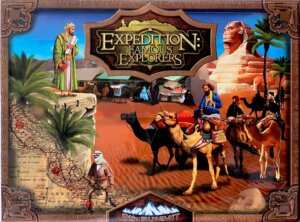
Expedition: Famous Explorers
2013
Chart daring routes and score discoveries across a map of intriguing locations.
90
minutes
Medium Light

View game

Rules made simple, fun made easy!
The Travel theme centers on journeys, exploration of routes, and experiencing diverse destinations across real or fictional worlds. Gameplay typically tasks players with planning itineraries, gathering souvenirs, and moving efficiently across a shared map.
308 results
Travel-themed board games immerse players in the logistics and joys of journeying from one place to another. Rather than focusing purely on conquest or survival, these games celebrate the experience of movement, scenic vistas, and cultural discoveries. Players often step into the shoes of sightseers, backpackers, merchants, or historical explorers charting pathways through unfamiliar territories.
At the table, this theme creates an evocative sense of momentum and geographical progression. Decisions revolve around route efficiency, managing limited resources like time and tickets, and prioritizing which stops provide the most rewarding experiences. The shared journey naturally fosters engaging spatial puzzles and lighthearted competition as players cross paths.
Travel games are an ideal fit for families, casual gaming circles, and players who prefer peaceful discovery and logistics over hostile conflict. The vast majority of these titles sit squarely in the light to medium-weight range, offering approachable rules that still reward smart planning. While heavy, intricate simulations exist, the theme primarily shines for mixed-experience groups looking for welcoming, visually delightful journeys across the table.
2013
Chart daring routes and score discoveries across a map of intriguing locations.
90
minutes
Medium Light
View game
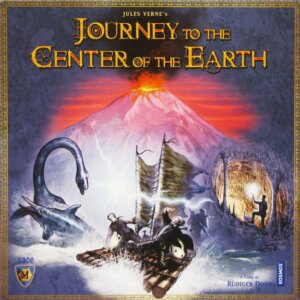
2008
Lead three explorers through a perilous underground journey for fame and treasure.
60
minutes
Medium

View game

2010
Guide Bilbo through perilous Adventures and claim the greatest treasure.
45
minutes
Medium Light
View game

2021
Race across Belgium, visit breweries, manage your drinks, and reach Brussels on time.
150
minutes
Medium
View game

2022
Travel the world, face deadly encounters, and hunt down Dr. Lobo.
120
minutes
Medium
View game

2024
Build a thriving mountain inn through dice placement, guests, staff, and strategy.
120
minutes
Medium Heavy

View game

2025
Journey through Arizona’s wild landscapes and build a reserve of grit and gold.
160
minutes
Medium Heavy
View game

2015
Plan efficient routes, collect passengers, and deliver them before your rivals.
20
minutes
Light

View game

2004
Match cards, race across the caravan route, and finish with the most gold.
45
minutes
Medium Light
View game

2019
Survive the city, manage your refuge, and outlast the night.
150
minutes
Medium Heavy
View game

2022
Work together to track Moriarty through Victorian London before he disappears.
60
minutes
Medium
View game
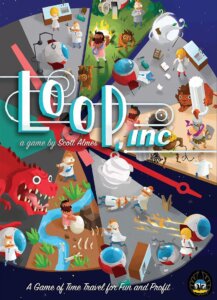
2015
Repeat the day, outsmart your past selves, and profit from time travel.
40
minutes
Medium
View game
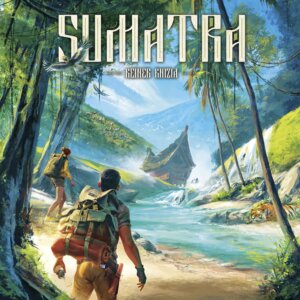
2020
Explore Sumatra, collect information, and build the most valuable travel notebook.
45
minutes
Medium
View game
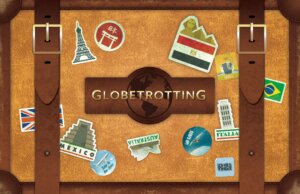
2023
Plan three unforgettable journeys, balance your budget, and chase global goals.
30
minutes
Medium Light
View game
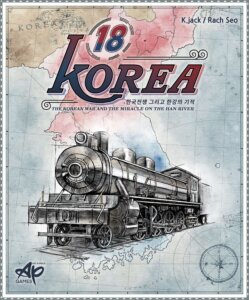
2021
Build railways, trade stocks, and grow your portfolio across the Korean Peninsula.
180
minutes
Medium Heavy
View game

2017
Draft cards, manage your hand, and race across Europe for the most points.
50
minutes
Light
View game
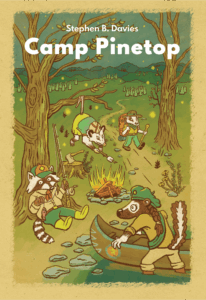
2020
Lead your Scouts through the wilderness and rise to the highest rank.
75
minutes
Medium
View game
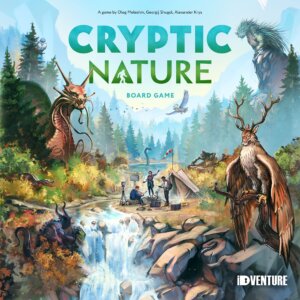
2024
Track down hidden cryptids and create habitats where they can thrive.
90
minutes
Medium
View game
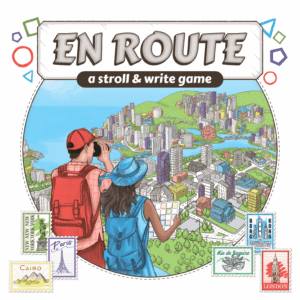
2025
Chart clever sightseeing routes and outscore your rivals across iconic cities.
40
minutes
Medium
View game
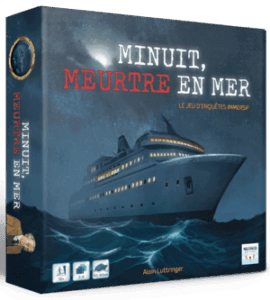
2017
Uncover a shipboard murder among twelve VIP suspects.
90
minutes
Medium
View game

2008
Roll, choose, and race for valuable combinations before the chips run out.
15
minutes
Light
View game

2010
Race to plan the right route across countries before your opponents do.
25
minutes
Medium Light
View game
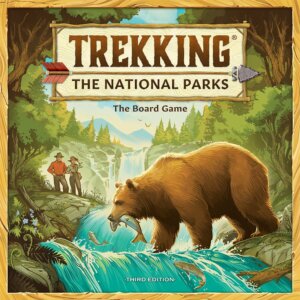
2024
Race across America’s national parks, camping and collecting trail stones.
60
minutes
Medium Light
View game

2023
Bid for materials, build sacred monuments, and earn respect in Kathmandu.
40
minutes
Medium Light
View game

2015
Expand your crew’s horizons with new worlds, dangers, contacts, and opportunities.
Medium
View expansion
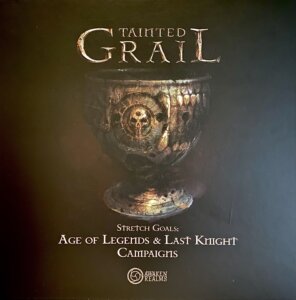
2020
Two epic Avalon campaigns filled with secrets, choices, and lasting consequences.
180
minutes
Medium Heavy
View expansion
2023
Explore a new map, alternative layout, and fresh content for Darwin’s Journey.
120
minutes
Heavy

View expansion
2023
Face unique monster attacks, build combos, and master the Manticore school.
150
minutes
Medium Heavy
View expansion
2023
Track a devastating monster and prepare for a legendary final battle.
150
minutes
Medium
View expansion

2023
200 adventure cards bring new stories, events, quests, and decisions.
150
minutes
Medium
View expansion

2016
Bring traditional Japanese festivals and fresh strategy to the Tokaido journey.
Medium Light
View expansion
2020
Unlock personal memories, legendary actions, and lasting character rewards.
120
minutes
Medium Light
View expansion

2017
Add new misadventures, Alliance alerts, stories, and setup options.
Medium Heavy
View expansion

2023
Sail to new islands, face sea adventures, and awaken the ancient Dagon.
150
minutes
Medium
View expansion

2018
Add launched tigers and swarming bees to the island’s mayhem.
60
minutes
Light
View expansion

2018
Add a seasoned guide, new dangers, and room for a fifth adventurer.
60
minutes
Light
View expansion
Travel-themed board games center on the journey itself, challenging players to navigate networks, plan itineraries, and discover new destinations. Instead of focusing primarily on combat or territorial conquest, gameplay highlights movement logistics, collecting souvenirs, and managing transit resources like tickets or time. Titles in this genre give players the satisfying feeling of progressing across a map while balancing speed against rewarding side trips.
While exploration emphasizes unveiling hidden terrain or facing unknown hazards, travel focuses on moving through known or mapped pathways and optimizing your route. Travel games celebrate sightseeing, visiting landmarks, and managing transit passes rather than surviving wilderness perils. The primary puzzle usually lies in route efficiency and timing rather than uncovering fog-of-war tiles.
Yes, travel board games are among the most accessible genres for newcomers because journeying between destinations is an intuitive concept. In Tokaido, players stroll along Japan’s East Sea Road to sample meals, buy souvenirs, and meet locals at an easygoing pace. Similarly, Ticket to Ride: Europe – 15th Anniversary teaches clear hand-management and route-claiming rules that players of all skill levels can grasp within minutes.
For younger players, look for games with low complexity, short runtimes, and a low minimum age rating. On Tour supports ages 7 and up, playing in about 20 minutes as participants chart a musical tour across a map. Another great choice for kids aged 7 and up is Fireball Island: The Curse of Vul-Kar, which turns island sightseeing and treasure collection into a fast, physical adventure.
Many travel games scale exceptionally well for two players, offering tense spatial races or relaxed tactical strolls. Trails is voted best with 2 players and plays in 20 to 40 minutes as hikers gather badges along a trail. Similarly, 10 Days in Europe and 10 Days in Africa are both rated best at two players, delivering quick, head-to-head itinerary-building puzzles.
Several travel games feature dedicated solo modes that turn route planning into an engaging solitaire challenge. For a relaxing experience, Parks lets a single hiker manage gear and trek through scenic park trails. Players looking for deeper strategic voyages can explore Tainted Grail: The Fall of Avalon or Aeon Trespass: Odyssey, both of which are voted best at a single-player count.
Experienced hobbyists can turn to medium-heavy and heavy games that blend extensive travel logistics with complex engine-building and resource management. In The Voyages of Marco Polo, players balance tight dice placement and heavy travel costs to establish trading posts across Asia. Alternatively, Lewis & Clark: The Expedition challenges players to optimize deck-building and card timing to navigate their expedition along rivers and mountains.
Playtimes vary widely depending on complexity, but most light-to-medium titles last between 20 and 60 minutes. Quick roll-and-write games like On Tour wrap up in roughly 20 minutes, while classic family routes in Ticket to Ride: 10th Anniversary run 30 to 60 minutes. Deeper, epic travel adventures such as Eldritch Horror can take between 120 and 240 minutes.
Always balance the urge to rush forward with the value of intermediate stops that award bonuses, souvenirs, or resources. Keep contingency plans ready, because opponents will inevitably claim popular routes or critical destinations before you arrive. Finally, manage your transit cards or action economy efficiently so you are never stranded waiting for specific draws to keep moving.
A frequent error is overextending your itinerary by collecting too many distant destination goals without the resources to complete them. Relying entirely on drawing a specific card or token to open a pathway can also stall your turn if the card pool turns against you. It is usually wiser to secure high-traffic bottlenecks early and leave flexible alternatives for scenic detours later.
Yes, several titles frame journeying as a team effort where players travel the globe together to solve crises. In Pandemic, players must efficiently fly, drive, and sail across world cities to share research and treat disease outbreaks before time expires. Highly thematic adventure games like Eldritch Horror also task a cooperative group with chartering trains and boats across continents to prevent global cataclysms.
