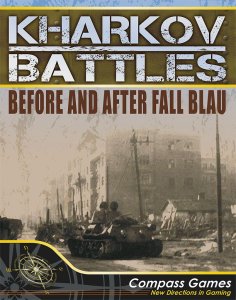
Kharkov Battles: Before & After Fall Blau
2021
A focused Eastern Front system for Kharkov’s decisive battles
4800
minutes
Medium

View game

Rules made simple, fun made easy!
The World War II board game theme centers on the global conflict of 1939 to 1945, challenging players to direct military campaigns, tactical skirmishes, or wartime production. These games emphasize historical simulation, territorial control, and operational strategy across European, Pacific, and North African theaters.
1,174 results
At its core, the World War II theme places players in the boots of battlefield commanders, high-ranking generals, or resistance fighters facing high-stakes operational dilemmas. Rather than abstract maneuvering, every movement on the map reflects real-world military doctrine, supply logistics, and the harsh realities of asymmetrical warfare between Allied and Axis forces.
At the table, this setting creates tense, dramatic confrontations where terrain, unit capabilities, and timing matter immensely. Whether simulating a squad-level breach of a fortified bunker or orchestrating continent-spanning supply lines, games in this space reward deliberate planning, measured risk-taking, and adaptability when battle plans inevitably encounter friction.
This setting strongly appeals to dedicated wargamers, history enthusiasts, and competitive dueling pairs who enjoy head-to-head confrontation. The vast majority of these titles sit firmly in the medium to heavy complexity bracket, requiring patience for detailed rulebooks and methodical play, while light and casual options remain exceptionally rare.
2021
A focused Eastern Front system for Kharkov’s decisive battles
4800
minutes
Medium
View game
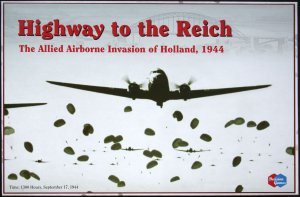
2008
Simulate the largest airborne operation in history across a sprawling Holland campaign.
1440
minutes
Heavy

View game
1996
A massive hex-and-counter campaign across World War II in Europe and North Africa.
1800
minutes
Medium Heavy

View game
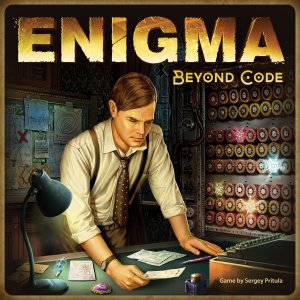
2020
Unmask hidden motives and break the code before chaos overwhelms the mansion.
60
minutes
Medium Light

View game
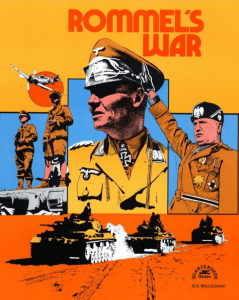
1985
A high-complexity World War II campaign across the North African front
180
minutes
Medium Heavy
View game
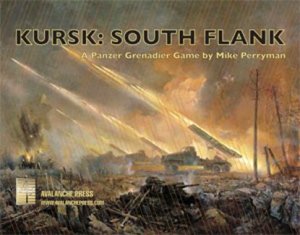
2012
Command massed armor in the decisive struggle for Kursk’s southern flank.
60
minutes
Medium Heavy
View game
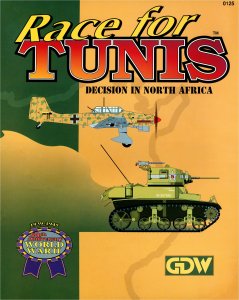
1992
A tense two-player race for Tunis amid the 1942 North African campaign.
120
minutes
Medium
View game
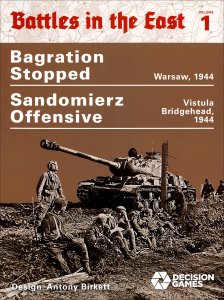
2023
Two 1944 Eastern Front battles of armor thrusts, river crossings, and counterattacks.
240
minutes
Medium
View game
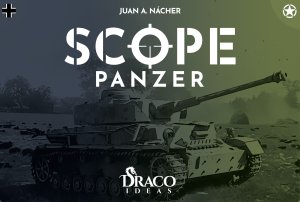
2023
A 15-minute WWII tank battle of ambushes and close-range encounters
15
minutes
Medium
View game
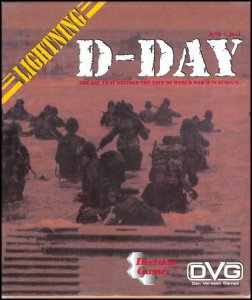
2004
A tense 110-card struggle to secure every D-Day beach before time runs out.
30
minutes
Medium Light
View game
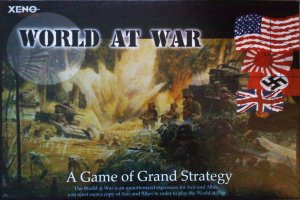
1990
A detailed World War II expansion with new units, technology, and devastation
180
minutes
Medium Heavy
View game
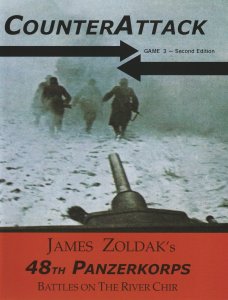
1991
A tense battalion-level simulation of the 1942 battles along the River Chir.
240
minutes
Medium
View game
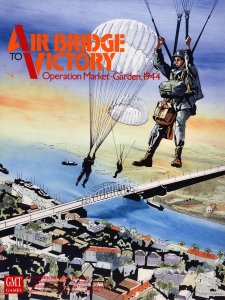
1990
Command airborne and ground forces across a detailed Market-Garden campaign.
240
minutes
Medium Heavy
View game
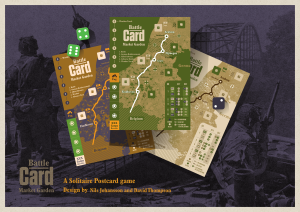
2023
A five-minute solitaire WWII wargame of the race to Arnhem
5
minutes
Light

View game
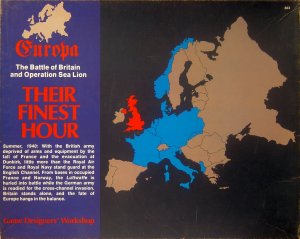
1976
Recreate the Battle of Britain and the planned invasion of Britain.
360
minutes
Heavy
View game
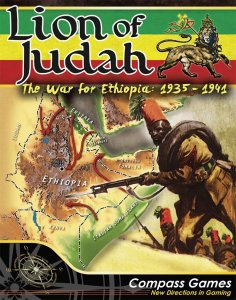
2017
Command campaigns of invasion, resistance, supply, and survival in Ethiopia.
240
minutes
Medium Heavy
View game
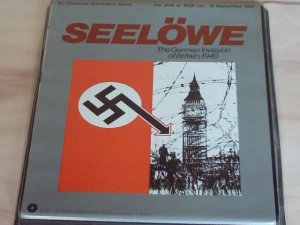
1974
A 180-minute wargame of three possible 1940 invasion plans.
180
minutes
Medium
View game
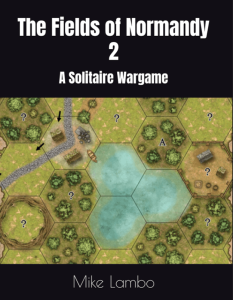
2023
Command a platoon through intense solitaire battles in Normandy, 1944.
75
minutes
Medium
View game
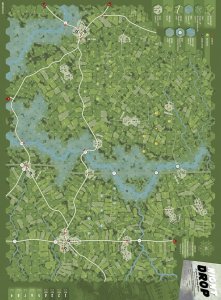
2012
Regroup scattered paratroopers and seize key objectives before German resistance hardens.
180
minutes
Medium
View game
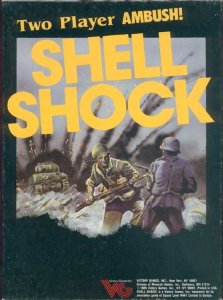
1990
Command a squad through changing World War II missions and battlefield conditions.
360
minutes
Medium Heavy
View game
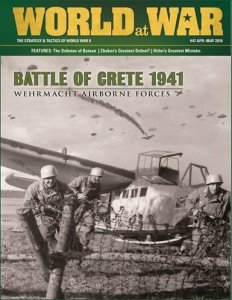
2016
Command the German airborne assault and seize Crete at the lowest cost.
Medium
View game
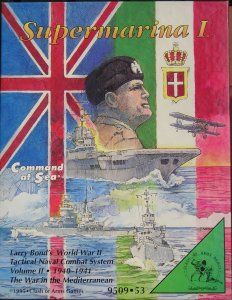
1996
Command naval forces in the Mediterranean during the opening years of World War II.
150
minutes
Heavy
View game
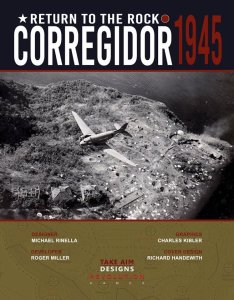
2020
A two-player World War II wargame focused on the invasion of Corregidor.
180
minutes
Medium
View game
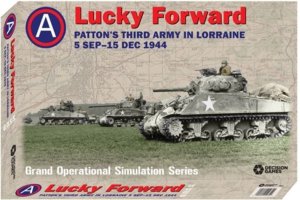
2020
Command Patton’s Third Army through the Fall 1944 Lorraine offensive.
Heavy
View game
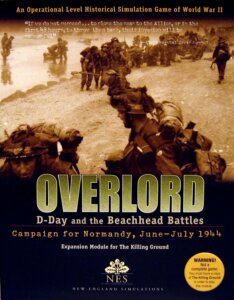
2007
A detailed D-Day and Normandy beachhead campaign in three distinct stages.
2160
minutes
Medium Heavy
View expansion
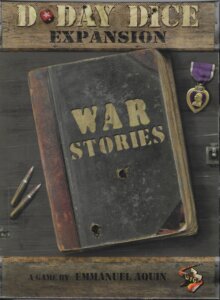
2018
Six modular ways to deepen the Normandy landing experience
45
minutes
View expansion
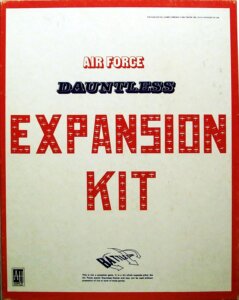
1978
Expand tactical World War II air combat with new aircraft, ships, counters, and rules.
120
minutes
Medium Heavy
View expansion
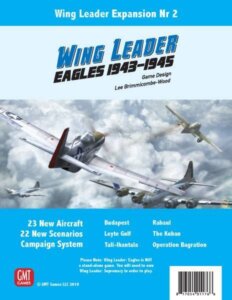
2019
Command late-war air battles with new aircraft, scenarios, and a Rabaul campaign.
180
minutes
Medium Heavy
View expansion
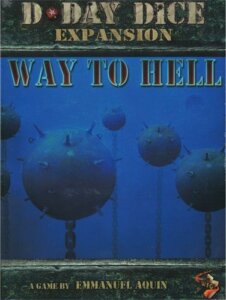
2019
Survive the crossing, reach the beach, and take the fight inland.
45
minutes
View expansion
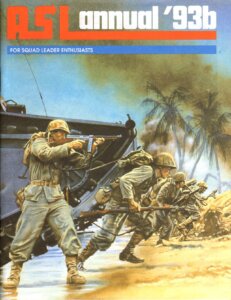
1993
Advanced Squad Leader scenarios and a Gavutu-Tanambogo mini-HASL campaign
Heavy
View expansion
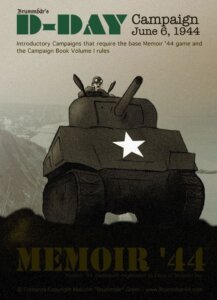
2009
Two D-Day campaigns for Memoir ’44, with a combined Grand Campaign option.
60
minutes
Medium
View expansion
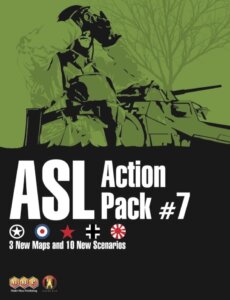
2011
Ten World War II tactical scenarios and three new geomorphic maps for ASL.
180
minutes
Heavy
View expansion
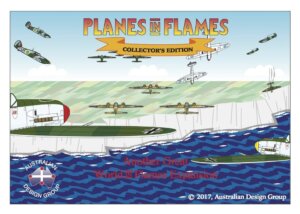
1992
A spectacularly detailed WWII aircraft expansion for World in Flames
240
minutes
Heavy
View expansion
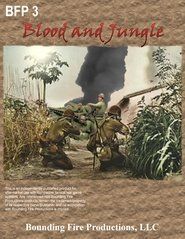
2010
47 Pacific Theater scenarios across jungles, villages, beaches, and more
Medium Heavy
View expansion
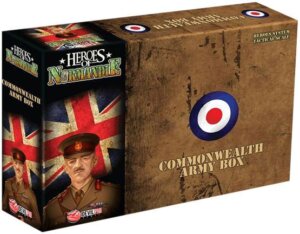
2014
Expand the battle with Commonwealth units, heroes, orders, and new rules.
60
minutes
Medium
View expansion
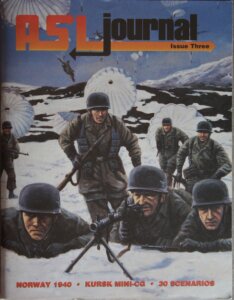
2001
A deep ASL magazine packed with strategy, analysis, and scenarios
180
minutes
Heavy
View expansion
A World War II board game focuses specifically on the global conflict between Allied and Axis forces spanning 1939 to 1945. These games immerse players in real-world military doctrine, simulating operational maneuvers, industrial production, or tactical skirmishes across Europe, the Pacific, and North Africa. Rather than abstract combat, rules reflect authentic historical equipment, terrain modifiers, and logistical constraints.
Yes, but you need to select titles designed with accessible rules and short playing times rather than dense historical simulations. Fast-paced card-driven games like Air, Land, & Sea or bag-building duels like Blitzkrieg!: World War Two in 20 Minutes can be learned in minutes and finish in under 45 minutes. For younger players, family-friendly dexterity games such as Torpedo Run! accommodate ages 8 and up without heavy rules overhead.
Tactical skirmishes and fast regional duels are generally the easiest starting points because they limit your focus to immediate movement and line-of-sight decisions. Accessible titles like The Battle for Hill 218 keep the scope tightly focused on positional card play over 15 to 30 minutes. Grand strategic games, by contrast, demand that players manage full-theater economies and continent-wide frontlines over several hours.
Head-to-head two-player play is the absolute sweet spot for the vast majority of World War II games. Dedicated dueling systems like Air, Land, & Sea: Spies, Lies, & Supplies and aerial combat duels like 303 are designed exclusively for two opponents to recreate the tense friction between opposing commanders. Even large multi-theater games often play best when two players directly manage the Allied and Axis sides.
Yes, many games in this setting accommodate dedicated solo play or include specific solitaire rule sets. For a quick solo session, the light dice-allocation game D-Day Dice Pocket is specifically rated best with a single player and resolves in about 15 minutes. Solitaire play challenges you to overcome tight survival parameters and historical defensive networks without requiring a live opponent.
Game lengths vary dramatically depending on complexity, ranging from 15-minute card games to multi-hour strategic simulations. Entry-level games like Naval War play in roughly 45 minutes, while sprawling heavy conflict games can span 4 to 12 hours. Check the complexity rating before starting to ensure your group has sufficient time for both setup and deliberate tactical play.
Veteran players can dive into massive simulations that demand strict attention to combat charts, supply chains, and tactical realism. Monumental titles like Advanced Squad Leader offer granular squad-level simulation, while Rise and Decline of the Third Reich models grand strategic theater warfare across 240 to 720 minutes. Similarly, Empire of the Sun: The Pacific War 1941-1945 provides deep card-driven operational command for seasoned grognards.
World War II games prioritize historical asymmetry, documented equipment performance, and realistic logistical constraints over fictional unit abilities. Victory conditions often reflect real historical imperatives—such as seizing a specific bridgehead, maintaining supply lines, or denying sea lanes—rather than simple total annihilation. Players must navigate the genuine limitations faced by mid-twentieth-century commanders, from communication friction to ammunition shortages.
The most frequent error is overextending forces without securing rear support and clear supply corridors. Aggressive attacks that ignore defensive terrain or fail to coordinate combined arms frequently leave front-line units cut off and vulnerable to counterattacks. Successful players balance bold pushes with patience, consolidating territory and preparing for inevitable bad dice rolls before committing their main reserves.
Yes, certain titles explore the industrial and scientific arms race that determined the outcome of the war. For an accessible look at wartime production, the card game The Manhattan Project: Chain Reaction tasks 1 to 5 players with building infrastructure, mining uranium, and managing scientist networks in 30 to 40 minutes. These production-oriented games highlight resource logistics rather than troop maneuvering on a battlefield.
