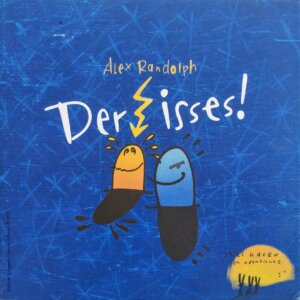
Der Isses!
1998
Secret choices, clever guesses, and seven rounds of token-moving tension.
20
minutes
Light

View game
Rules made simple, fun made easy!
Secret Unit Deployment is a mechanic where players position their pieces on the board without revealing their identity, strength, or exact coordinates to opponents. This introduces a fog of war that forces players to anticipate threats and plan around incomplete information.
551 results
At its core, secret unit deployment replaces open board clarity with uncertainty and psychological tension. Instead of seeing an opponent’s entire army lined up in plain sight, you might face face-down tokens, screens, hidden boards, or dummy counters. You know a presence exists in an area, but you do not know whether it represents an elite squad, a scout, or an empty bluff until an engagement occurs.
This mechanic dramatically changes table dynamics by rewarding reconnaissance and tactical caution over pure math. Games featuring hidden placement simulate operational intelligence, turning initial moves into a cat-and-mouse game where bluffing and positioning matter just as much as raw combat strength.
Elements of the game may favor certain choices or players.
70 gamesPlayers use logic to solve hidden information.
547 gamesPlayer movements are concealed from opponents.
134 gamesPlayers’ scores are not revealed until the end.
150 gamesPlayers must remember hidden or revealed information to gain an advantage.
664 gamesThis mechanism is ideal for players who enjoy mind games, deduction, and high-tension tactical maneuvering rather than pure, open-information puzzles. Titles using secret deployment lean primarily toward medium to medium-heavy complexity, making them especially popular with strategy enthusiasts and wargamers who value thematic tension over absolute predictability.
1998
Secret choices, clever guesses, and seven rounds of token-moving tension.
20
minutes
Light
View game

1999
A tense Manhattan pursuit with roadblocks, tickets, and a helicopter.
45
minutes
Medium Light

View game
2011
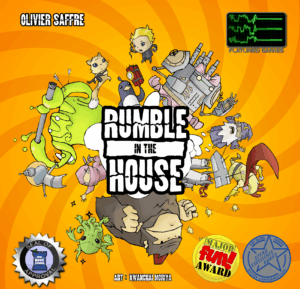
Bluff, deduce, and survive the house's secret character showdown.
20
minutes
Light
View game
2013
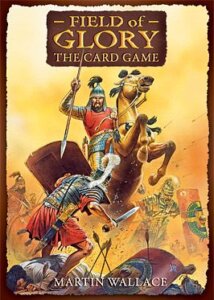
Build your army, outmaneuver your rival, and seize three battlefields.
30
minutes
Medium Light
View game
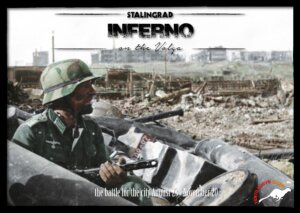
2018
A card-driven clash of wills across the detailed battlefield of Stalingrad.
60
minutes
Medium

View game

1993
Command the Eastern Theater with hidden-strength blocks and detailed battles.
300
minutes
Medium
View game
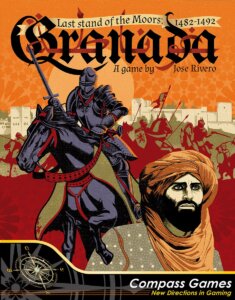
2021
A tense two-player struggle for Granada, shaped by cards, sieges, and betrayal.
240
minutes
Medium
View game
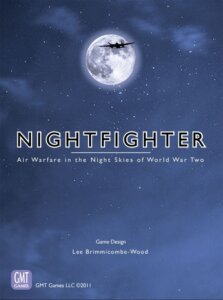
2011
Hunt bombers through the darkness with radar, searchlights, and daring intercepts.
60
minutes
Medium
View game
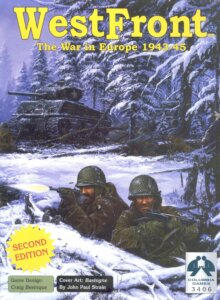
2006
Command the Western Front through shifting supply, weather, and hidden strength.
240
minutes
Medium Heavy

View game

2008
Secretly deploy fantasy forces and capture your opponent’s flag.
30
minutes
Medium Light
View game
2011
Choose the beaches, pressure the Axis, and battle Sicily’s fading morale.
240
minutes
Medium Heavy
View game

2022
Work together to track Moriarty through Victorian London before he disappears.
60
minutes
Medium
View game

2024
Command ancient factions, balance your ranks, and outmaneuver rivals.
45
minutes
Medium
View game
2009
Recruit a party, raid the dungeon, and unleash crypt-born surprises.
120
minutes
Medium
View game
2018
Draft cleverly, conceal your plans, and seize the throne.
45
minutes
Medium
View game

2022
A five-minute masked struggle for Venice’s Doge election.
5
minutes
Medium Light
View game
2017
Tactical sci-fi survival across a derelict spacecraft
120
minutes
Medium Heavy
View game
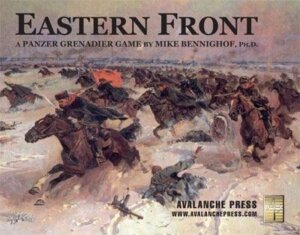
2005
112 scenarios, expanded armies, and revised Panzer Grenadier rules
120
minutes
Medium
View game
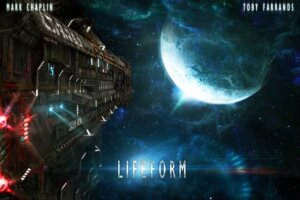
2019
A dice-less survival horror struggle aboard a doomed mining starship.
60
minutes
Medium Heavy
View game

2014
Secret influence, ruthless intrigue, and a dangerous climb to Party power.
90
minutes
Medium
View game
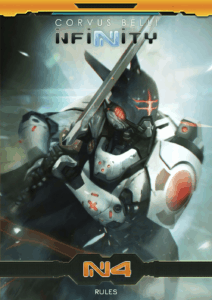
2020
Lead elite troopers through fast, lethal near-future covert operations.
120
minutes
Heavy

View game
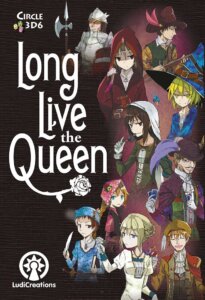
2014
Guide your princess through intrigue, prestige, and a struggle for the throne.
15
minutes
Medium Light
View game
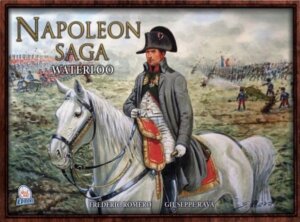
2019
Command the 1815 Belgium campaign through cards, tactics, and deck-building.
90
minutes
Medium
View game
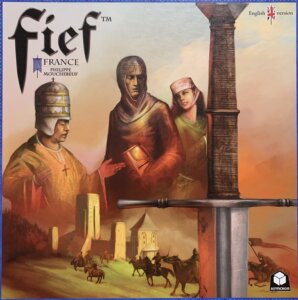
2023
Forge dynasties, command armies, and scheme your way to the crown.
180
minutes
Medium Heavy
View game
2017
A daring Mars data pack where runners target a vital supply hub.
45
minutes
View expansion
2017
Take the cyberstruggle to Mars, where every spark can ignite a larger conflict.
45
minutes
View expansion
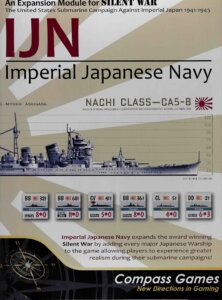
2010
Expand your submarine campaign with Japan’s complete naval forces.
120
minutes
Medium
View expansion
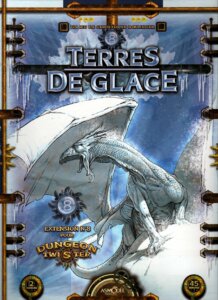
2007
Bring the Ice Age to the maze with eight new characters and six objects.
45
minutes
Medium Heavy
View expansion
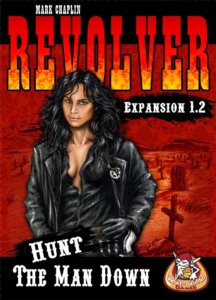
2012
Break into a Texan prison and hunt down your rival.
45
minutes
Medium
View expansion
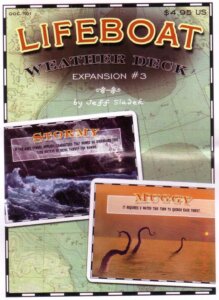
2011
Ten weather cards add tactical depth to survival at sea.
45
minutes
Medium Light
View expansion
2018
A conspiracy-filled data pack featuring new cards, currents, and a virus
45
minutes
View expansion
2015
Burn the shrines and spread Chaos across the Traxis sector.
45
minutes
Medium Heavy
View expansion
1990
A 1990 ASL supplement packed with articles and historical scenarios
120
minutes
Heavy
View expansion
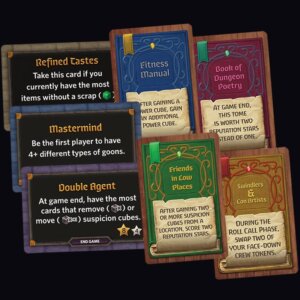
2020
A seven-card mini-expansion adding fresh goals and tome cards to Lockup.
90
minutes
Medium Heavy
View expansion
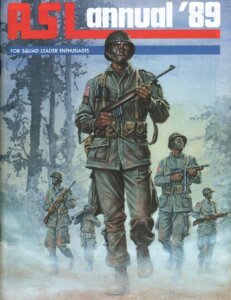
1989
A foundational ASL magazine packed with articles and 15 scenarios.
180
minutes
Heavy
View expansion
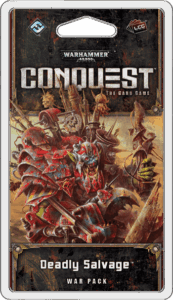
2016
Scavenge the wastelands and battle for control of the Traxis sector.
45
minutes
Medium Heavy
View expansion
Secret unit deployment is a mechanic where players place game pieces on the board while hiding their identity, combat strength, or exact role from opponents. Rather than viewing every opposing force in plain sight, players position units face-down, behind cardboard screens, or as disguised counters. This introduces a tactical fog of war where you must anticipate enemy plans and deduce threats before committing to battle.
While hidden movement conceals the physical path and location of a piece traveling across the board, secret unit deployment conceals the identity, rank, or defensive nature of units stationed in known spaces. In a game like Stratego, both players see exactly where every piece stands, but neither knows which piece is a powerful officer, a scout, or a trap until combat occurs. Secret deployment is about concealing combat strength and tactical posture rather than tracking unseen coordinates.
For players new to the mechanic, accessible titles like Good & Bad Ghosts and Stratego offer straightforward rules with minimal setup friction. Both are two-player games that take 15 to 45 minutes and focus entirely on the fun of bluffing with face-down pieces. Another fast, lightweight option is Rumble in the House, which supports up to six players in quick 20-minute rounds.
Yes, two-player setups are often the most compelling format for secret unit deployment because they create a sharp, direct battle of wits. Two-player games such as Fugitive and Good & Bad Ghosts thrive on psychological reads, deceptive posturing, and deduction. Without third-party interference, every hidden piece you deploy directly challenges your opponent’s risk assessment.
Lighter games using secret deployment work very well for families, especially when they turn hidden information into a playful guessing game rather than a grueling calculation. Titles like Survive The Island and Good & Bad Ghosts have a minimum age rating of 8 and play in 15 to 45 minutes. The excitement of revealing hidden values keeps younger players engaged without overwhelming them with rules.
Experienced players usually look for titles that combine hidden deployment with deep tactical planning, hand management, or operational maneuvering. In the asymmetrical card game Android: Netrunner, the defending player deploys unrevealed defensive programs and agendas to lure their rival into deadly ambushes. For complex historical conflicts, heavy titles like Imperial Struggle and Advanced Squad Leader integrate hidden units into grueling multi-hour campaigns.
Pure secret unit deployment is rare in solo board games because an automated system or bot cannot easily conceal intent or bluff against you without clunky bookkeeping. The mechanic relies fundamentally on psychological tension and imperfect knowledge between live opponents. While some hybrid games include automated solo modes, the core experience is designed for head-to-head or group play.
Game lengths vary significantly based on rules complexity, ranging from 15-minute fillers to multi-hour wargames. Snappy card-driven duels like Fugitive wrap up in 5 to 20 minutes, whereas real-time team games like Captain Sonar take around 45 to 60 minutes. Deep tactical simulations such as Imperial Struggle can require two to four hours of focused play.
The most effective strategy is to mix high-value threats with convincing decoys so your opponent cannot predict your intentions. If you only play aggressively with your strongest pieces, observant rivals will deduce their identity immediately and avoid engagement. Moving lower-value units with apparent confidence forces opponents to burn defensive resources or make cautious mistakes.
The most common issue is making an illegal unit placement behind your screen or in private, which can spoil a match once pieces are revealed later. Another trap is committing too many resources to transparent bluffs, leaving your actual scoring units undefended. Taking time during the private setup phase to double-check layout rules prevents game-breaking mistakes before combat starts.