
Rising Cultures
2025
Lead a civilization to fame through conquest, buildings, and crucial card choices.
45
minutes
Medium

View game

Rules made simple, fun made easy!
The Civilization board game theme puts players in charge of guiding an emerging society through technological, cultural, and territorial growth across generations. Games in this genre focus on expanding borders, advancing through discovery trees, and competing for dominance against rival cultures.
678 results
At its heart, the Civilization theme lets players steer a people from humble beginnings into an enduring empire. Rather than controlling a single character or a fleeting battle, you manage the grand arc of history: researching key discoveries, founding settlements, managing economies, and clashing with neighboring powers over scarce territory.
At the table, this creates a distinct sense of progression and ownership. Every decision ripples across future rounds as your infrastructure compounds, turning early subsistence into sweeping engines of industry or military might, while players constantly pivot to counter the shifting borders and achievements of their rivals.
This theme is best suited for committed strategy enthusiasts and game groups that enjoy immersive, multi-hour sessions with meaningful player interaction. The vast majority of these titles sit firmly in the medium to medium-heavy complexity range, meaning they require comfortable rule fluency and patience, while true lightweight options are exceedingly rare.
2025
Lead a civilization to fame through conquest, buildings, and crucial card choices.
45
minutes
Medium
View game
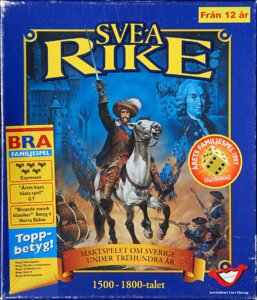
1996
Build noble status across nearly three centuries of Swedish history
120
minutes
Medium
View game
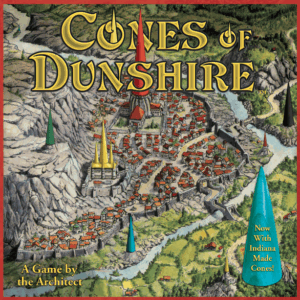
Build a civilization, gather cones, and survive the Challenge Play.
Heavy

View game
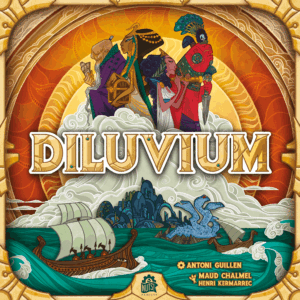
2024
Explore islands, build your civilization, and claim the most gold.
60
minutes
Medium
View game

2001
Divert rivers, build irrigation networks, and rule the wealthiest kingdom.
180
minutes
Medium Heavy

View game
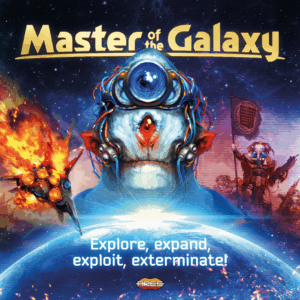
2018
Build your empire, advance your technology, and dominate the galaxy.
120
minutes
Medium
View game
2012
Build a new utopia with Job cards and powers that bend the rules.
30
minutes
Medium Light

View game
2019
Place workers, chain actions, and prove your generosity to become Neta-Tanka.
90
minutes
Medium
View game
2007
Build a flourishing settlement through trade, exploration, and seafaring discovery.
120
minutes
Medium
View game
2014
Build a civilization, command fleets, and rise as the galaxy’s dominant power.
60
minutes
Medium Heavy
View game
2014
Build an Iron Age empire through trade, conquest, innovation, and colonies
30
minutes
Medium
View game
2024
Build a civilization, explore new lands, and outpace your rival.
60
minutes
Medium
View game

2023
Sow energy, shape your columns, and guide a civilization toward its destiny.
60
minutes
Medium
View game

1993
Relive 300 years of diplomacy, expansion, trade, and war
3600
minutes
Heavy
View game
2017
Build a civilization through invention, exploration, conflict, and catastrophe.
50
minutes
Medium
View game
2011
Uncover Burr's plans, arrest him, and build the case before time runs out.
45
minutes
Medium
View game
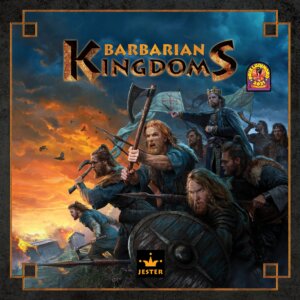
2024
Build a kingdom, outmaneuver rivals, and challenge the Empire's legacy.
90
minutes
Medium
View game
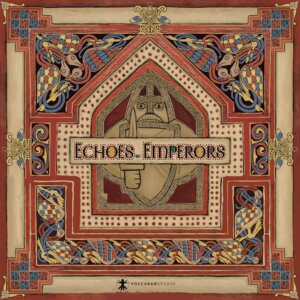
2025
Build your civilization, command your forces, and conquer rival capitals.
90
minutes
Medium
View game
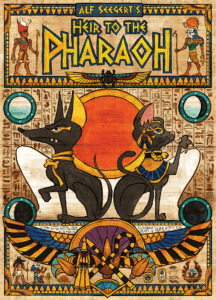
2016
Build monuments, wield animal magic, and claim Egypt’s throne.
60
minutes
Medium
View game
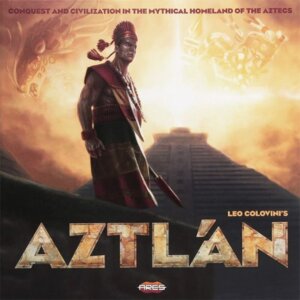
2012
Build an empire, outmaneuver rival tribes, and earn the gods’ favor.
60
minutes
Medium
View game
2023
Explore 220 islands, command competing peoples, and bring home valuable goods.
60
minutes
Medium Heavy
View game
2016
Build a mighty realm in a compact fantasy 4X game with solo play.
45
minutes
Medium
View game
2013
Build a city, command citizens, and compete for control of ancient Latium.
150
minutes
Medium Heavy
View game
2014
Build a vast culture before rival powers and Spain force your empire back.
60
minutes
Medium
View game
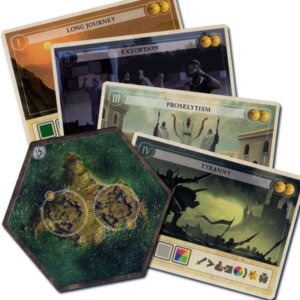
2014
Four promo cards and a bonus island tile with two gold ruins.
90
minutes
Medium Heavy
View expansion
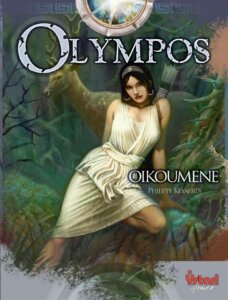
2011
Expand Olympos with fresh discoveries, wonders, and race-to-claim objectives.
90
minutes
Medium
View expansion
2012
Expand 7 Wonders with new boards and abilities across five themed collections
30
minutes
Medium
View expansion
2003
Claw through alien ruins to claim the Planetary Intellect.
120
minutes
Medium Heavy
View expansion
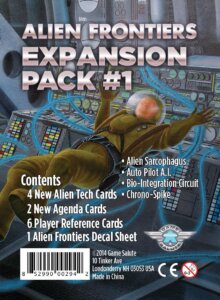
2015
Four alien technologies and essential reference cards for Alien Frontiers
90
minutes
Medium
View expansion

2003
Challenge your foes to a ruthless contest of honor and treachery.
120
minutes
Medium Heavy
View expansion

2021
As factions spread through the solar system, loyalty shifts and conflict erupts.
240
minutes
Heavy
View expansion
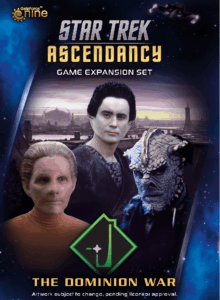
2022
Bring the Dominion and the Gamma Quadrant into Star Trek: Ascendancy.
Medium Heavy
View expansion
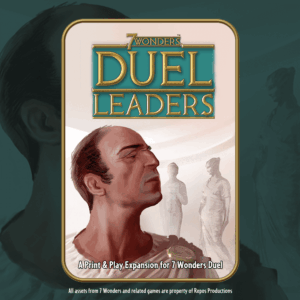
2019
Bring iconic leaders and new wonders to your two-player Duel.
30
minutes
Medium
View expansion
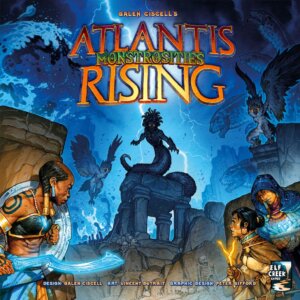
2023
Face monstrous threats and turn unexpected powers toward Atlantis’s survival.
120
minutes
Medium
View expansion
2017
Evolve your colony, command major workers, and unleash predators.
90
minutes
Medium Heavy
View expansion
2010
Add a new round, fresh civilizations, landscapes, buildings, and sea tiles.
Medium
View expansion
The Civilization theme puts players in command of an emerging society evolving across historical eras or futuristic ages. Rather than managing a single character, you guide a collective people through technological research, economic development, territorial expansion, and cultural or military rivalry. The experience centers on a sweeping arc of growth where humble early settlements gradually transform into powerful empires.
While war games focus almost entirely on tactical combat and troop movements, Civilization games emphasize the full spectrum of societal development. Warfare is usually just one of several interconnected paths alongside technology trees, wonder construction, and economic management. In titles like Through the Ages: A New Story of Civilization, military readiness matters, but neglecting culture, science, or resource production will cost you the game.
Most grand Civilization games are complex and lengthy, but lighter gateway titles make the theme approachable for newer players. Accessible options distill empire-building into simpler mechanics like dice rolling or card drafting without overwhelming rulebooks. For a family-friendly entry point, Roll Through the Ages: The Bronze Age accommodates ages 8 and up and plays in 30 to 45 minutes.
Newcomers should look for Medium Light titles that capture the feel of development without heavy bookkeeping. Quick drafting games like Tides of Time deliver the sensation of building a historic culture in just 20 minutes for two players. Alternatively, Imperial Settlers: Roll & Write offers satisfying engine development in an easy-to-learn, 30-minute package.
Playtimes vary widely depending on complexity, ranging from brisk 30-minute games to full-day commitments. Card-driven or dice-based iterations can finish in 30 to 60 minutes, while medium-heavy strategic epics usually take around two hours. Massive empire simulations such as Twilight Imperium: Fourth Edition demand anywhere from 240 to 480 minutes of dedicated table time.
Yes, many Civilization titles offer exceptional two-player experiences, including games built specifically for a head-to-head duel. 7 Wonders Duel is tailored strictly for 2 players, delivering tight scientific and military tension in about 30 minutes. Other medium titles like Race for the Galaxy are also widely voted as best at the two-player count.
Several modern titles in this theme feature dedicated solo modes that challenge you to reach scoring thresholds or outpace an automated rival. For example, Terraforming Mars includes an official solo variant where you race to complete planetary projects within a set number of generations. Similarly, Gaia Project incorporates a sophisticated automated opponent designed specifically for solitary play.
Heavy strategy enthusiasts should gravitate toward titles with multi-branched technology systems, asymmetric factions, and tight economic logistics. Highly regarded heavyweights like Terra Mystica and Through the Ages: A New Story of Civilization provide immense depth with minimal luck. Space-themed civilization epics such as Eclipse: New Dawn for the Galaxy combine deep research trees with large-scale fleet management.
Focus on establishing a robust economic foundation during the earliest rounds before heavily investing in late-game scoring. Securing raw production and card draw early ensures you have the necessary tempo to adapt as your rivals expand their borders. Even if pursuing a peaceful or scientific route, always maintain enough defense to deter opportunistic attacks from aggressive neighbors.
A frequent error is over-specializing in end-game victory points too early, which leaves your society resource-starved in the middle eras. Another common pitfall is tunnel vision, where you ignore your neighbors’ military build-up or territorial progress until it is too late to defend yourself. Balancing steady internal economic growth with active awareness of the board state is essential for lasting success.
