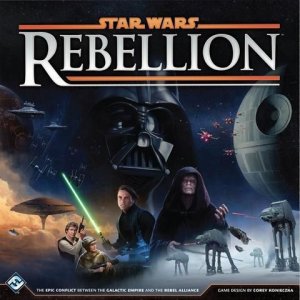
Star Wars: Rebellion
2016
Command an empire or ignite a galaxy-wide revolt
240
minutes
Medium Heavy

View game

Rules made simple, fun made easy!
Worker Placement with Different Worker Types is a game mechanic where players assign pawns to action spaces, but the specific pawns used possess unique strengths, restrictions, or special abilities. This means an action's outcome depends not just on where you go, but on who you send.
262 results
In standard worker placement, every pawn in your supply functions identically. Adding different worker types breaks that uniformity by introducing specialized figures such as laborers, scholars, nobles, or commanders. One type might double the resources gathered, another might enter spaces that are already blocked, and a third might be required to build advanced structures.
At the table, this mechanic shifts the puzzle from simply claiming open board spaces to carefully sequencing your labor pool. Players must constantly weigh opportunity costs, managing not only which actions to deny opponents, but also preserving their most powerful or specialized figures for the exact moments they yield the highest return.
This mechanic is ideal for strategy enthusiasts who enjoy deeply tactical planning and layered optimization. Because managing distinct worker powers alongside spatial board pressure introduces substantial cognitive load, titles using this system lean heavily toward medium and medium-heavy complexity. Casual groups and newcomers might find the array of situational exceptions overwhelming, but hobbyists looking for a meaty, crunchy puzzle will appreciate the extra depth.
2016
Command an empire or ignite a galaxy-wide revolt
240
minutes
Medium Heavy
View game
2014
Build your following, expand your reach, and pursue victory your way.
90
minutes
Medium Heavy
View game
2023
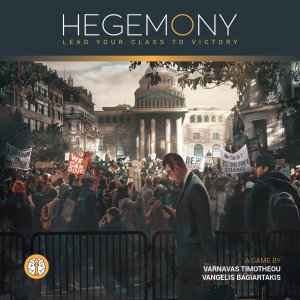
Shape society, battle for influence, and lead your class to victory.
180
minutes
Heavy

View game
2015
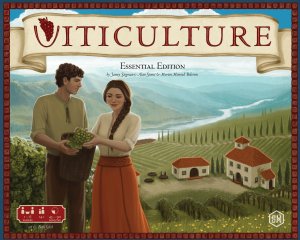
Build a Tuscan winery through seasonal worker placement and clever planning.
90
minutes
Medium

View game

2017
Send workers through time to rebuild a fractured world before disaster strikes.
120
minutes
Medium Heavy
View game
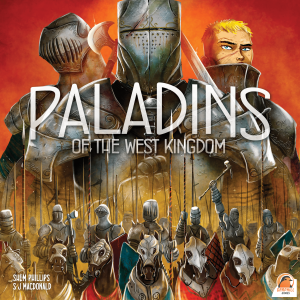
2019
Gather workers, enlist paladins, and defend West Francia for victory points.
120
minutes
Medium Heavy
View game
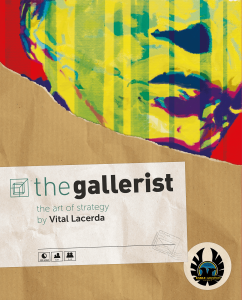
2015
Run a gallery, shape artistic trends, and build a world-class reputation.
150
minutes
Heavy
View game

2023
Explore the Galápagos and advance workers through scientific disciplines.
120
minutes
Medium Heavy
View game

2025
Build luxury starships, expand your network, and compete to become CEO.
150
minutes
Medium Heavy
View game

2015
Build astonishing tricks, outwit rivals, and become the most famous illusionist.
180
minutes
Heavy
View game
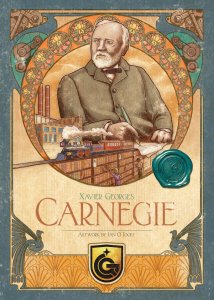
2022
Build an industrial empire through business, connections, and philanthropy.
120
minutes
Medium Heavy
View game
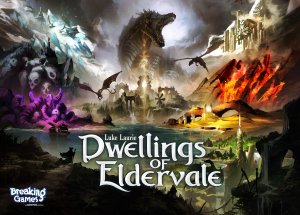
2020
Battle, build, and claim elemental dominance in a magical lost world.
150
minutes
Medium Heavy
View game

2012
Bid, build, and optimize a medieval village across four changing seasons.
120
minutes
Medium Heavy
View game
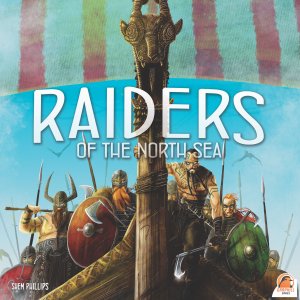
2015
Gather your crew, stock provisions, and raid for glory in the Viking Age.
80
minutes
Medium
View game
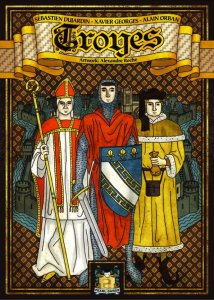
2010
Manage dice, influence city life, and recreate four centuries of history.
90
minutes
Medium Heavy
View game
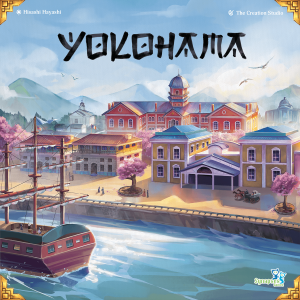
2016
Build your business and earn fame in Meiji-era Yokohama.
90
minutes
Medium Heavy
View game

2024
Build a new civilization beyond the oppressive reach of the Lords of Unity.
160
minutes
Medium Heavy
View game
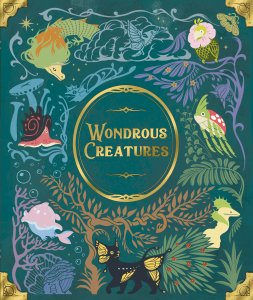
2024
Build a harmonious creature reserve through clever placement and powerful combos.
80
minutes
Medium Heavy
View game
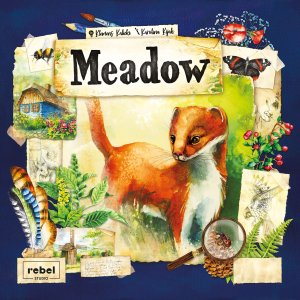
2021
Observe nature, collect discoveries, and build the most valuable meadow.
90
minutes
Medium
View game

2019
Command apprentices, master illusions, and outshine rival magicians.
180
minutes
Heavy
View game
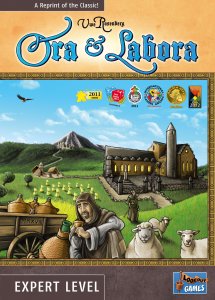
2011
Build a thriving medieval monastery through clever planning and production.
180
minutes
Medium Heavy
View game
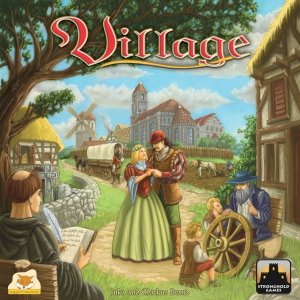
2011
Guide a family through ambition, hardship, and the passage of time.
90
minutes
Medium Heavy
View game

2020
Build industry, trade across worlds, and satisfy a growing population.
120
minutes
Medium Heavy
View game
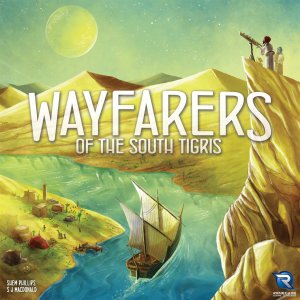
2022
Chart land, waterways, and skies in the Abbasid Caliphate.
90
minutes
Medium Heavy
View game
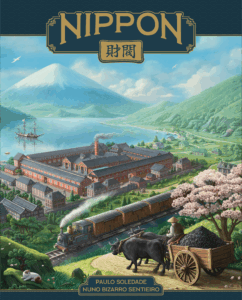
2026
Build an industrial empire and seize influence across modernizing Japan.
120
minutes
Medium Heavy
View game

2024
Build a lunar base, fund corporate projects, and chase the highest score.
120
minutes
Medium Heavy
View game
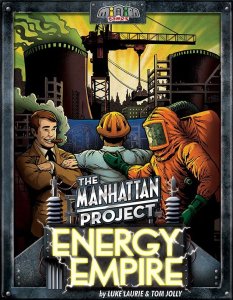
2016
Build a modern nation while balancing industry, energy, and pollution.
120
minutes
Medium Heavy
View game
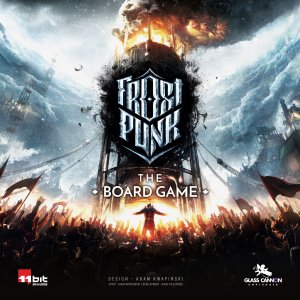
2022
Lead survivors through a brutal ice age and shape the future of their colony.
150
minutes
Heavy
View game
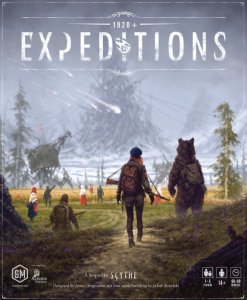
2023
Explore Siberia, build your engine, and confront an ancient corruption.
90
minutes
Medium Heavy
View game
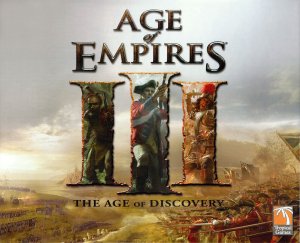
2007
Lead a colonial power through exploration, expansion, trade, and conflict.
120
minutes
Medium Heavy
View game
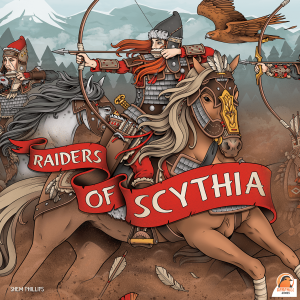
2020
Lead fierce horse riders, raid settlements, and claim glory across Scythia.
80
minutes
Medium
View game
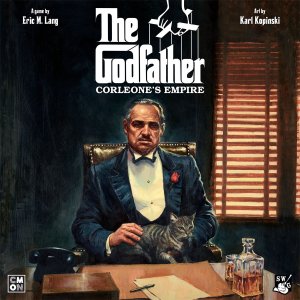
2017
Deploy your family, seize rackets, and turn New York's underworld into cash.
90
minutes
Medium
View game
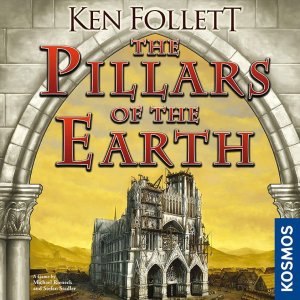
2006
Build a cathedral, balance gold and victory points, and outmaneuver rival builders.
120
minutes
Medium
View game

2025
Craft masterpieces, court patrons, and build your legacy in classical music.
150
minutes
Medium Heavy
View game
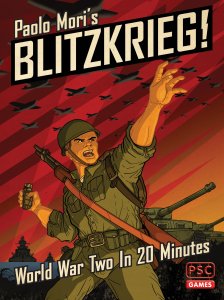
2019
A fast, accessible World War Two strategy game for two—or solo play.
45
minutes
Medium Light

View game
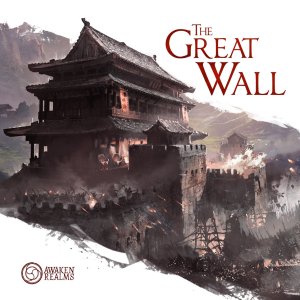
2021
Defend the wall, build your engine, and earn Honor under siege
180
minutes
Medium Heavy
View game
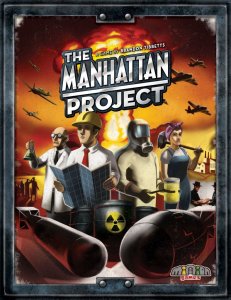
2012
Build the world's most effective atomic weapons program
120
minutes
Medium
View game
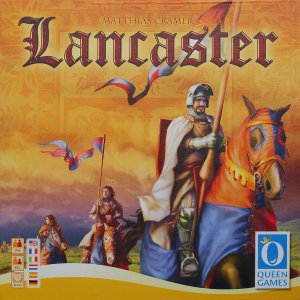
2011
Deploy knights, shape Parliament, and rise as Henry V's most powerful ally.
60
minutes
Medium
View game

2016
Draft tiles, shape your city, and outscore rival metropolises.
60
minutes
Medium
View game
2015
Outwit rivals in a secretive contest for magical influence.
150
minutes
Medium Heavy
View game
2019
Race the rising waters to build a cosmic gate and save Atlantis.
120
minutes
Medium
View game
2022
Build a macabre legacy through three generations of scientific ambition
180
minutes
Medium Heavy
View game

2022
Build alliances, shape laws, and earn prestige across five years.
120
minutes
Medium Heavy
View game
2019
Explore a new island, build settlements, and sail toward victory.
120
minutes
Heavy
View game
2025
Secretly deploy your chefs, gather ingredients, and outcook the competition.
60
minutes
Medium
View game
2011
Place workers, build districts, and compete for influence in Belfort.
120
minutes
Medium Heavy
View game

2023
A deluxe 1–4 player edition with Fireland and exclusive extras
120
minutes
Medium Heavy
View game

2019
Build a living companion in a gothic race against science, decay, and time.
180
minutes
Medium Heavy
View game

2020
Master new crafts and bring golden detail to the city.
80
minutes
Medium
View expansion
2012
Expand your game with new characters, activities, events, and a family die.
90
minutes
Medium Heavy
View expansion
2022
Explore aquatic habitats, kayak downstream, and discover new wildlife.
90
minutes
Medium
View expansion
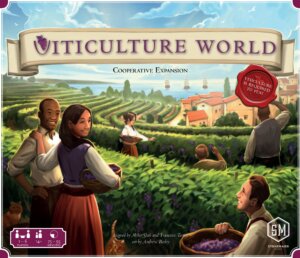
2022
Work together across asymmetric regions to earn global recognition
120
minutes
Medium Heavy
View expansion

2021
Negotiate with noble allies and rally support to defend the city.
120
minutes
Heavy
View expansion
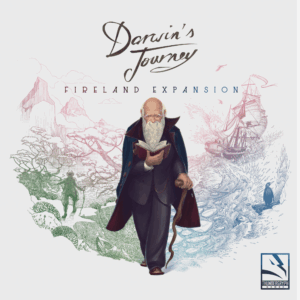
2023
Explore a new map, alternative layout, and fresh content for Darwin’s Journey.
120
minutes
Heavy
View expansion
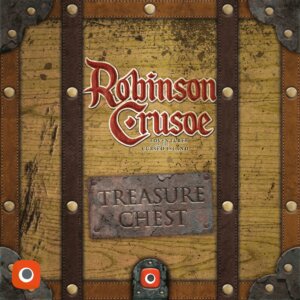
2020
A huge collection of promos, new content, and four additional scenarios
120
minutes
Medium Heavy
View expansion
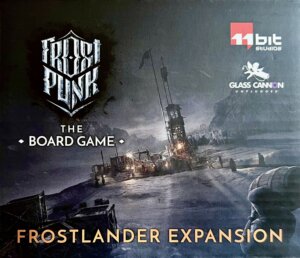
2022
More cards, the hardest difficulty, and 32 wooden pawns for greater replayability.
150
minutes
Medium Heavy
View expansion

2024
Meet Derbyshire’s most unusual personalities and manage your estate with new actions.
180
minutes
Medium Heavy
View expansion
2024
Prepare for powerful Beasts that can dramatically reshape the game.
80
minutes
Medium Heavy
View expansion
2020
Expand your Anachrony experience with three modules and six Guardian Exosuits.
120
minutes
Heavy
View expansion

2021
Kickstarter stretch-goal content with four expansions and an early-bird extra
180
minutes
Heavy
View expansion
2024
Combine unique Crew abilities with your Captain for fresh strategies.
80
minutes
Medium
View expansion

2021
Fortify the wall with deadly machines, elite troops, and new tactics.
180
minutes
Heavy
View expansion

2021
Add versatile Yellow Workers and valuable discounts to your cause.
120
minutes
Medium Heavy
View expansion
2024
New powers, objectives, cards, and a solo campaign expand every expedition.
80
minutes
Medium
View expansion

2024
Expand your industrial empire with innovations, airships, patents, and new strategies.
120
minutes
Medium Heavy
View expansion
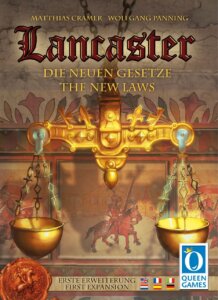
2011
Add 18 votable laws to your Lancaster games
60
minutes
Medium
View expansion
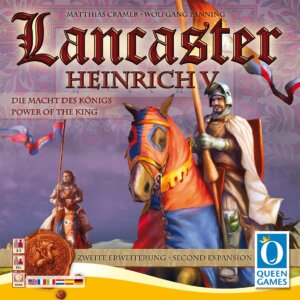
2012
Claim royal offices, gather power, and endure Henry V’s resentment.
60
minutes
Medium Heavy
View expansion

2026
Explore Oceania, discover rare specimens, and balance hazards against rewards.
120
minutes
Heavy
View expansion
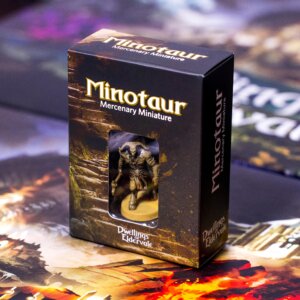
2020
Add a powerful mercenary who can charge into adjacent Realms.
150
minutes
Medium
View expansion
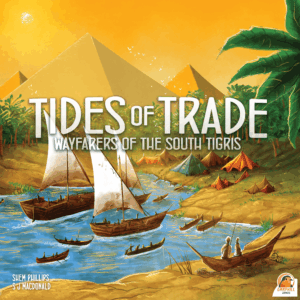
2025
Expand your trade with upgraded workers, new traders, and red-guild influence.
90
minutes
Medium Heavy
View expansion
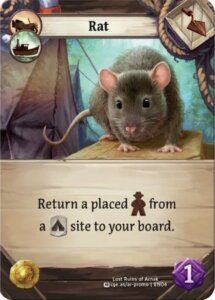
2024
A focused promo card with a worker-return action
Medium
View expansion

2026
A harsh winter reshapes worker placement with blizzards, auroras, and Spirits.
90
minutes
Medium Heavy
View expansion
2021
Harness mythical beasts, new tactics, relics, and challenging game modes.
180
minutes
Medium Heavy
View expansion
2023
Unlock Darwin’s special worker for one powerful turn
120
minutes
Medium
View expansion

2022
Expand the atomic age with modular Cold War strategy and solo play.
120
minutes
Medium Heavy
View expansion

2023
Recruit three elite Enforcers and strengthen your Chicago crime empire.
150
minutes
Medium Heavy
View expansion
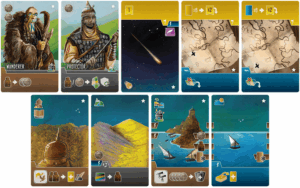
2022
Nine Kickstarter promo cards with fresh ways to gain resources and points
90
minutes
Medium Heavy
View expansion
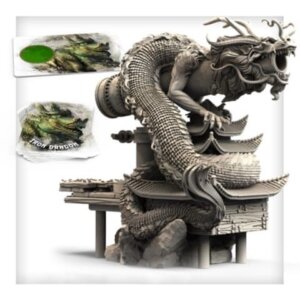
2021
A risky cannon, powerful shots, and dangerous choices at the Wall.
180
minutes
Medium Heavy
View expansion

2023
Redeem special ships and horses through objective-driven action advances.
120
minutes
Medium Heavy
View expansion
2024
Unlock crystal magic and claim your place on the magical throne.
120
minutes
Medium Heavy
View expansion
2023
Face monstrous threats and turn unexpected powers toward Atlantis’s survival.
120
minutes
Medium
View expansion
2023
Protect your aquatic adventure and discover a hidden mini-expansion.
90
minutes
View expansion

2022
A 2022 promo card featuring a seal, worth 2 points
Medium
View expansion
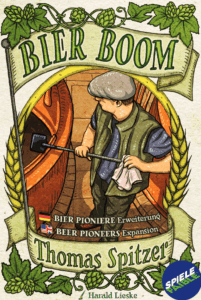
2024
Five flexible modules and a solo challenge for expanding your beer strategy.
90
minutes
Medium Heavy
View expansion
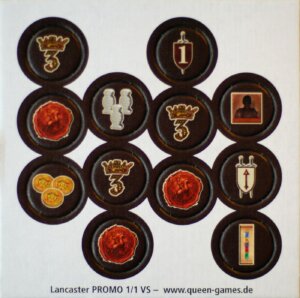
2012
Fresh reward choices that change which county matters each round.
60
minutes
Medium Heavy
View expansion
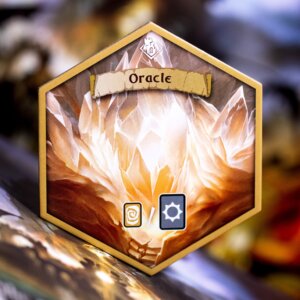
2020
A Ruin realm tile that expands Adventure cards and Magic gains.
200
minutes
View expansion
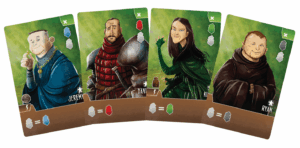
2020
Four townsfolk cards that give Labourers specialized uses.
120
minutes
Medium Heavy
View expansion
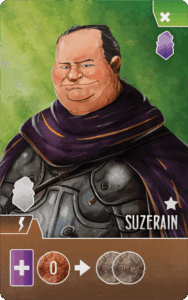
2021
A special promo featuring a familiar face and a silver-gaining effect.
120
minutes
Medium
View expansion
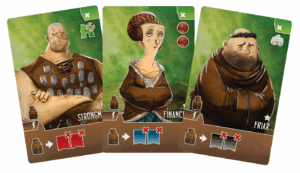
2021
Three promo Townsfolk let you bypass attribute requirements with Provisions.
120
minutes
Medium Heavy
View expansion
Bring elemental monsters and monster sounds to your Eldervale adventure.
150
minutes
Medium Heavy
View expansion
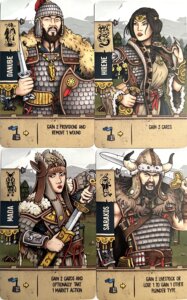
2023
Four new Heroes bring fresh card, livestock, plunder, and wound options.
80
minutes
View expansion
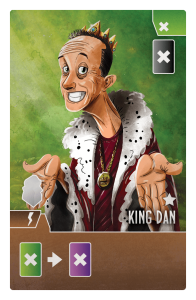
2020
Add King Dan to turn every dismissed Townsfolk Card into less Suspicion.
120
minutes
Medium Heavy
View expansion
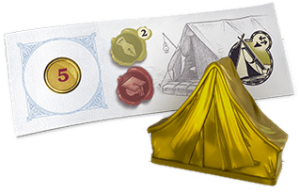
2025
A shifting golden tent that brings a bonus to changing spaces
120
minutes
Medium Heavy
View expansion
2024
Explore a new dinosaur-rich continent with fossils, focus goals, and bone beds.
100
minutes
Medium
View expansion

2024
Expand your Arctic adventure with myths, legends, and new expedition challenges.
90
minutes
Medium Heavy
View expansion

2023
Expand your paleontological investigations with new specimens, objectives, and achievements.
120
minutes
Medium
View expansion
In this mechanic, players assign pawns to action spaces where individual figures possess unique abilities, action strengths, or placement restrictions. Instead of every worker behaving identically, an action’s result depends directly on which specialist you send. For instance, a pawn might generate bonus resources, unlock access to restricted spaces, or cost less upkeep at the end of a round.
Standard worker placement provides all players with identical pawns that trigger the exact same baseline actions. Adding diverse worker types introduces asymmetric capabilities directly into your labor pool, changing how figures interact with board locations. In Viticulture Essential Edition, for example, ordinary workers can only visit unoccupied spaces, whereas a specialized Grande worker can be placed even if a space is already fully blocked.
Most games featuring specialized workers lean toward medium or heavy complexity, but there are accessible entry points for families and casual groups. For players as young as 8 years old, Pearladöra offers a quick 20 to 30 minute play time with straightforward worker roles. Another family-friendly option is Flyin’ Goblin, which accommodates 2 to 4 players ages 8 and up in fast-paced 30-minute rounds.
If you want to explore specialized workers without heavy rules overhead, Medium Light games provide a welcoming balance. Lions of Lydia plays in 30 to 60 minutes for 2 to 4 players and lets you manage distinct merchant roles. Alternatively, A Fistful of Meeples resolves in about 30 minutes, assigning unique wild west abilities to different colored meeples as they move through town.
Yes, specialized workers can create exceptionally tight and competitive two-player duels. Blitzkrieg!: World War Two in 20 Minutes is built specifically for 1 to 2 players (rated best at 2) and plays in just 20 to 45 minutes using specialized military units. For a longer, epic duel, Star Wars: Rebellion plays best at 2 players over 180 to 240 minutes, relying on iconic character figures tailored for specific military and espionage missions.
Yes, many games featuring varied worker types offer dedicated solo rules or are designed entirely for single-player gaming. Star Trek: The Dice Game is built exclusively for 1 player and runs 45 to 90 minutes. For an intense and challenging solo puzzle, Frostpunk: The Board Game is community-rated best at 1 player, demanding precise assignment of workers, engineers, and children to survive extreme cold.
Experienced hobbyists who want layered, brain-burning efficiency puzzles have outstanding heavyweight options. In Trickerion: Legends of Illusion, players assign magicians, specialists, and apprentices who each wield different action point values. Other deeply strategic choices include The Gallerist and Hegemony: Lead Your Class to Victory, which run up to 150 to 180 minutes and feature intricate, role-specific worker interactions.
The most common mistake is wasting a high-impact specialist on a generic board space simply to grab an early resource or block an opponent. Burning a unique figure’s strength on an ordinary action forfeits their special bonus for the rest of that round. Strong play requires sequencing your turns so routine pawns handle basic chores while your specialist figures are reserved for maximum-efficiency spaces.
Games typically distinguish workers by modifying their action values, placement permissions, or resource output. Some designs use numerical tiers where senior figures generate more action points or grant discounts on purchases. Other designs assign distinct thematic professions, requiring a figure to match specific skill criteria or colors before entering advanced action spaces.
Analysis paralysis increases because the player’s core decision shifts from one dimension to two: you must determine not only where to go, but also which specific figure to commit. Committing a specialist early might expose a vulnerable flank or lock you out of a vital late-round move. This extra layer of opportunity cost and sequencing multiplies turn calculations, especially on crowded boards.
Play times vary widely depending on the overall complexity, spanning from 20 minutes to several hours. Fast-playing introductory titles like Pearladöra finish in 20 to 30 minutes. Meanwhile, heavy strategy games such as Cooper Island or Star Wars: Rebellion require between 60 and 240 minutes due to their deep tactical planning.
© Board Game Rules - All rights reserved · Privacy Policy